Political Uncertainty Deters Tourism and Labor on Koh Chang
While a recent ceasefire agreement has been reached between the governments of Thailand and Cambodia, it has not yet succeeded in restoring the confidence of tourism-related businesses on the popular island of Koh Chang. According to a local hotel operator, the lingering political instability and persistent uncertainty on both sides of the border are the primary causes of this continued apprehension. This state of tension has had immediate and severe consequences for the local economy. A crucial and sudden labor shortage has emerged, as a large number of Cambodian workers, who are vital to the island’s service and construction industries, have returned to their home country. This has left many businesses struggling to find suitable replacements, severely impacting their operational capacity and ability to provide services, which only adds to the prevailing sense of anxiety and economic strain within the community.
The Economic Fallout and Tourist Perception of Safety
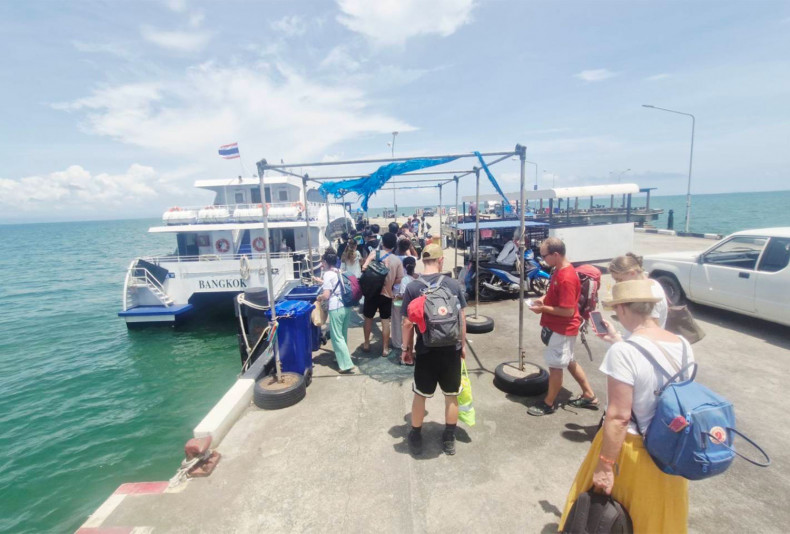
The atmosphere on Koh Chang is currently described as profoundly quiet, with numerous guests and tour groups opting to cancel or postpone their bookings. The manager of a local resort reported a devastating nearly 90 percent drop in new reservations, with large seminar groups, which are a major source of revenue, being the hardest hit by the cancellations. Compounding this issue is the enduring perception among many potential tourists that Trat province, where the island is located, is an unsafe destination due to the border tensions. This perception has persisted despite the tireless efforts of local operators to communicate through various channels that travel to the island remains secure and that the conflict is far from the tourist areas. The widespread cancellations and pervasive fear are creating a serious and immediate economic crisis for the businesses that rely on a steady flow of visitors.
Businesses Appeal to Government for Urgent Financial Relief
In response to the severe economic downturn, tourism business owners on the island are now making an urgent and united appeal to the government for immediate financial relief. They are hoping for swift and substantial assistance measures, such as reductions in interest rates on existing loans, the implementation of debt moratoriums, or a generous extension of loan repayment terms. These measures are seen as critical lifelines that would allow them to better manage their ongoing bank loans and operational expenses during this difficult period. Operators are expressing a palpable fear that if the situation continues to deter visitors through the crucial year-end high season, a period when they generate the majority of their revenue, the economic consequences for the island will be even more severe and potentially catastrophic, leading to widespread closures and job losses that could cripple the local economy for years to come.