Indonesia Secures a Landmark 0% Copper Tariff from the US
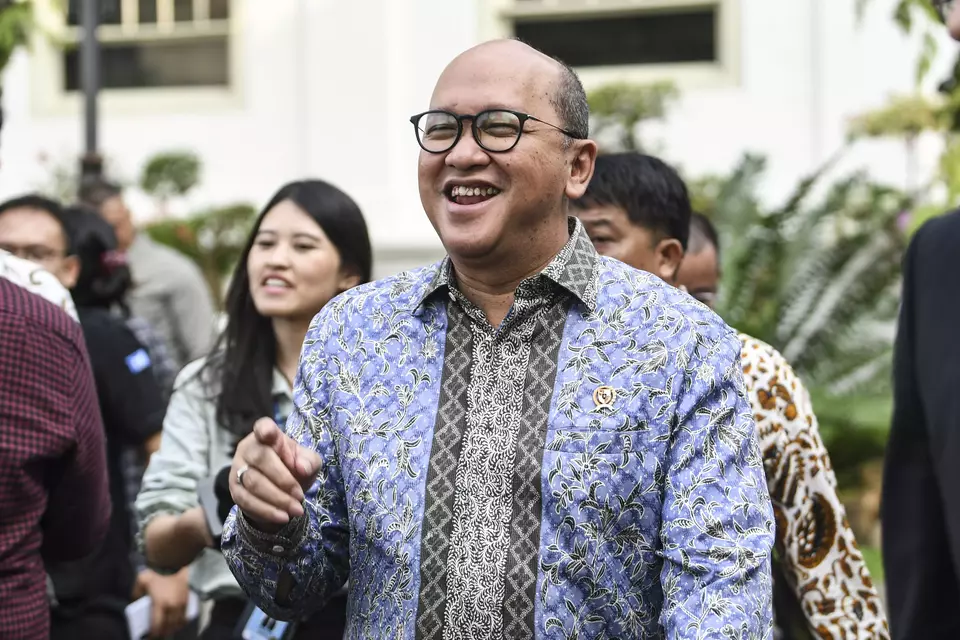
Based on the announcement from Investment Minister Rosan Roeslani, the United States will apply a zero-percent tariff on copper exported from Indonesia, a significant victory in the ongoing trade negotiations between the two nations. This positive development comes as the two countries’ new 19% reciprocal tariffs were set to take effect, highlighting that targeted negotiations can yield favorable results even amidst broader trade tensions and protectionist measures. The minister’s statement confirms that Indonesia has successfully secured duty-free status for a key commodity that the US does not produce domestically in sufficient quantities to meet its own needs. This strategic move is part of a larger plan to ensure that Indonesian commodities can continue to access crucial international markets without being burdened by punitive import taxes, thereby protecting a vital export sector and reinforcing its position as a global supplier of key industrial resources.
Strategic Trade-Offs and a Look to the Future
The zero-percent tariff on copper is a significant outcome for Indonesia, especially since it was achieved during a period of trade tension following the US’s initial threat of a 32% tariff on Indonesian goods. As part of a recent trade deal, the White House published a joint statement indicating that Indonesia would remove export restrictions on critical minerals. However, Coordinating Minister for Economic Affairs Airlangga Hartarto clarified that this would not mean lifting the ban on unprocessed copper ore. Instead, Indonesia will export only copper that has been refined domestically, leveraging facilities like the Freeport Indonesia smelter in Gresik, which has an annual copper cathode production target of 441,000 tons. This strategic focus on added-value exports is a key part of Indonesia’s long-term economic plan to move up the global value chain and create more wealth from its natural resources.
A Deeper Look at the Numbers Behind the Policy
The new tariff policy reflects the US’s reliance on imported refined copper, despite having vast domestic reserves. While Indonesia has half the copper reserves of the US (21 million metric tons compared to 42 million), both countries mined a similar amount of copper in 2024, at around 1.1 million metric tons each. However, the critical difference lies in refining capacity. The US’s domestic refinery production of 890,000 metric tons significantly outpaced Indonesia’s 350,000 metric tons. This disparity highlights the US’s continued reliance on imports to meet its needs, which ultimately gave Indonesia leverage in the trade negotiations to secure the favorable zero-percent tariff. This data-driven policy reflects both countries’ economic realities and strategic needs, as Indonesia seeks to become a key player in the global supply of refined copper while the US works to secure its mineral supply chains.