Tariffs Introduce Global Uncertainty
Asian stock markets experienced a widespread decline on Friday, as new tariffs announced by US President Donald Trump introduced a fresh wave of uncertainty into the global economy. This market downturn overshadowed a series of positive earnings reports from several major technology companies, which would have typically provided a boost to investor sentiment. The President unveiled a list of broad levies on dozens of America’s key trading partners, making the announcement just hours before his self-imposed deadline for countries to finalize new trade deals. While the measures are not slated to take effect until the following Friday, the announcement alone was enough to prompt an immediate and negative reaction from investors. The swiftness of the policy introduction, combined with the lack of detailed guidance on its implementation, created a climate of anxiety and caution, leading to a major sell-off across many of the region’s largest stock exchanges. This development underscores the significant influence of political decisions on global financial markets and highlights the ongoing volatility driven by trade policy.
Diverse Market Reactions Across Asia
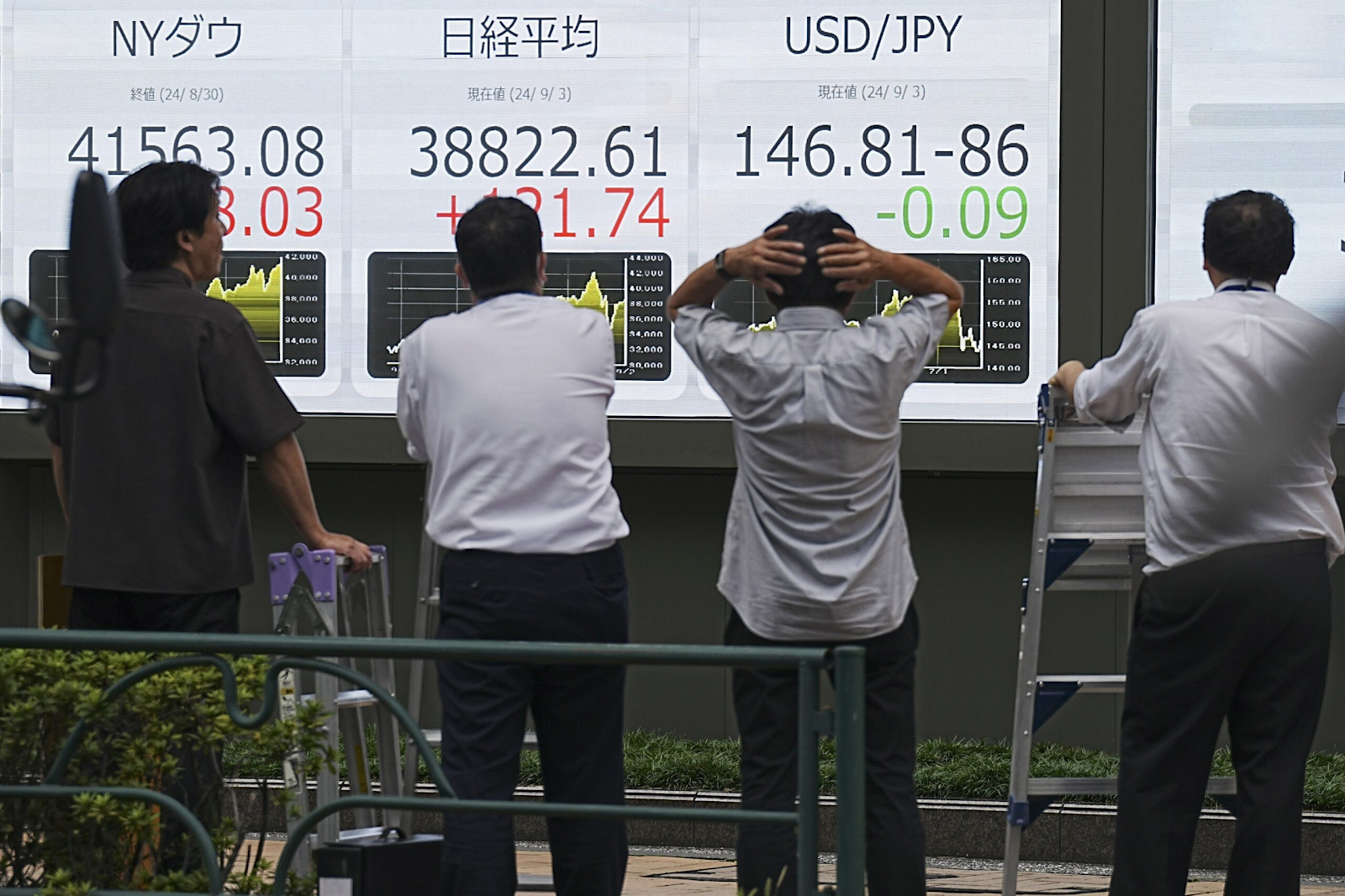
The new tariffs and the uncertainty they created led to a variety of market reactions across Asia, with most major markets experiencing significant downturns. Stock exchanges in Tokyo, Hong Kong, Shanghai, Sydney, Wellington, and Taipei all reported losses, reflecting widespread concerns about the tariffs’ potential impact on global trade and economic growth. The Seoul stock market, in particular, saw a sharp drop of more than three percent, a decline that was intensified by the South Korean government’s consideration of higher taxes on corporations and stock investors, which further dampened investor sentiment. In a stark contrast to these trends, markets in Singapore, Manila, and Jakarta managed to post gains. The varied responses across the region indicate that while the tariffs are a major headwind for the global economy, some markets may have been better prepared to absorb the news or were bolstered by strong local economic factors, showcasing the complex and uneven impact of these new trade policies.
Market Resilience and Broader Economic Pressures
According to an expert analysis from Lorraine Tan, the director of equity research in Asia for Morningstar, the market’s response may have been tempered by the fact that these tariffs were largely anticipated by the region’s investors. Tan noted that the specific tariff rates imposed on larger export-oriented economies like South Korea and Japan (at 15%) and on Southeast Asian nations (at 19%) were a “fairly reasonable outcome” when compared to the initial shock and panic that swept markets back in April. This sentiment suggests that the markets might be better equipped to absorb the news this time around, which could help to temper future volatility and lead to a more stable outlook. The market sell-off was also compounded by another significant economic factor: data from the Federal Reserve’s preferred gauge of inflation showed a higher-than-expected rise last month, which significantly dampened hopes for an interest rate cut in the US in September. This combination of trade policy uncertainty and inflationary pressure created a challenging environment for investors worldwide.