Successful Rehabilitation and Re-entry into the Market
Following a successful five-year rehabilitation plan, Thai Airways International Public Company Limited (THAI) is preparing for the highly anticipated relisting of its shares on the Stock Exchange of Thailand (SET) on August 4. In announcing this significant milestone, CEO Mr. Chai Eamsiri underscored the airline’s exceptional financial and shareholder strength, which he attributed to the comprehensive internal restructuring efforts undertaken during the rehabilitation period. These efforts were meticulously designed to revitalize the company’s core operations, encompassing everything from a complete overhaul of its personnel management and the strategic optimization of its fleet to a fundamental shift in its overall business approach. The result is a more resilient and agile airline, now firmly positioned for robust and sustainable future growth. This is evident in the company’s ambitious goal to significantly increase its market share at Suvarnabhumi Airport from 26% in the first quarter of 2025 to a commanding 35% by 2029, a target that signals the airline’s renewed confidence and its aggressive push to reclaim its dominant position in the aviation industry.
Expanding the Fleet and Global Network
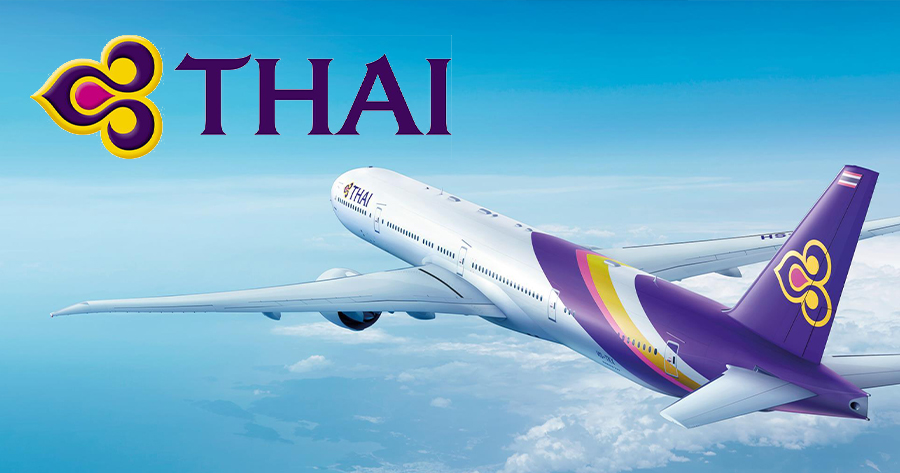
Central to Thai Airways’ strategy for future growth is a comprehensive and ambitious fleet renewal program. The company is set to receive 45 new wide-body aircraft from The Boeing Company and GE Aerospace, with deliveries scheduled to begin in 2027. These new aircraft will be used for medium- and long-haul flights, and the agreement also includes an option to purchase an additional 35, showcasing THAI’s long-term vision. By 2033, upon the completion of all deliveries, the airline’s total fleet is expected to reach approximately 150 aircraft, a substantial increase that will significantly enhance its operational capacity. Beyond fleet expansion, THAI also plans to invest in passenger experience by renovating the interiors of its 14 B777-300ER aircraft in 2027, ensuring a modern and comfortable journey for its customers. In the near term, the company will receive 17 new A321neo aircraft from late 2025 to 2026, which will enable an immediate expansion of flight frequencies and destinations across the Asia Pacific region, and the airline is also planning to expand its popular flight routes and frequencies to key destinations in Europe, Australia, and New Zealand, providing travelers with more options and connectivity.
Achieving Financial Health and Operational Efficiency
The successful turnaround of Thai Airways is clearly reflected in its improved financial performance and enhanced operational efficiency, which were driven by strategic adjustments to its personnel and investment structure. The company’s employee count was prudently reduced from 35,000 in 2019 to 22,800 in the first quarter of 2025. This move has resulted in a significant over 18% increase in employee productivity and a notable decrease in the wage-to-income ratio, which fell from 23% to a highly efficient 10.7%. The company’s long-term goal is to maintain this ratio below 13% of total revenue, a key indicator of enhanced cost management. These operational efficiencies have had a direct positive impact on THAI’s financial health. The airline’s EBITDA, after deducting aircraft cash lease, reached a robust THB 40.3 billion for the 12 months ending in March 2025. Moreover, the company’s shareholder equity, which was a negative THB 43.14 billion at the end of 2023, has impressively turned positive to THB 55.43 billion as of March 31, a dramatic reversal that underscores the success of the rehabilitation and restructuring efforts.
Strategic Debt Management and Future Investments
A critical component of Thai Airways’ rehabilitation was its successful debt restructuring, which has positioned the company for long-term financial stability. When the rehabilitation process was initiated in May 2023, the airline faced creditor claims exceeding THB 400 billion. Under the court-approved rehabilitation plan, this gargantuan obligation was reduced to approximately THB 189 billion, of which a significant portion—about THB 94.08 billion—had already been repaid by the first quarter of 2025. With a robust cash flow of THB 125 billion at the end of the first quarter, and outstanding principal and interest obligations to creditors totaling roughly THB 95 billion, THAI is in a very strong position to meet all of its scheduled debt repayments, which are spread out until 2036. These payments will range from THB 3 billion to THB 14 billion annually, demonstrating a manageable and sustainable financial plan. Looking ahead, THAI also plans a strategic investment of THB 10 billion in the U-Tapao Maintenance, Repair, and Overhaul (MRO) facility and other related businesses within the Eastern Economic Corridor (EEC). This investment will serve a dual purpose: servicing its own growing fleet of 150 aircraft and generating additional revenue by providing repair services for other customers, ensuring a diversified and resilient revenue stream for the future.