


Strategic Master Plan for Nusantara’s Buffer Zone
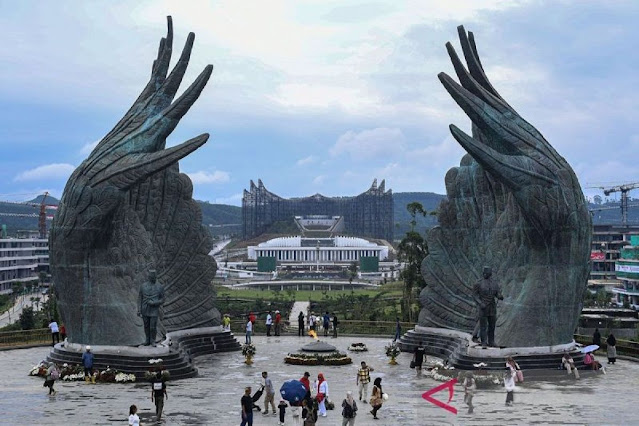
The National Development Planning Ministry (Bappenas), under the leadership of Minister Rachmat Pambudy, has expressed its unwavering support for the development of a comprehensive master plan for Penajam Paser Utara (PPU) District in East Kalimantan. This crucial plan is a direct result of PPU’s designation as a strategic buffer zone for Nusantara (IKN), Indonesia’s future capital city. Minister Pambudy conveyed this commitment during a key meeting with PPU District Head Mudyat Noor and Deputy District Head Abdul Waris Muin at the Bappenas office in Jakarta. This collaborative meeting signifies a pivotal step in aligning the central government’s vision with the regional administration’s development goals. The master plan itself is ambitious and multifaceted, designed to transform PPU into a “smart city” and a hub for a “green economy” that capitalizes on local potential, while also boosting the tourism sector to complement the development of IKN. Furthermore, the plan places a strong emphasis on strengthening the district’s human resources and basic infrastructure to support its future role as an integral part of the new capital’s ecosystem.
Addressing Challenges for Sustainable Development
While the PPU District presents significant opportunities, it also faces considerable challenges that must be addressed for the master plan to succeed. A primary concern identified by the Bappenas chief is the limited availability of a local workforce with the necessary skills, qualifications, and competence to meet the demands of this regional transformation. This skills gap poses a major hurdle to achieving sustainable and inclusive growth. According to the minister, the ultimate success of national development initiatives is directly dependent on the quality of regional planning and its effective implementation. He also stressed the importance of basing all National Strategic Projects (PSNs) on clear and measurable indicators. This is crucial for ensuring that development goals are objective, avoiding potential disputes, and guaranteeing that the benefits of the projects are tangible and can be effectively benchmarked. Given its extensive land resources, the PPU District holds immense strategic opportunities, and Minister Pambudy emphasized that these must be managed collaboratively between central and regional authorities.
Collaborative Planning for PPU’s Future
The meeting between Bappenas and the PPU District officials served as a vital initial step in building a strong, synergistic partnership. As a result of the discussions, the Bappenas chief concluded by stating that several key matters were noted and would be followed up on immediately. This commitment to swift action is a positive sign for the future of the district. The article also provides important geographical context, noting that PPU District, which was established under Law No. 7 of 2002, now covers 243,292.61 hectares, having transferred part of its territory, specifically Sepaku District, to the IKN administrative area. Currently, the district is comprised of four sub-districts, 24 urban villages, and 30 rural villages. Minister Pambudy concluded with a message of teamwork, stating, “We will work together, because it takes two to tango.” This collaborative spirit is expected to ensure that PPU District evolves into a strategic area that not only supports the development of IKN but also delivers concrete and lasting benefits to its local communities.