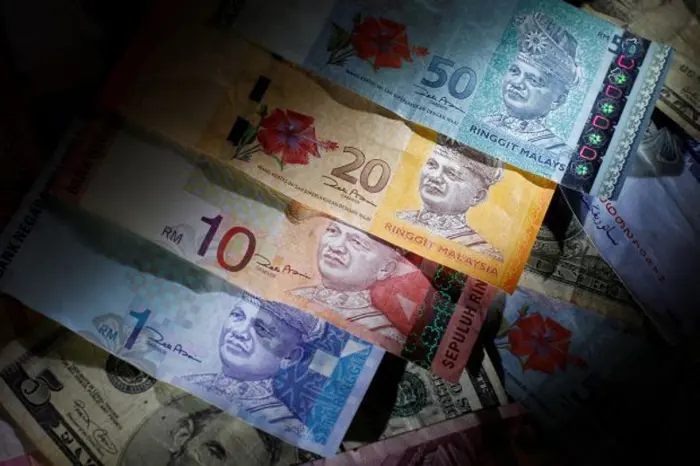
Ringgit Shows Resilience Amidst Cautious Trading
The Malaysian ringgit demonstrated a positive close against the US dollar on Tuesday, concluding the trading session higher at 4.2300/2370, a modest appreciation from the previous day’s close of 4.2320/2365. This gain occurred as investors adopted a cautious, “wait-and-see” approach, a sentiment largely driven by the looming deadline for tariff negotiations with the United States. According to Bank Muamalat Malaysia Bhd chief economist Dr Mohd Afzanizam Abdul Rashid, there is a general market impression that the trade talks could be extended beyond the initial August 1 deadline, which contributed to the measured trading activity. This performance was notably mixed within the region, with the ringgit’s strength against the greenback standing out as other major Asian currencies like the Chinese yuan, Thai baht, and Korean won depreciated, while the Indonesian rupiah and Philippine peso strengthened.
Analysts Highlight the Impact of External and Internal Factors
Market analysts are pointing to a combination of external pressures and internal caution as the primary drivers of the ringgit’s recent performance. Stephen Innes, managing partner at SPI Asset Management, noted that the ringgit traded sideways for much of the day despite opening on a stronger footing. This sideways movement reflects the cautious stance of local traders who are awaiting a definitive outcome from the US-Malaysia trade talks. Innes believes that a negotiated compromise, particularly if the new tariff rate comes in lower than market expectations, could pave the way for a more substantial appreciation of the ringgit. He characterized the current market calm as temporary, describing the August 1 deadline as a “macro landmine” on Asia’s economic calendar, highlighting the high stakes involved in the negotiations.
Mixed Performance Against Regional and Major Currencies
While the ringgit enjoyed a positive day against the US dollar, its performance was less favorable when measured against a broader basket of international currencies. At the close of trading, the local currency had dipped against several major currencies, including the Japanese yen, British pound, and the euro. This broader decline indicates that while the ringgit is benefiting from its specific trade negotiations with the US, it is still susceptible to global economic pressures and the performance of other leading currencies. The mixed trend was also evident within the ASEAN region, where the ringgit depreciated against the Singapore dollar, the Thai baht, and edged down against the Philippine peso. However, in a slight positive note, the ringgit did manage to trade marginally higher against the Indonesian rupiah, showcasing a nuanced and selective strength within the region.