


Capitalargo.com – Over the past decade, Vietnam has solidified its position as one of Asia’s fastest-growing manufacturing hubs, driven by competitive labor costs, political stability, and strategic geography. However, in 2025, labor shortages affecting the manufacturing sector in Vietnam pose a critical challenge to its industrial competitiveness.
What began as a temporary disruption during the pandemic has evolved into a structural issue, threatening long-term growth. This article analyzes the causes, impacts, and policy responses to Vietnam’s manufacturing labor gap and its implications for investors.
The Backbone of Vietnam’s Industrial Economy
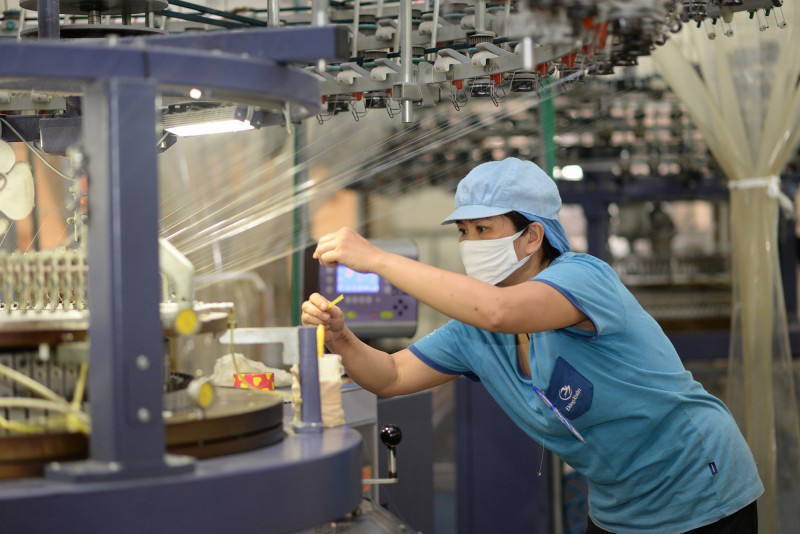
Manufacturing accounts for nearly 25% of Vietnam’s GDP and employs millions, transforming the nation into an industrial powerhouse. Industries like textiles, electronics, footwear, and automotive assembly attract significant foreign direct investment (FDI) from Japan, South Korea, and the US. Vietnam’s role in global supply chains has expanded, particularly amid US-China trade tensions and COVID-19 disruptions. Yet, the growing scarcity of skilled labor is creating a bottleneck that challenges this growth trajectory.
The labor shortage is particularly acute in southern industrial hubs like Ho Chi Minh City, where economic ambitions are high. Related: Vietnam’s southern metropolis aims for a $120B economy, underscoring the region’s manufacturing significance.
Understanding the Labor Shortage Phenomenon
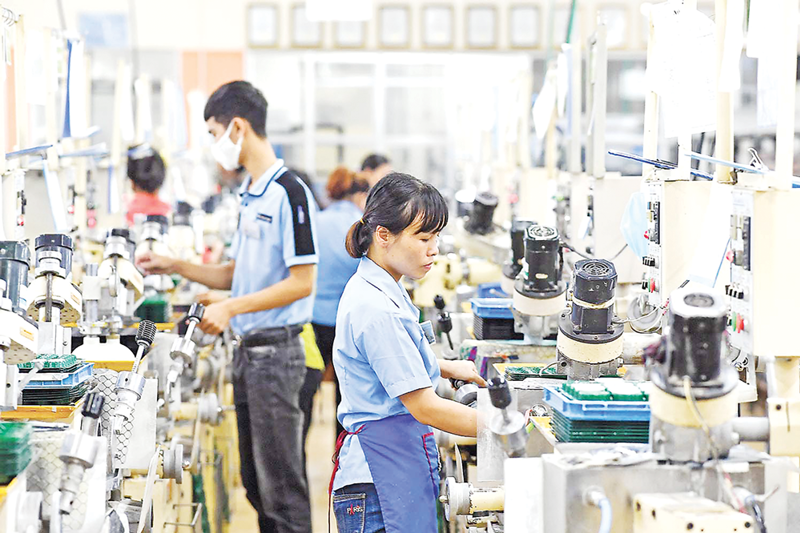
The labor shortages affecting the manufacturing sector in Vietnam stem from a mix of demographic, social, and economic factors:
- Demographic Shifts: Vietnam’s median age is projected to reach 35.5 by 2025, with a shrinking youth labor pool due to declining birth rates.
- Post-Pandemic Migration: Many workers left urban centers during lockdowns and transitioned to local service jobs, reducing factory labor supply.
- Rising Costs: Increasing living expenses in industrial zones deter workers as wages lag behind costs.
- Skills Mismatch: Vocational training lags behind demand for skilled workers in high-tech manufacturing.
- Competing Sectors: Service industries like tech and retail draw younger workers away from manufacturing.
Economic Impact on Vietnam’s Manufacturing Landscape
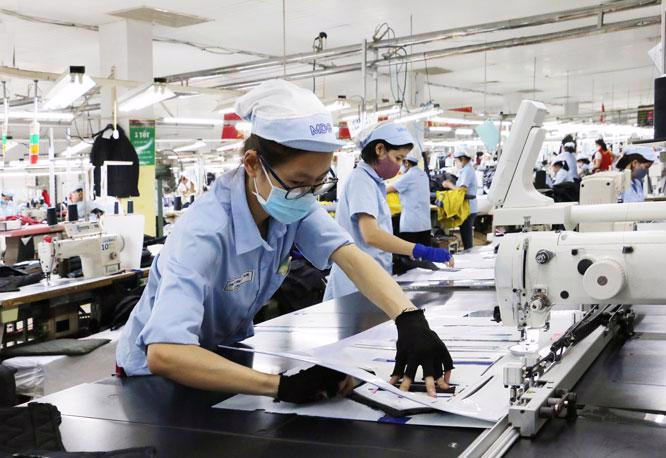
The labor shortage is reshaping Vietnam’s economy:
- Rising Costs: Wages have increased by 10–15% annually since 2022, eroding cost competitiveness.
- Production Delays: Understaffed factories cause supply chain disruptions, especially during peak export periods.
- Investor Concerns: Some FDI is shifting to Cambodia and Indonesia to mitigate labor risks.
- Innovation Pressure: Firms are investing in automation, requiring significant capital and retraining.
- Regional Inequality: Southern zones face more severe shortages than the north, creating wage disparities.
How Manufacturers Are Responding
Manufacturers are adopting strategies to address the labor gap:
- Wage and Benefits Adjustments: Companies offer higher salaries, bonuses, and subsidized housing to attract workers.
- Automation Investment: Large firms adopt robotics, while smaller enterprises explore shared automation infrastructure.
- Upskilling Programs: Partnerships with vocational schools train workers in advanced manufacturing skills.
- Rural Recruitment: Firms target rural labor markets with relocation assistance.
- Flexible Employment: Hybrid staffing models cater to younger workers’ preferences.
These strategies align with broader innovation trends in Vietnam’s startup ecosystem. Related: Sectors like tech and GreenTech are also competing for skilled talent.
Government Measures and Policy Interventions
Vietnam’s government is tackling labor shortages through targeted policies:
- Vocational Training Overhaul: Expanding centers and modernizing curricula under the “Vietnam Skilled Workforce 2030” plan.
- Labor Mobility: Improving housing and transportation infrastructure near industrial parks.
- Female Workforce Inclusion: Encouraging women’s participation in manufacturing, especially textiles.
- Foreign Labor Rules: Relaxed restrictions for skilled foreign technicians as a temporary fix.
These policies also support sustainable industries. Related: Vietnam’s green finance for the garment industry promotes workforce sustainability.
Long-Term Implications for Vietnam’s Economic Strategy
The labor shortages affecting the manufacturing sector in Vietnam are pushing a shift from low-cost, labor-intensive models to advanced manufacturing and innovation. This transition requires reforms in education, digital transformation, and labor policies to maintain Vietnam’s role as an ASEAN manufacturing hub.
The real estate sector, driven by industrial park development, also faces labor-related pressures. Related: Vietnam’s real estate recovery highlights the demand for industrial infrastructure.
Expert Perspectives
The Vietnam Chamber of Commerce and Industry (VCCI) reports that 68% of manufacturers plan to invest in automation by 2026. Economists note that wage growth could boost domestic consumption but caution that without productivity gains, rising costs may deter smaller firms.
Conclusion
The labor shortages affecting the manufacturing sector in Vietnam expose vulnerabilities but also offer a catalyst for transformation. By investing in automation, skills development, and inclusive policies, Vietnam can turn this challenge into a competitive advantage, sustaining its role as a global manufacturing powerhouse.