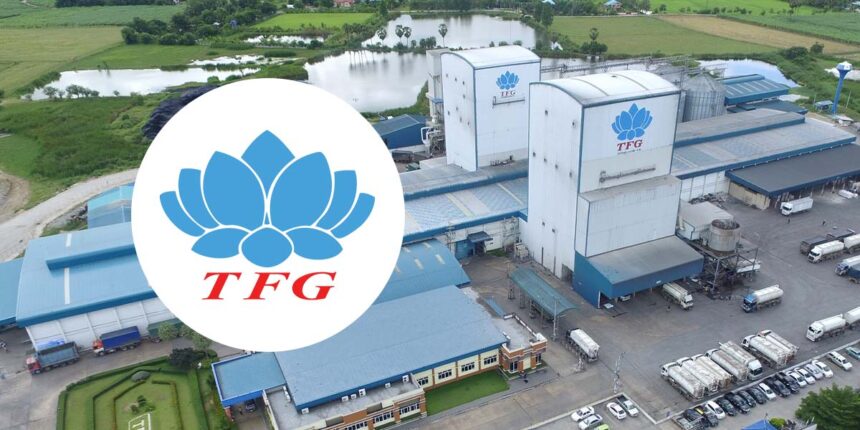
Rising Swine Prices In Vietnam Fuel Growth For TFG Exporters
The regional livestock market is experiencing a notable shift as swine prices in Vietnam demonstrate a robust recovery during the final weeks of December. TFG stands to benefit significantly from these price hikes as seasonal demand strengthens.
Recent data indicates that prices have climbed to between sixty-three thousand and sixty-eight thousand dong per kilogram, reversing the downward trend seen earlier. This price rebound is largely attributed to a tighter supply chain following recent flooding and a period of aggressive supply liquidation by local farmers.
As the market moves closer to the mid-February holiday season, experts anticipate that these elevated price levels will remain firm for exporters. By positioning themselves as reliable suppliers during this supply crunch, large-scale producers can leverage their operational scale to maximize returns.
Resilient Domestic Markets And Favorable Cost Environments In Thailand
In contrast to the volatile conditions seen in neighboring territories, the Thai livestock sector is showing remarkable resilience with steady price increments. Local swine prices in Thailand reached sixty-six baht per kilogram in December, marking a significant monthly increase that reflects a healthier consumption pattern.
The integrated business model utilized by TFG and its peers allows these companies to navigate fluctuations by maintaining a diverse product portfolio. Chicken prices have also rebounded to nearly thirty-nine baht per kilogram, supported by a strong export performance and upward movement of red meat prices.
One of the most critical factors contributing to this stability is the current state of the global feed market, where raw material costs have remained subdued. Corn and soybean meal prices have stayed at relatively low levels, creating a favorable cost environment that protects margins as they head into 2026.
Sector Earnings Forecast And Strategic Investment Outlook For 2026
Despite the localized price recoveries witnessed at the end of the year, the broader sector is expected to report a quarterly decline in total earnings. Financial reports suggest that while the immediate future looks bright for firms like TFG, the overall industry profit might see a year-on-year drop.
This is particularly true for firms with heavy exposure to the Chinese market, where swine prices remain well below the breakeven point due to oversupply. Looking forward to 2026, the market is shifting its focus toward strategic picks that have direct exposure to the rising prices in Thailand and Vietnam.
Investors are advised to keep a close eye on shifting weather patterns, such as the potential return of El Niño, which could impact global grain production. As the meat price upcycle begins to stabilize, the focus will likely move toward sustainable growth and the ability to innovate within the value-added segment.
Analytical Commentary On Regional Livestock Dynamics And Strategic Valuation
From a professional financial and sector perspective, the divergence between recovering Southeast Asian markets and the struggling Chinese industry creates a unique arbitrage opportunity. The current recovery in Vietnam is an indication of a structural supply correction that will likely define the valuation of firms like TFG through mid-2026.
We observe that the ability of Thai exporters to fill the supply vacuum in Vietnam allows for a geographical hedge that reduces net income volatility. The current low-cost feed environment acts as a temporary subsidy to the sector’s bottom line, which may not be fully priced into current stock valuations.
The transition toward El Niño late in 2026 represents a looming risk factor that could inflate input costs by up to fifteen percent if grain yields are compromised. Persistent underperformance in China suggests that firms with diversified regional footprints will continue to trade at a premium compared to those with East Asian reliance.
Ultimately, the synergy between robust domestic demand in Thailand and a recovering price floor in Vietnam positions the sector as a defensive haven. Investors should prioritize entities that demonstrate superior feed-to-meat conversion rates and those that have successfully locked in long-term raw material procurement contracts.