Sanofi Strategic Growth And Market Diversification Initiatives
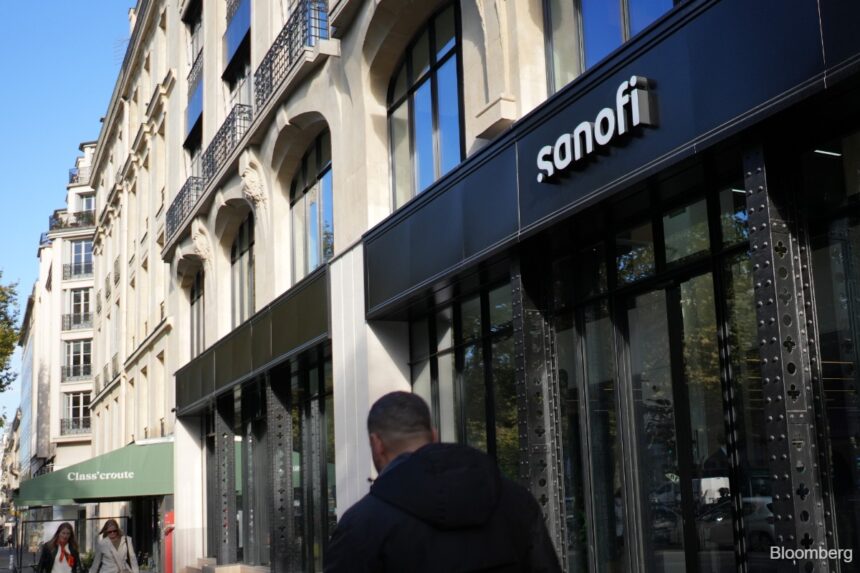
The pharmaceutical landscape is evolving rapidly as Sanofi takes decisive steps to strengthen its global immunisation portfolio through significant capital investments. It is confirmed that Sanofi has agreed to acquire Dynavax Technologies Corp for approximately two point two billion dollars to bolster its specialty vaccines.
This move is designed to expand the drugmaker’s vaccine business, which has traditionally been anchored by its highly successful influenza shot franchise. The acquisition involves a cash payment of fifteen dollars and fifty cents per share, representing a substantial thirty-nine percent premium over the target price.
This strategic announcement followed closely after the French drugmaker received word that the US Food and Drug Administration had surprisingly rejected its experimental drug. While the market reacted with a slight dip in share prices, the integration of new vaccine assets is expected to provide a much-needed boost to revenue.
The deal introduces a marketed hepatitis B vaccine into the company’s existing lineup, which already covers respiratory syncytial virus, meningitis, and pertussis. Furthermore, the inclusion of an experimental shingles inoculation currently in early human testing highlights a commitment to addressing adult immunisation needs.
This expansion is particularly relevant as the company seeks to navigate a challenging global health environment characterized by shifting regulatory guidance and competition. By diversifying its offerings, the group aims to maintain its leadership position in the preventive medicine sector despite the ongoing pressures facing the industry.
The total equity value of the deal reflects a bold bet on adult vaccines as a counterweight to the volatility of seasonal flu and respiratory medications. Management expects the transaction to finalize by the first quarter of 2026, marking a new chapter in the company’s industrial manufacturing and distribution strategy.
Navigating Regulatory Hurdles And Global Vaccination Market Trends
The recent decision by the FDA regarding the multiple sclerosis treatment tolebrutinib represents a complex challenge for the research and development division. Analysts had previously projected that this particular medicine could reach peak annual sales of one point seven billion dollars, making the rejection a notable setback.
The regulator’s choice comes at a time when the company was already managing hurdles related to trial data and potential risks associated with liver injury. Leadership expressed significant disappointment, noting that the agency’s current direction appears to be a meaningful departure from earlier feedback provided during the review.
This development is occurring against a backdrop of declining vaccination rates worldwide, a trend that financial officers attribute to post-pandemic fatigue and sentiment shifts. In the United States, changes in guidance for childhood and adult shots have created a more uncertain environment for vaccine manufacturers and their long-term pipelines.
Despite these external pressures, the acquisition of new platforms is seen as a way to hedge against the volatility seen in the traditional flu vaccine segment. The company remains committed to working with regulators to find a viable path forward for its MS applications, which target an underserved patient population.
Secondary progressive multiple sclerosis involves a steady increase in disability, and there are currently very few effective treatments available for those suffering from it. Maintaining a focus on these high-need areas remains a core part of the corporate strategy to drive innovation and provide value to shareholders over the years.
The unexpected complete response letter from the FDA has forced a re-evaluation of the neurology pipeline’s immediate contribution to the company’s bottom line. However, the pivot toward commercial-stage assets like those from Dynavax ensures that the group can still meet its ambitious growth targets for the next decade.
Financial Outlook And Regional Market Impact Analysis
From a professional financial perspective, the two point two billion dollar acquisition is a calculated move to stabilize the immunisation segment amid sectoral headwinds. The integration of established products like the hepatitis B vaccine provides immediate cash flow, which helps mitigate the impact of the recent regulatory rejection.
We observe that while the multiple sclerosis drug setback is significant, the market had already discounted a portion of its value due to previous delays. The acquisition is not expected to alter the financial guidance for 2025, suggesting a disciplined approach to balance sheet management and capital allocation.
As the deal is set to close in early 2026, the company has a clear window to harmonize its manufacturing and distribution networks for operational efficiencies. The regional impact in the US and Europe will be critical, as price competition and evolving health policies continue to shape provider and consumer behavior.
Furthermore, the experimental shingles vaccine offers a strategic entry into a high-growth adult market, competing with other established global pharmaceutical giants. Investors should monitor the progress of early-stage human trials, as these will be the primary drivers of future valuation re-ratings and sector growth.
The ability to successfully pivot from a reliance on seasonal flu shots to a broader, multi-valent vaccine provider is essential for long-term sustainability and reach. Ultimately, the synergy between advanced biotechnology acquisitions and core internal research remains the most viable path for overcoming the current hurdles in the market.
By layering new, high-margin products over an existing global distribution infrastructure, the group can achieve economies of scale that are difficult for smaller competitors to match. The success of this integration will likely determine the company’s ability to maintain its premium valuation in a rapidly consolidating global healthcare environment.
Macro-Economic Valuation And Portfolio Risk Management Synthesis
The strategic pivot toward adult immunization through the acquisition of commercial-stage assets represents a sophisticated response to the current malaise in the neurology pipeline. By securing a dominant position in the hepatitis B segment, the entity effectively mitigates the high-risk nature of its experimental MS programs which are facing regulatory gridlock.
This capital allocation strategy demonstrates a flight to quality, where tangible cash flows from existing vaccine sales are used to subsidize the long-tail volatility of breakthrough drug development. From a macro-agricultural and biotech perspective, the shift in US health policy and rising fatigue regarding post-pandemic shots create a contraction in the traditional flu market.
To preserve margins, the firm is forced to transition toward high-margin specialty vaccines, such as shingles and respiratory syncytial virus, where the competitive moat is significantly deeper. We observe that the current valuation of the acquisition is highly efficient, as it captures proprietary adjuvant technologies that can be applied across the broader immunisation framework.
The failure of the MS drug to gain immediate approval serves as a catalyst for a sectoral re-rating, forcing institutional investors to look toward the resilience of the preventive care sector. By integrating a diversified portfolio that covers both pediatric and adult cycles, the company insulates itself from pricing pressures prevalent in socialized medicine markets.
Ultimately, the ability to manage these complex regulatory pivots while simultaneously executing high-value mergers defines the entity as a defensive anchor within the global pharmaceutical ecosystem. The long-term success of this synthesis will depend on the successful conversion of early-stage human trials into scalable commercial products that can withstand shifting public health sentiments.