Strategic Expansion Of VinEnergo And The Influence Of Vingroup
The selection of VinEnergo Energy JSC as the primary investor for the Hon Trau wind power plant phase 1 project represents a landmark development for Vingroup and its broader ecosystem. This massive undertaking in the central Vietnam province of Gia Lai carries a total investment value exceeding VND48.37 trillion, which translates to approximately $1.86 billion. The provincial Investment Promotion Center has confirmed that the local People’s Committee approved the results of a rigorous prequalification process, where VinEnergo demonstrated its capacity to meet every technical and financial requirement.
This decision follows the company’s previous success with the Vinh Thuan wind power plant, a substantial VND4.68 trillion venture. By securing a second major project in the region, the company is solidifying its role as a key player in Vietnam’s transition toward a greener economy. The Hon Trau project is strategically located across several communes and wards, including Phu My Dong and Binh Duong, utilizing nearly 50 hectares of land and sea area on a long-term basis. This includes a significant portion of sea surface, emphasizing the project’s offshore capabilities.
The integration of such large-scale renewable energy assets is a testament to the advanced engineering and capital management capabilities that define the top tier of Vietnamese industry today. By leveraging localized knowledge and large scale financing, the investor is positioned to significantly alter the regional power generation mix. This strategic move aligns with the national goal of reducing carbon intensity while supporting the rapid industrialization of the central highlands and coastal regions.
Operational Capacity And Navigating Regulatory Frameworks
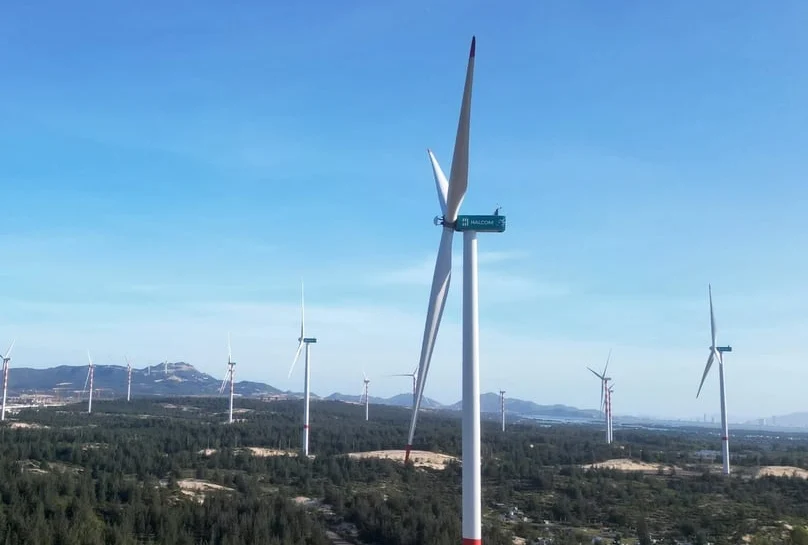
The designed capacity of the Hon Trau wind power plant phase 1 is a staggering 750 megawatts, with a projected annual output of roughly 2.8 billion kilowatt-hours of electricity. Naturally, the involvement of major entities like Vingroup and its affiliates brings a high level of operational expertise to a project that requires over VND48.34 trillion in construction and implementation costs. Beyond the technical challenges of installing offshore turbines in designated zones like HT 1A and HT 1B, the project must navigate a complex regulatory landscape.
The provincial authorities have allocated specific funds for compensation, support, and resettlement to ensure a smooth transition for local communities. The timeline for completion is set for the fourth quarter of 2029, though this may be adjusted based on the national marine spatial planning framework and sustainable coastal resource guidelines. Furthermore, the operating term for this facility is set at 50 years, reflecting a long-term commitment to energy security. Strict provincial regulations govern the project, prohibiting the transfer of ownership interests or shares without explicit written approval.
This high level of oversight is intended to protect the integrity of the project and ensure that it remains a cornerstone of the regional power grid, contributing to the broader goal of national self-sufficiency in power generation. The project’s success will likely serve as a blueprint for future public private partnerships in the renewable sector. As technology advances, the ability to maintain and upgrade these offshore assets will be crucial for maximizing the long term return on investment and ensuring a stable supply of clean energy for decades to come.
Industrial Growth And The Regional Energy Landscape
The broader economic environment in Gia Lai is currently experiencing a surge in activity, with 31 investment projects licensed in January 2026 alone, totaling over $1.79 billion in registered capital. This industrial boom is led by the energy and construction sectors, with notable developments such as the 500-kilovolt transmission lines developed by the National Power Transmission Corporation. Alongside these infrastructure upgrades, the province has attracted multiple wind power projects, which further diversify the regional energy portfolio.
VinEnergo’s repeated success in securing licenses highlights a growing trend of high-capacity private investment in renewable sources. By stabilizing the local energy supply and contributing to the national grid, these projects create a multiplier effect for other industries, including agriculture and forestry. The synergy between high-voltage transmission lines and large-scale wind farms is essential for reducing transmission losses and improving overall grid resilience. As the province continues to refine its investment promotion strategies, the focus remains on high-value projects.
This strategic alignment ensures that Gia Lai remains a primary destination for industrial capital, driving long-term prosperity while maintaining a commitment to environmental stewardship. The influx of capital into the wind sector is also expected to stimulate local employment and foster the development of a specialized technical workforce. By integrating modern energy solutions with traditional industrial sectors, the province is creating a more balanced and sustainable economic model that can adapt to the changing demands of the global marketplace.
Professional Financial Analysis Of Market Impact And Industrial Resilience
From a professional financial analyst perspective, the $1.86 billion commitment to the Hon Trau project serves as a critical indicator of the maturing renewable energy market in Central Vietnam. We interpret this massive capital allocation as a strategic move to capitalize on the increasing demand for clean energy as Vietnam aligns with global net-zero targets. Historically, the energy sector in Gia Lai was dominated by smaller-scale operations, but the entry of major institutional investors has effectively raised the barrier to entry, shifting the focus toward high-capacity offshore and near-shore assets.
This transition is expected to stabilize the regional industrial power tariff, as the 750-megawatt capacity will provide a reliable baseload that offsets the intermittency of smaller plants. Our analysis suggests that the concentration of capital in these large-scale projects will drive a qualitative improvement in the local supply chain, particularly for maritime engineering and specialized construction services. Furthermore, the regional market impact of this development places Gia Lai at the forefront of the national energy corridor, bridging the power gap between industrial hubs.
As the government continues to refine the marine spatial planning framework, we anticipate that the risk premium for offshore wind will decrease, attracting more diverse global capital. Ultimately, the success of the Hon Trau project will be determined by its ability to maintain operational efficiency over its 50-year term. By leveraging the temporary cash flow advantages provided by provincial incentives, the investor can secure a dominant position in the regional market. This transition from fossil-fuel dependence to a diversified renewable portfolio is the key to ensuring resilience through 2030.