Strategic Workforce Development And The BGRIM Partnership Initiative
The recent signing of the fourth Memorandum of Understanding for the Vocational Education in Electrical System Engineering and Power Control project highlights how BGRIM continues to lead in fostering a high quality workforce. This energy giant is dedicated to preparing specialized technicians for the rapidly evolving demands of the national power sector through long term educational investment.
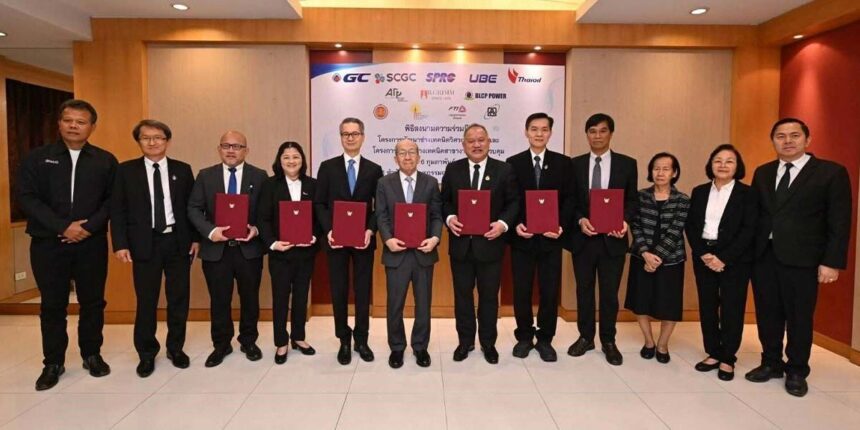
This particular collaboration marks the ninth through eleventh years of a successful partnership that operates in tandem with the Vocational Chemical Engineering and Power Control project. The ceremony was held at Maptaphut Technical College in Rayong Province, featuring prominent figures such as the Secretary General of the Vocational Education Commission and a former Minister of Energy acting as a project advisor.
By committing to these educational frameworks, the company ensures a steady pipeline of talent that is well versed in the specific technical requirements of modern electricity generation. This initiative is part of a broader corporate strategy to align academic curricula with the actual operational needs of the industrial sector, particularly as energy systems become more complex and technologically advanced.
Integrating Theoretical Knowledge With Hands On Industrial Training
As a leading player in the regional energy landscape, BGRIM emphasizes the critical integration of theoretical classroom knowledge with intensive hands on training in real world industrial environments. This dual approach is essential for producing technicians who possess the high level competencies required by the modern labor market, especially in areas such as power control and electrical system engineering.
The rapid transformation of the energy industry requires a workforce that is not only familiar with current technology but also adaptable to future shifts in electricity generation and safety standards. By providing students with access to state of the art facilities and mentorship from experienced engineers, the project enhances the practical skills of young technicians before they even enter the workforce.
This proactive human resource development strategy addresses the common issue of the skills gap, ensuring that graduates are ready to perform effectively from day one. Furthermore, the collaboration between educational institutions and industrial leaders fosters an environment of continuous learning and innovation. The investment in these vocational programs demonstrates a commitment to social responsibility and a recognition that the strength of the energy sector is directly tied to the expertise of its people.
Strengthening National Energy Security Through Sustainable Growth
The company firmly believes that a sustainable economic future is only possible through consistent investment in workforce development and the strengthening of national energy security. By supporting the latest memorandum of understanding for the 2026 to 2028 period, BGRIM is reinforcing the foundation of Thailands industrial competitiveness.
This long term vision recognizes that technicians are the backbone of the energy industry, responsible for the maintenance and optimization of power systems that fuel the entire nation. The synergy between the education commission and the private sector serves as a model for how public private partnerships can drive robust, future ready growth.
As the energy sector moves toward greater efficiency and environmental consciousness, the need for specialized knowledge in power control and chemical engineering becomes even more pronounced. This partnership ensures that the vocational training programs stay relevant and updated with the latest industry trends and global best practices. Ultimately, the goal is to create a workforce that can lead the way in technological advancements.
In-Depth Analysis Of Local And Regional Market Impacts
The strategic alignment between vocational education and industrial requirements in Thailand represents a sophisticated shift in the regional labor market dynamics, particularly within the Eastern Economic Corridor. From a professional financial analysts perspective, the commitment shown by major energy players serves as a critical de-risking mechanism for long term infrastructure investments.
We observe that by internalizing the costs of specialized training through these partnerships, companies are effectively reducing future operational expenditure related to technical errors and system downtime. This localized human capital development is essential for maintaining Thailands position as a regional hub for high tech manufacturing and power generation.
The ripple effect of such programs extends beyond the energy sector, as the standardized certifications and technical expertise gained by these vocational students improve the overall quality of the industrial workforce. Furthermore, the emphasis on electrical system engineering and chemical control prepares the nation for the inevitable transition toward decentralized power grids and smart energy management.
At the regional level, this model of industrial academic synergy enhances the countrys attractiveness to foreign direct investment, as multinational corporations seek locations with a predictable supply of skilled technical labor. We anticipate that this vocational framework will act as a blueprint for other ASEAN nations looking to upgrade their industrial bases in the face of rapid digitalization.
From an investment standpoint, firms that prioritize these long term social and human capital initiatives often demonstrate higher resilience and better ESG performance scores, which are increasingly vital for attracting international institutional capital. Ultimately, the move toward a highly specialized and certified workforce reduces the structural unemployment often found in emerging markets.
This proactive approach to labor market management fosters a more inclusive economic environment where the benefits of industrial growth are shared through professional career pathways for the youth. By converting academic potential into industrial proficiency, the nation is building a sustainable competitive advantage that transcends simple cost efficiencies.
The integration of advanced vocational training with real world operational benchmarks ensures that the regional energy grid remains both reliable and technologically superior to peer markets. In the long term, this strategy will likely lead to lower maintenance costs and higher efficiency across the national power fleet, directly impacting the fiscal health of the utility sector.