Resilient Capital Market Trends And The Strategic IPO Pipeline
The Indonesian capital market is currently navigating a period of significant global uncertainty, yet the momentum for a new IPO remains remarkably steady according to the latest insights from Korea Investment and Securities Indonesia. Despite a cautious mood among international investors, the brokerage has confirmed that its internal pipeline for an upcoming IPO remains on track with seven to eight companies currently in various stages of preparation. KISI President Director Kyoung Hun Nam explained that these projects are the result of long-term strategic planning that began well before the recent spike in market volatility.
Nearly 50% of the planned listings for the early part of the year have already been realized or are nearing completion, as the groundwork was laid during the second half of 2025. The stability of this pipeline is largely attributed to the fact that the listing process typically requires a sophisticated preparation period of six months to a year, making these corporate actions less sensitive to short-term fluctuations in daily trading sentiment. While concerns regarding global credit ratings and MSCI assessments have created a wait-and-see atmosphere, the fundamental desire for companies to access public equity remains a primary driver of market activity.
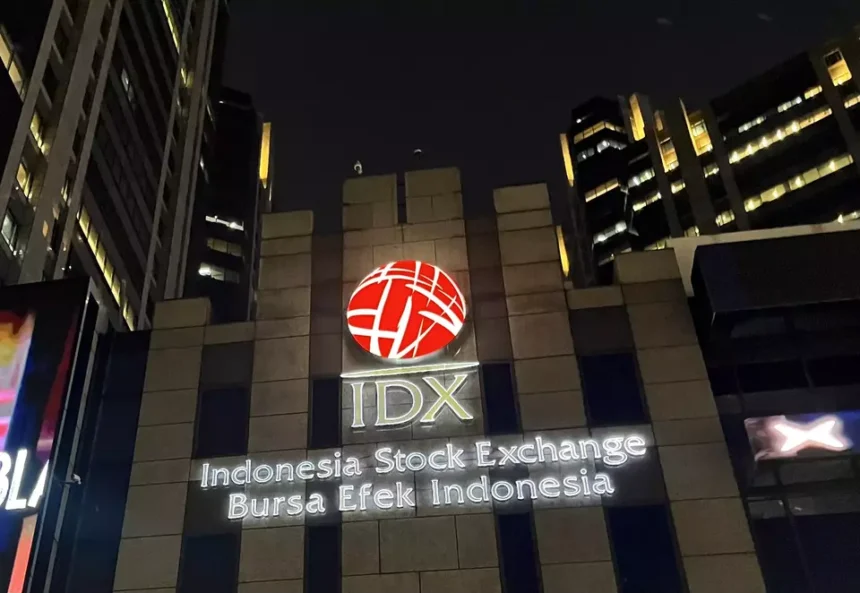
The largest potential deals in the current queue involve firms with substantial assets valued between Rp 2 trillion and Rp 3 trillion, which qualifies them as large-scale listings under existing financial regulations. This commitment to proceeding with a high-value IPO despite external pressures highlights the underlying strength of the domestic corporate sector and its ability to look past temporary macroeconomic headwinds toward long-term growth objectives. The transition from private to public status for these large-asset entities is expected to provide a necessary boost to the overall market capitalization of the Indonesia Stock Exchange during the 2026 fiscal year.
Sectoral Diversity And Regulatory Frameworks For Large Asset Listings
Data from the Indonesia Stock Exchange as of late February 2026 reveals a diverse range of sectors represented in the current listing queue, including basic materials, finance, transportation, and energy. Out of the eight companies actively pursuing an IPO at this stage, five are classified as large enterprises with assets exceeding Rp 250 billion, while the remaining three fall into the medium-sized category. This healthy mix of industries suggests that the appetite for public capital is not limited to a single niche but is a broad-based trend across the Indonesian economy.
KISI has noted that the most significant interest is coming from the banking, tourism, mining, and infrastructure sectors, all of which require substantial capital for expansion and modernization. These firms are adhering to the strict requirements of POJK 53/2017, which governs the registration and disclosure standards for large-asset entities entering the public market. Beyond the equity side, the financial ecosystem is also seeing robust activity in the debt market, with several bond issuances being successfully arranged in the first two months of the year.
This dual-track approach to fundraising indicates that Indonesian corporations are becoming more sophisticated in their capital structure management. Although the total number of listed companies on the IDX remained at 956 issuers during the very beginning of the year, the density of the current IPO pipeline suggests that a significant wave of new listings is imminent. As the government continues to work on resolving regulatory issues with international index providers, the stage is being set for a more vibrant second half of the year where investor confidence can fully recover and support these ambitious corporate milestones.
Market Sentiment And Forward Projections
From a professional financial analyst’s perspective, the current wait-and-see phase in the Indonesian capital market is a rational response to shifting global monetary policies and regional credit assessments. The resilience of the IPO pipeline managed by firms like KISI serves as a leading indicator of corporate health, suggesting that internal growth narratives remain stronger than the external noise of market volatility. We analyze that the successful execution of large-scale listings in the mining and infrastructure sectors will be crucial for maintaining the 1,400-point support level on the composite index, as these sectors often attract the high-quality institutional flow necessary for market depth.
From a B.I.F.E. standpoint, the anticipated clarity on MSCI inclusion and potential shifts in central bank interest rates are the primary catalysts that will unlock sidelined capital. We project that once the regulatory environment stabilizes, a significant portion of the domestic dry powder held by pension funds and insurance companies will rotate back into new equity offerings. Analysts should also note that the integration of ESG standards into the listing process is becoming a qualitative differentiator for international fund managers, particularly in the energy and basic materials segments.
The transition from a cautious start in early 2026 to a high-activity period in the third and fourth quarters appears increasingly likely if inflation remains within the target corridor. Ultimately, the synergy between robust regulatory supervision and a steady flow of high-asset issuers will ensure that the Indonesian stock market remains a premier destination for both regional and global capital. The ability of the market to absorb a multi-trillion rupiah IPO without significant price dilution will be the ultimate test of its maturity and liquidity in the coming months.
Strategic Macroeconomic Impact And Structural Evolution Of The Listing Ecosystem
The convergence of global risk premiums and domestic regulatory reform is currently reshaping the Indonesian capital mobilization landscape, positioning the 2026 fiscal year as a critical transition period for regional financial hubs. We analyze that the persistent strength of the IPO pipeline, despite heightened global volatility, reflects a fundamental shift toward localized capital independence and a maturing domestic investor base. From a B.I.F.E. perspective, the strategic focus on large-asset listings in the banking and infrastructure sectors is expected to catalyze a 10% to 15% increase in total market capitalization by the end of the fourth quarter.
This structural evolution is supported by the proactive stance of major brokerages which are effectively bridging the gap between private enterprise needs and public market liquidity. We observe that the increasing frequency of secondary debt offerings alongside equity listings suggests a more balanced approach to risk management among Indonesian issuers, which in turn reduces the systemic vulnerability to sudden foreign capital outflows. Furthermore, the anticipated resolution of MSCI-related concerns will likely act as a multiplier for domestic sentiment, potentially triggering a record number of new listings in the industrial and consumer primary sectors as the year progresses.
We project that as monetary policy begins to harmonize with improving macroeconomic indicators, the yield gap between fixed-income assets and equity returns will narrow, further incentivizing the retail segment to participate in the IPO market. Ultimately, the resilience shown in the early months of 2026 underscores the long-term viability of the financial markets in Southeast Asia, ensuring they remain a robust engine for socio-economic development. The ability of the IDX to facilitate these large-scale capital raises without distorting existing valuations will be the primary bellwether for the region’s overall economic health and its attractiveness to sophisticated institutional portfolios seeking diversified emerging market exposure.