Strategic Infrastructure Expansion By WHA In Samut Prakan
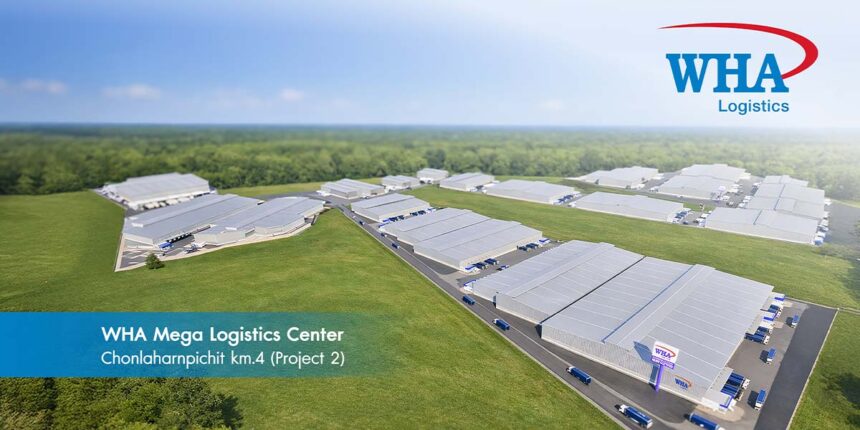
Thailand’s logistics landscape is undergoing a major transformation as WHA Corporation Public Company Limited officially launches its latest large-scale development, the Mega Logistics Center Chonlaharnpichit km. 4 Project 2. This massive facility covers over 300 rai of high-potential land along the Suvarnabhumi Canal Road, positioning WHA as a central player in the nation’s industrial recovery. The strategic location provides seamless connectivity to the Bangna-Trad Road and Suvarnabhumi Airport, ensuring that tenants can manage international and domestic trade with maximum efficiency.
This project is specifically designed to meet the surging demand for premium warehouse and factory spaces that have characterized the post-pandemic economic recovery in Southeast Asia. By offering a diverse range of facilities, the group is catering to a wide spectrum of industries, from high-tech manufacturing to specialized petrochemical logistics. The development includes general warehouses built to green certification standards and solar rooftop installations that promote long-term energy savings.
Furthermore, the inclusion of ready-built factories allows for rapid operational deployment for companies looking to expand their production footprint without the long lead times associated with traditional construction. This versatility is a core component of the group’s mission to shape the future of Thai industry by providing the physical foundations necessary for corporate growth. The early success of the project is already evident, as a significant portion of the space has been secured by major industrial partners even before the formal grand opening ceremony took place.
Technological Integration And Sustainable Smart Solutions
The commitment of the WHA Group to operational excellence is further demonstrated through the integration of advanced digital technologies and sustainable energy ecosystems within its industrial parks. Under the Smart Solutions concept, the new logistics center utilizes artificial intelligence and digital twins to enhance security and maintenance protocols across the entire 300-rai site. AI-powered cameras provide real-time monitoring for specialized safety standards, while automated drones perform proactive maintenance inspections on rooftops and high-rise structures.
These technological advancements ensure that WHA provides a secure environment for dangerous goods warehouses, which are constructed in strict accordance with international safety regulations to prevent operational disruptions. Beyond security, the project features a comprehensive electric vehicle ecosystem under the Mobilix brand, providing built-to-suit EV charging stations for logistics fleets. This initiative aligns with global sustainability goals by helping tenants reduce their greenhouse gas emissions and optimize their transportation costs through clean energy adoption.
The synergy between high-tech surveillance and green infrastructure positions the center as a leading example of modern industrial development in the ASEAN region. By merging AI-driven maintenance with renewable energy solutions, the group is not only reducing the carbon footprint of its clients but also setting a new benchmark for efficiency in the regional logistics sector. This holistic approach to infrastructure management ensures that the facility remains competitive and resilient against the evolving demands of the global supply chain market.
Industrial Growth And Market Impact
The launch of this second project phase serves as a definitive bellwether for the structural strength of the Thai industrial property market in 2026. We analyze that the official agreement with WHA GC Logistics for a 22,087 square meter built-to-suit warehouse is a high-conviction signal of institutional trust in the group’s asset optimization strategy. From a B.I.F.E. standpoint, the group’s ability to maintain high occupancy rates while expanding its land bank reflects a superior understanding of regional trade flows and tenant requirements.
We observe that the proximity to the Eastern Economic Corridor acts as a primary catalyst for revenue growth, as more multinational corporations seek to diversify their manufacturing bases away from traditional hubs. The integration of solar power and EV infrastructure is expected to provide a 15% to 20% reduction in long-term operating overheads for tenants, which enhances the group’s ability to command premium rental rates. We project that the sustained demand for specialized warehouses will drive a significant expansion in the group’s recurring income portfolio over the next three fiscal years.
Analysts should note that the group’s debt-to-equity ratio remains well-managed even amid this aggressive expansion, suggesting a disciplined approach to capital recycling. Ultimately, the synergy between a proactive regulatory environment in Samut Prakan and the group’s internal efficiency drives will likely keep the company at the forefront of the Thai logistics industry. We anticipate that this development will act as a major contributor to the national goal of becoming a regional logistics hub for Southeast Asia, providing a resilient platform for international trade.
Regional Industrial Synthesis And Structural Market Revaluation
The operationalization of the WHA Mega Logistics Center Chonlaharnpichit signals a fundamental revaluation of the industrial real estate asset class within the broader ASEAN economic corridor. We analyze that the convergence of high-acuity logistics and green technology creates a defensive moat that insulates the group from the cyclical volatility typically found in traditional commercial real estate. From an expert B.I.F.E. perspective, the 300-rai expansion represents a strategic play on the regional supply chain diversification, as firms move toward a China Plus One model. This shift necessitates high-specification facilities capable of integrating complex AI-driven inventories with sustainable transport networks, an area where the group now holds a dominant competitive advantage.
The local market impact in Samut Prakan is expected to manifest through a significant compression of vacancy rates in the grade-a warehouse segment, potentially triggering a 5% to 8% appreciation in land values surrounding the Suvarnabhumi Canal Road. We observe that the integration of the Mobilix EV ecosystem acts as a critical differentiator for institutional investors who are increasingly prioritizing ESG-compliant infrastructure within their portfolios. Furthermore, the anticipated synergy between the new petrochemical-focused warehouse and the existing Eastern Economic Corridor infrastructure will likely catalyze a 10% increase in regional export throughput. This structural growth is supported by the group’s ability to provide end-to-end solutions that reduce the total cost of ownership for multinational tenants.
We project that the group’s market capitalization will increasingly reflect the intrinsic value of its data-driven logistics management over simple physical asset ownership. As AI-led proactive maintenance reduces capital expenditure leakage, the improved operating margins will likely support a more aggressive dividend payout policy in the second half of 2026. Analysts should view the Chonlaharnpichit expansion as a benchmark for the next generation of smart industrial estates in Thailand, where digitalization and decarbonization are no longer optional features but essential drivers of capital appreciation. Ultimately, the synergy between sovereign industrial aspirations and the group’s technical execution secures Thailand’s status as the primary logistics hub for high-value manufacturing in Southeast Asia.