Strategic Expansion of San Miguel into National Coal Mining Blocks
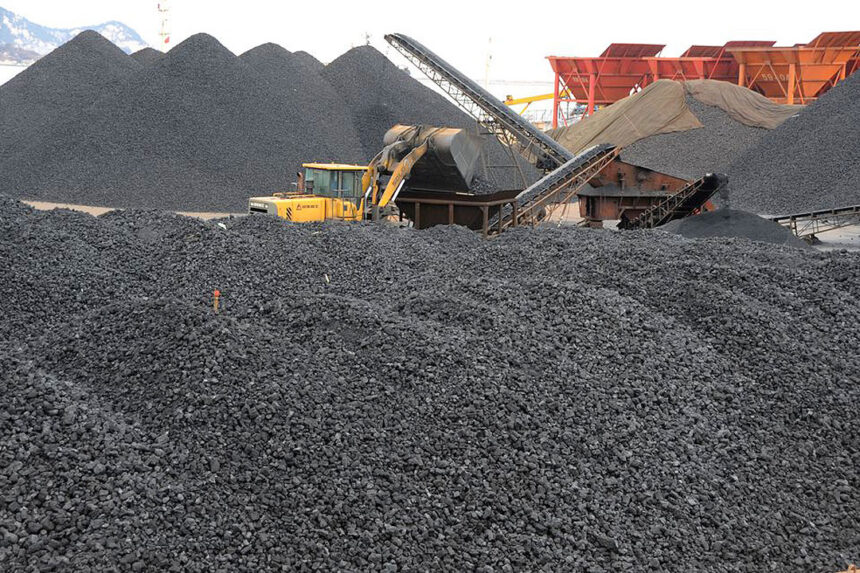
The energy landscape in the Philippines is witnessing a significant shift as San Miguel Corporation, led by Ramon S. Ang, actively explores new opportunities in the government’s latest coal bidding round. During a recent pre-submission conference organized by the Department of Energy, representatives from the conglomerate’s power generation arm, San Miguel Global Power Corp., and its subsidiary, Sual Power, Inc., were present to evaluate the potential of various pre-determined areas. This move is particularly noteworthy as the auction includes a massive mining site currently under the operation of Semirara Mining and Power Corp, the nation’s leading coal producer.
By participating in this high-stakes process, the firm aims to secure its fuel supply chain for its extensive portfolio of coal-fired assets, which currently play a vital role in maintaining the stability of the Luzon grid. The presence of such a major player at the Department of Energy’s briefing underscores the strategic importance of coal in the country’s current energy mix, even as the government pushes for a long-term transition toward renewable sources. For a company with the scale of this organization, acquiring new blocks is not just about expansion; it is about ensuring that its existing facilities, such as the 1,200-MW plant in Pangasinan, have a reliable and cost-effective source of raw materials for years to come.
As the deadline for document submission approaches on April 28, all eyes are on how these industrial giants will navigate the technical and financial requirements set forth by the state to uphold responsible resource development. The conglomerate’s interest signals a shift toward vertical integration, reducing exposure to the high volatility of the global seaborne coal market. By controlling the upstream extraction process, the group can effectively hedge against external price shocks that often impact the retail price of electricity for millions of Filipino households and businesses.
Navigating Regulatory Requirements and Competitive Bidding Dynamics
The Department of Energy has structured this bidding round to cover eighteen distinct coal blocks spread across approximately 18,000 hectares of land, offering a diverse range of geographical opportunities for interested parties. Ten of these blocks are located on Semirara Island in Antique, while others are situated in Isabela and Cagayan, representing some of the most resource-rich areas in the archipelago. For a massive entity like San Miguel, the complexity of these requirements necessitates a meticulous approach to proposal drafting, ensuring that every technical and financial detail aligns with the government’s stringent standards.
Energy Undersecretary Alessandro O. Sales has been vocal about the necessity for bidders to demonstrate not only a robust balance sheet but also a credible plan that prioritizes environmental protection and progressive rehabilitation. This focus on responsible mining is a core tenet of the current administration’s energy policy, seeking to balance immediate energy security with the ethical treatment of local communities and ecosystems. The competition is expected to be fierce, especially with Semirara Mining and Power Corp seeking to retain its long-held contracts and other major players like Meralco PowerGen Corp expressing interest in potential partnerships.
Within this competitive framework, the energy division of the parent company must leverage its decades of operational experience to prove that it can manage these resources more effectively than its rivals. Success in this auction would solidify the group’s position as a vertically integrated energy powerhouse, controlling both the extraction of the fuel and the generation of the electricity that powers the nation. The government’s emphasis on technical capability suggests that only players with proven engineering pedigrees and deep capital reserves will be able to survive the rigorous vetting process scheduled for the late second quarter of 2026.
Long Term Energy Security and the Power Sector Transition
Beyond the immediate tactical gains of winning specific coal blocks, the participation of San Miguel in this auction highlights a broader discussion regarding the Philippines’ path toward energy independence. While the global trend is moving toward decarbonization, the practical reality for a developing nation involves a phased approach where existing coal assets continue to provide the baseload power necessary for economic growth. The group’s diversified portfolio, which includes the significant Mariveles plant in Bataan and the massive Masinloc facility in Zambales, requires a steady stream of fuel to prevent the rolling blackouts that have historically hampered regional productivity.
By securing domestic coal blocks, the company can reduce its reliance on volatile international markets, where price fluctuations can lead to higher electricity bills for end-consumers. The Department of Energy views this auction as a way to strengthen the internal supply chain while simultaneously preparing for the eventual transition of the power sector. High-level executives within the conglomerate understand that their involvement in the coal blocks on Semirara Island or in the northern provinces is a testament to their long-term vision for the country. As the opening of bids takes place, the results will likely dictate the pricing power and operational strategy of the nation’s largest generators for the next decade.
Ultimately, the goal is to create a sustainable energy ecosystem where traditional resources are managed with such efficiency and environmental care that they can coexist with the burgeoning renewable sector. The strategic allocation of capital into domestic extraction serves as a bridge, providing the fiscal stability needed to eventually pivot toward cleaner technologies without sacrificing the current industrial momentum. This balanced approach is essential for maintaining a competitive edge in Southeast Asia, where energy costs remain a primary concern for foreign direct investors looking to establish large-scale manufacturing hubs.
Macroeconomic Displacement and Institutional Capital Allocation Analysis
The 2026 coal block bidding cycle represents a critical inflection point in the Philippine financial landscape, signaling a transition toward a high-autonomy domestic energy model. We analyze that the aggressive interest from San Miguel is not merely an operational necessity but a structural maneuver to mitigate the currency risk associated with fuel imports. From a professional financial perspective, the integration of upstream coal assets into a power generation portfolio indicates a sophisticated deleveraging strategy against global commodity cycles. This suggests that the local energy market is currently entering a phase of consolidation, where major conglomerates are moving to internalize their supply chains to preserve margins in an era of tightening environmental regulations and rising carbon taxes.
Furthermore, we project that the outcome of this auction will act as a localized catalyst for a re-valuation of the utilities and industrial sectors. For institutional investors, this move toward self-sufficiency provides a unique entry point into Philippine infrastructure, as the reduction in imported fuel costs translates to more predictable cash flows and enhanced debt-servicing capabilities for large-scale projects. We observe that the market is already beginning to price in a resilience premium for firms that demonstrate a high degree of resource control. The ability of the Department of Energy to attract such high-caliber bidders during a period of global energy transition proves that the institutional framework of the Philippine power sector remains a reliable destination for capital seeking defensive positioning.
The long-term impact on the regional market will manifest as a structural stabilization of the Wholesale Electricity Spot Market, as domestic fuel sources provide a more consistent price floor compared to imported variants. This transition toward a more localized development model reduces the concentration of risk associated with global shipping disruptions and provides a more stable environment for equity markets related to heavy industry and telecommunications. As corporate governance is strengthened through the alignment of private extraction plans with national environmental mandates, we expect a narrowing of the risk premium for assets located within the Luzon and Visayas grids. The proactive financial stance taken by major domestic players today sets a new standard for navigating the intersection of energy security and sustainable industrialization in the Southeast Asian region.