

Strategic Asset Disposal And Capital Realignment For CENTEL
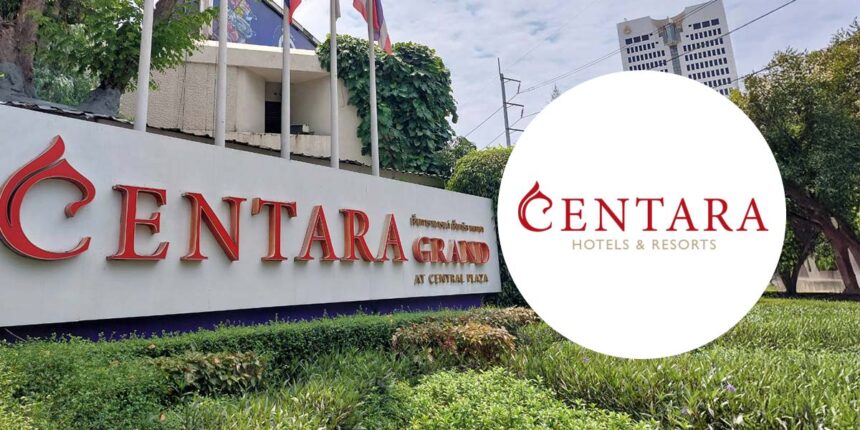
Central Plaza Hotel Public Company Limited, trading under the ticker CENTEL, has officially announced the successful completion of a landmark asset disposal in the Japanese market involving the prestigious Centara Grand Osaka property. It is confirmed that the transaction was executed through its majority owned joint venture, Centara Osaka Tokutei Mokutei Kaisha, in which CENTEL maintains a controlling fifty-three percent stake. This divestment, which was finalized today, represents a sophisticated restructuring of the company’s international portfolio, involving the sale of leasehold rights, the physical hotel infrastructure, and all associated furniture, fixtures, and equipment to Osaka Namba Investors Godo Kaisha.
The deal was meticulously structured through the establishment of a specialized trust designed to hold the assets, followed by the seamless transfer of trust beneficiary rights to the purchasing entity. By offloading these capital intensive assets at a strategic juncture, the management team is demonstrating a commitment to high level fiscal discipline and asset light growth. The total consideration for this massive sale reached an impressive thirty-eight thousand five hundred million Japanese Yen, which translates to approximately eight thousand and eight million Thai Baht based on current exchange rates. This figure represents a substantial premium over the recorded book value of the assets, which stood at approximately four thousand six hundred and ninety-five million Thai Baht at the conclusion of the 2025 fiscal year.
Such a significant valuation gap highlights the company’s ability to identify and develop high value real estate in competitive global markets, ultimately delivering superior returns to its investment base. This strategic exit from a mature asset allows the group to de-risk its balance sheet while retaining the operational upside of the brand. The transaction serves as a benchmark for Southeast Asian hospitality firms looking to monetize international developments while maintaining a dominant management presence. By securing such a favorable valuation, the group has reinforced its position as a savvy operator capable of navigating complex cross border real estate cycles.
Proceeds Utilization And Joint Venture Liquidation Framework
The financial windfall generated from this Japanese divestment provides CENTEL with a versatile pool of capital that will be utilized to strengthen the group’s overall balance sheet and reward its diverse stakeholders. According to the official disclosure, the company intends to prioritize the settlement of all transaction related expenses and the systematic repayment of outstanding loans associated with the development of the Osaka property. By reducing its debt burden, the organization is effectively lowering its interest expenses and improving its credit profile within the regional financial markets. Following the fulfillment of these immediate financial obligations, a significant portion of the remaining funds will be used to return capital to the shareholders of the joint venture.
This process involves the payment of dividends and a structured return of funds, after which the joint venture entity will proceed with a formal liquidation process. This clean exit strategy allows the parent company to extract maximum value from its international ventures while minimizing long term administrative overhead. Throughout this transition, the strategic vision remains focused on maintaining a lean and agile corporate structure that can quickly adapt to changing economic conditions in the Southeast Asian and East Asian hospitality sectors. The ability of CENTEL to execute such a complex cross border transaction according to international regulatory standards further solidifies its reputation as a sophisticated player in the global hotel industry.
This move is expected to enhance the company’s liquidity position, providing the necessary dry powder to pursue new acquisition opportunities or reinvest in existing properties that offer higher yield potential. The liquidation of the specific joint venture entity marks the conclusion of a successful investment cycle, providing a clear template for future international expansions. Shareholders are likely to view the return of capital as a strong signal of management’s focus on total shareholder return and efficient capital allocation. As the company transitions into a more liquid state, its capacity for strategic maneuvering in the post pandemic recovery era is significantly bolstered.
Operational Continuity And Long Term Hospitality Management
While the ownership of the physical real estate has transitioned to new investors, the day to day management and brand presence of the hotel will remain firmly under the CENTEL umbrella. This is achieved through a strategic leaseback arrangement where Centara Osaka Japan Kabushiki Kaisha, a wholly owned subsidiary of the parent group, remains the primary lessee of the site. Under this agreement, the subsidiary will continue to operate Centara Grand Osaka in accordance with its established high standards of service and hospitality, ensuring a seamless experience for guests and corporate clients alike. This operational model allows the company to continue generating management fees and operational revenue without the burden of maintaining a heavy asset base.
The company confirmed that this entire transaction does not constitute a related party transaction and has met all stringent regulatory compliance standards required for companies listed on the Stock Exchange of Thailand. By separating asset ownership from hotel management, CENTEL is following a global trend seen among major international hotel chains that prioritize brand equity and management expertise over land ownership. This strategy not only reduces the risk associated with property market fluctuations but also allows for a more rapid scaling of the brand across different geographies. The continued operation of the Osaka property ensures that the group maintains its strategic foothold in the lucrative Japanese tourism market, which continues to see robust growth.
Moving forward, the focus will remain on delivering a world class Thai hospitality experience in the heart of Osaka, leveraging the local expertise of the subsidiary while benefiting from the global marketing reach of the parent organization. This management centric approach provides a high margin revenue stream that is decoupled from the cyclical risks of real estate ownership. By maintaining the leasehold and management rights, the company preserves its brand visibility in a key gateway city, ensuring that the Centara name remains synonymous with luxury and reliability in the Asian market. The long term lease agreement provides operational stability for the staff and certainty for international travel partners who rely on the group’s consistent service delivery.
Institutional Re-Rating And Strategic Analysis Of Asset Light Transitions
The 2026 strategic divestment of the Centara Grand Osaka represents a watershed moment for the valuation of Thai hospitality equities on the regional stage. We analyze this transaction as a definitive pivot toward an asset light management model that significantly reduces idiosyncratic real estate risk while maximizing return on equity through fee based revenue streams. From a professional financial perspective, the realization of a 70% premium over book value underscores a massive latent value within the group’s international portfolio that had likely been underappreciated by the broader market. This suggests that CENTEL is entering a phase of institutional re-rating where its market capitalization will increasingly reflect its prowess as a high margin service operator rather than a traditional property holding company.
Furthermore, the immediate deployment of capital toward debt retirement and shareholder returns acts as a potent defense against the rising interest rate environment and tightening liquidity in emerging markets. We project that this capital recycling strategy will set a new precedent for Southeast Asian leisure groups, encouraging a broader shift toward capital efficiency and the outsourcing of property ownership to institutional real estate funds. For global asset managers, this transition provides a more transparent and predictable earnings profile, as management fees offer a higher degree of stability compared to the volatile margins associated with direct property ownership and development. The successful liquidation of the Osaka joint venture effectively proves that the company can develop, mature, and exit international assets with high efficiency.
The long term market impact will likely manifest as a structural compression of the risk premium for Thai hospitality firms that successfully implement this management centric framework. As corporate governance and capital allocation strategies become more aligned with international institutional standards, we expect a surge in secondary market demand for regional tourism leaders. This transition facilitates a more fertile environment for sophisticated debt capital market activity, allowing for lower borrowing costs as the business model shifts away from capital intensive land banking. The proactive stance observed in this 2026 outlook confirms that regional hospitality giants can indeed transform localized supply challenges into global institutional stability. By mastering the art of the asset light exit, the group has secured its path toward sustainable, long term economic prosperity and a more resilient financial future.