Strategic Bilateral Partnerships For Global Clean Energy Transition
The recent memorandum of understanding between Indonesia and South Korea marks a transformative step in regional cooperation aimed at securing a sustainable clean energy future. During a high-level meeting at the Blue House in Seoul, President Prabowo Subianto and President Lee Jae-myung solidified a partnership that addresses the urgent need for a shift away from fossil fuel dependency. This agreement serves as a foundational pillar for both nations to promote energy transition strategies that are tailored to their specific economic capabilities and natural resource endowments.
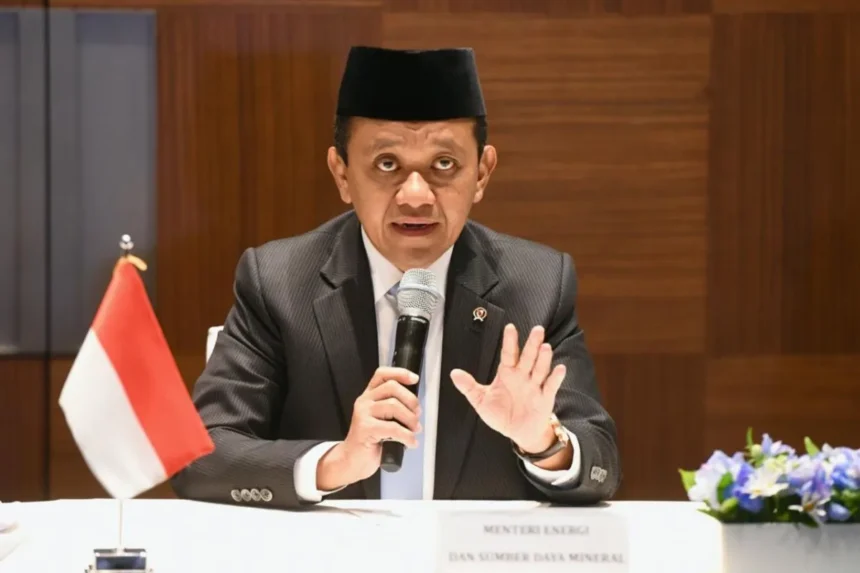
Minister Bahlil Lahadalia emphasized that the utilization of renewable resources is no longer a matter that can be delayed, especially as geopolitical tensions in the Middle East continue to cause significant volatility in global oil and gas prices. By reinforcing national energy sovereignty through these strategic East Asian partnerships, Indonesia is positioning itself to become a resilient player in the green economy. The collaboration is designed to provide a stable energy supply commitment while fostering an environment where innovation can thrive.
This bilateral tie is particularly significant given South Korea’s extraordinary industrial and technological prowess combined with Indonesia’s vast market potential and abundant raw materials. As the global community faces increasing uncertainty, the alignment of these two nations provides a blueprint for how emerging and developed economies can work together to mitigate the threats of climate change and energy insecurity. The focus remains on building a robust foundation that supports long-term independence from traditional energy shocks.
Technological Innovation And Infrastructure Development In Renewables
Within the framework of this newly established MoU, the two countries are focusing their collective expertise on a diverse array of strategic sectors to advance the adoption of clean energy solutions. This includes the large-scale development of solar, wind, and geothermal power, as well as the exploration of future-oriented sources such as hydrogen and nuclear energy. To ensure these intermittent power sources can reliably support a national grid, the partnership places a heavy emphasis on strengthening energy storage systems and improving overall energy efficiency across industrial sectors.
Furthermore, the cooperation extends to bioenergy and advanced waste-to-energy processing, which are critical for managing the environmental footprint of rapidly growing urban centers. Supporting infrastructure is also a major priority, with plans to deploy smart electricity grids and an extensive network of electric vehicle charging stations across the archipelago. The integration of these systems is especially vital for achieving an equal distribution of power to Indonesia’s many energy-independent islands, ensuring that rural and remote areas are not left behind in the transition.
By facilitating technology transfer and encouraging the development of competitive human resources, this collaboration aims to increase the overall investment value of the regional energy market. The commitment to a battery industry that spans from upstream mining to downstream recycling further illustrates a holistic approach to the green supply chain. This integrated strategy ensures that the infrastructure being built today will be capable of supporting the sophisticated energy demands of the next generation.
Industrial Realization And The Future Of Electric Mobility
The practical realization of this clean energy vision is already visible through major industrial projects such as the Hyundai LG Indonesia Green Power factory in Karawang. Operational since mid-2024, this electric vehicle battery facility represents an initial investment of 1.1 billion dollars and signifies the deep economic ties between Jakarta and Seoul. With a production capacity of 10 gigawatt-hours, the plant is capable of powering approximately 150,000 electric vehicles annually, marking a significant milestone in Indonesia’s journey to becoming a global hub for the EV supply chain.
President Lee Jae-myung noted that Indonesia has historically been a stable source of traditional energy like LNG and coal, but the relationship has now evolved to the highest level of diplomatic and industrial synergy. This shift toward high-tech manufacturing and value-added processing is essential for Indonesia to move up the global value chain while meeting its ambitious climate goals. The success of such projects encourages further capital inflows and reinforces the role of international cooperation in achieving a clean energy mandate that is both economically viable and environmentally sound.
As the partnership enters its second half-century of diplomatic relations, the focus is shifting toward sustainable growth that leverages South Korea’s technological leadership and Indonesia’s strategic position in the Southeast Asian market. This evolution from a resource-based partnership to a technology-driven alliance is the surest path to sustaining high economic growth while guaranteeing long-term environmental protection. The ongoing synergy between these two nations will likely serve as a catalyst for broader regional stability and the accelerated adoption of green technologies across the ASEAN corridor.
Strategic Analysis Of Regional Market Impact And Sovereign Resilience
The strategic convergence between Indonesia and South Korea highlights a profound recalibration of the ASEAN economic landscape toward a model of sovereign industrial resilience. From a professional analytical perspective, the transition into a clean energy framework is not merely an environmental choice but a sophisticated de-risking strategy for the regional investment climate. By proactively managing the volatility of global fossil fuel prices through the development of domestic renewable infrastructure, Indonesia is effectively lowering the risk premium for foreign direct investment in high-tech manufacturing sectors.
We analyze that the focus on energy sovereignty acts as a critical stabilizer for the national trade balance, as it reduces the long-term dependency on imported energy sources that often trigger currency instability during periods of geopolitical crisis. Furthermore, the operational success of the HLI Green Power battery factory serves as a powerful signal to global markets that Indonesia is ready to move beyond raw material exports. We project that the successful implementation of smart grids and integrated energy systems will result in a more competitive cost of production across the archipelago, directly challenging established manufacturing hubs.
For institutional observers, the primary metric of success in the 2026 B.I.F.E. sector will be the ratio of homegrown clean energy capacity to total industrial demand. This strategic realignment confirms an expert-level understanding of the intersection between physical resource management and macroeconomic autonomy. By building out these self-reliant frameworks, the region is not just protecting its current growth but is actively constructing the infrastructure for a post-fossil fuel dominance in the global market.
The long-term fiscal benefits of this transition will likely manifest as reduced subsidy burdens and enhanced credit ratings for the participating nations. For market analysts, the integration of the battery industry from upstream to recycling represents a circular economy model that maximizes domestic added value. As the global supply chain for electric mobility matures, the partnership between Jakarta and Seoul provides a stable and reliable anchor for investors seeking exposure to the green transition in emerging markets. This comprehensive approach establishes a global benchmark for how resource-rich nations can successfully navigate the complexities of the 21st-century energy landscape.