Harnessing Artificial Intelligence To Revolutionize The Super App Experience
The digital landscape of Southeast Asia witnessed a transformative moment at the annual GrabX showcase in Jakarta, where the tech giant unveiled a comprehensive suite of thirteen innovative solutions. By integrating a sophisticated layer of artificial intelligence across its ecosystem, Grab has demonstrated a clear commitment to solving complex physical world challenges through a blend of advanced software and new hardware initiatives.
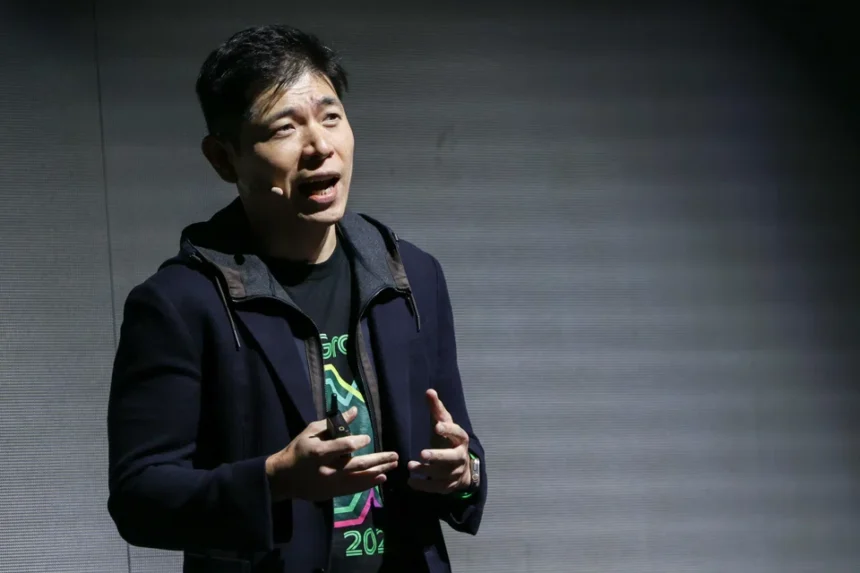
During the event, chief executive officer Anthony Tan emphasized that the company is moving beyond traditional digital boundaries to tackle the messy and physical parts of the service industry that software alone cannot fix. One of the most striking developments is the introduction of robots designed to interact with and manipulate the environment, specifically aimed at boosting the productivity of drivers and delivery partners.
This shift into hardware reflects a strategic pivot toward operational efficiency, as data suggests that riders often waste approximately 10% of their potential earning time navigating large shopping malls or waiting for customers. By utilizing autonomous systems to handle the internal logistics of food collection, the platform allows its human workforce to move to the next job much more quickly, effectively increasing their earning potential.
Empowering Merchants And Drivers Through Intelligent Digital Tools
On the merchant and driver front, the platform is launching a Virtual Store Manager that allows business owners to integrate advanced intelligence into their existing CCTV systems for better operational oversight. This tool provides invaluable insights into store hygiene standards, queue lengths, and footfall traffic, helping small and medium enterprises optimize their conversion rates without requiring expensive new equipment.
To further streamline the kitchen workflow, the introduction of a Cloud Printer ensures that orders are sent directly to the preparation area, negating the need for manual handoffs between the front counter and staff. This device is even capable of pausing a store on the app if it detects a period of inactivity, ensuring that customer expectations are managed in real time.
For the workforce on the road, a new AI assistant named Coach has been developed to handle common tasks like messaging riders while driving and providing guidance on company policies. Over half a million drivers already have access to this tool, with plans to expand it across all markets in the near future. Additionally, the expansion of payment services through Tap to Pay converts any standard smartphone into a contactless payment terminal.
Enhancing Consumer Financial Services And Regional Travel Experiences
The consumer experience is also being redefined through expanded financial services and personalized travel tools that utilize foundational intelligence models. A new Cash Loan product offers unsecured financing based on internal data and automated underwriting, allowing eligible customers to receive loan decisions and funds within mere seconds. This move into inclusive finance is complemented by an in-app assistant that helps users arrange everything.
For those who frequently travel in groups, the Group Ride feature can now sequence trips across multiple endpoints based on real-time traffic conditions to ensure the most efficient route and fair pricing. Furthermore, the integration of GrabMaps with personal calendars allows for precise estimated arrival times across various transport modes, including indoor navigation within complex urban environments.
For the regional traveler, the launch of GrabStays and Discover by Grab provides same-day hotel rates and personalized recommendations based on user preferences. Anthony Tan noted that the company is actively contributing to multiple foundational models to ensure that technology works effectively within the unique cultural and logistical context of Southeast Asia. By pursuing a better outcome for all stakeholders, the platform aims to remain at the forefront of the ongoing technological revolution.
Macro-Financial Impact Of Tech Integration In Southeast Asian Markets
The strategic announcements made at GrabX in 2026 represent a critical evolution in the regional digital economy, moving from a platform-based model to a deep-tech infrastructure play. We analyze that the integration of artificial intelligence into physical hardware, such as store monitoring and autonomous logistics, effectively addresses the productivity bottleneck that has historically limited the margins of super apps. By reducing the time riders spend on non-earning activities, the company is essentially increasing the capacity of its logistics network without adding new labor costs, which is a significant indicator of long-term fiscal sustainability. Furthermore, the launch of the Tap to Pay feature acts as a massive catalyst for the formalization of the informal economy in markets like Indonesia and Vietnam, bringing thousands of micro-merchants into the digital payment fold. This expansion of the fintech ecosystem provides the company with a richer data set for its lending products, creating a virtuous cycle of financial inclusion and platform loyalty that is difficult for traditional banks to replicate.
The pivot toward contributing to foundational AI models specifically for the Southeast Asian context highlights a sophisticated understanding of regional market nuances, such as linguistics and urban density. We observe that this localized approach to technology development creates a high entry barrier for global competitors who may struggle to achieve similar levels of operational precision in the messy, physical parts of the regional trade. Institutional investors should note that the transition into hardware and personalized financial services shifts the company valuation from a simple service aggregator to a vital utility provider for the ASEAN bloc. We anticipate that as these AI-driven solutions scale across multiple markets, the synergy between transport, payments, and automated commerce will drive a significant expansion in the average revenue per user. Ultimately, the successful execution of this hardware-software hybrid model will likely dictate the pace of digital transformation across the region emerging economies for the remainder of the decade, cementing the super app role as a cornerstone of the modern Southeast Asian financial landscape.