Streamlining Subsidies for Greater Efficiency
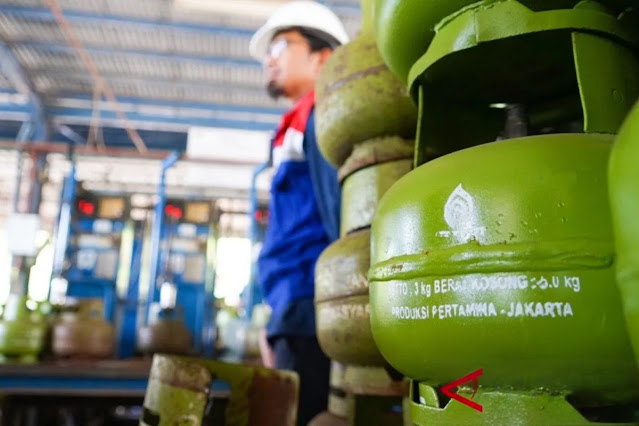
The Ministry of Energy and Mineral Resources is set to introduce a comprehensive new system to verify the data of subsidized 3-kg LPG buyers, with implementation scheduled to begin in 2026. This initiative is a direct response to the inefficiencies and inaccuracies of the current method, which relies on a cumbersome process of repeatedly submitting photocopies of ID cards. According to Deputy Minister Yuliot Tanjung, this old approach makes it difficult for the government to guarantee that the energy subsidy is reaching its intended recipients, which include low-income households, micro-businesses, fishermen, and farmers. The new system is specifically designed to eliminate the need for these redundant ID submissions and will instead align buyer data with their official domicile, a move that is expected to ensure a far more accurate and targeted distribution of subsidized LPG. This strategic overhaul aims to not only make the process more convenient for eligible buyers but also to fundamentally improve the government’s ability to allocate public resources effectively and prevent the misuse of vital energy subsidies.
A Broader Policy Shift to Target Assistance
This upcoming buyer verification system is a crucial component of a much larger, nationwide policy shift. The Ministry of Energy and Mineral Resources is actively working to transition from a commodity-based subsidy model to a more precise, beneficiary-based approach. Under the new framework, the government plans to introduce a single national tariff for the subsidized 3-kg LPG cylinders starting in 2026. This significant change will be enacted through revisions to Presidential Regulations No. 104/2007 and No. 38/2019, reflecting a strategic move to overhaul the country’s energy subsidy program. The successful implementation of this new model is dependent on several critical factors, as noted by the Deputy Minister. These include the readiness of the data infrastructure, the capacity of the physical infrastructure, and, most importantly, a thorough consideration of the community’s social and economic conditions. This ensures that the transition is carried out smoothly and equitably, minimizing disruption for the millions of citizens who depend on the subsidy for their daily needs.
Ensuring a Fair and Equitable Distribution
By implementing a new system for buyer verification and transitioning to a beneficiary-based subsidy model, the government is taking a decisive step toward ensuring a fair and equitable distribution of energy resources. The current system’s inefficiencies often lead to unintended beneficiaries gaining access to the subsidy, which not only places an unnecessary financial burden on the state but also limits the availability of subsidized LPG for those who truly need it. The new approach is designed to rectify this issue by ensuring that the subsidy is allocated directly to the most vulnerable members of society. This will not only improve the lives of low-income families and small business owners but will also foster a more sustainable and economically sound energy policy for the nation. By preventing the leakage and misuse of subsidies, the government can redirect those savings into other essential public services or further support for its citizens. Ultimately, this initiative reflects a commitment to a more transparent and responsible approach to public spending, ensuring that a vital resource is managed with the utmost integrity and fairness.