The Next Evolution of Northern Vietnam’s Industrial Parks
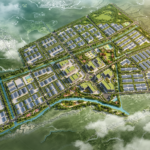
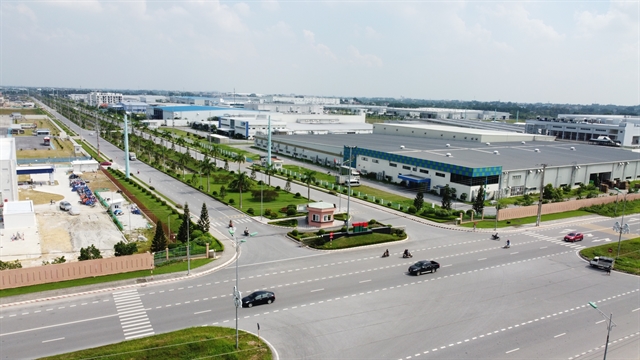
The industrial real estate landscape in Northern Vietnam is poised for a significant transformation starting in 2026, as the region prepares to enter a high-growth phase driven by strategic infrastructure and modern industrial parks. This shift is largely fueled by the completion of massive logistics projects and an influx of foreign direct investment that increasingly prioritizes environmental sustainability. Between 2026 and 2029, the northern provinces are expected to bring online approximately 5,050 hectares of new industrial land, alongside nearly one million square meters of ready-built factories and over 650,000 square meters of high-specification warehouses. In 2026 alone, the market will see a surge in factory supply that creates essential room for the expansion of critical sectors like semiconductors, electronics, and high-tech manufacturing.
Projects such as the Gia Binh International Airport and the expansion of the North–South Expressway are not merely transport upgrades; they are the backbone of a new strategy to reposition the region as a green manufacturing hub. By integrating these industrial parks with deep-sea ports and emerging free trade zones, Vietnam is effectively building a seamless pipeline for global trade. Investors are no longer just looking at the bottom line of rental costs; they are evaluating the long-term expansion potential and the synchronized infrastructure that allows for a rapid scale-up of production. As legal frameworks become more transparent and connectivity improves, the region is becoming an irresistible destination for multinational corporations looking to diversify their supply chains away from traditional hubs and toward a more resilient, technology-driven environment in Southeast Asia.
Prioritizing ESG Standards and Smart Infrastructure Development
As global supply chains restructure, the criteria for selecting manufacturing locations have shifted toward environmental, social, and governance standards, making green industrial parks a prerequisite for high-quality investment. Experts from Cushman & Wakefield Vietnam observe that modern FDI firms are becoming exceptionally selective, demanding that developers provide more than just a plot of land. Carbon-reduction commitments and ESG compliance are now central to the decision-making process, prompting a new generation of development that features renewable energy integration, advanced water recycling, and smart facility management systems.
Recent data highlights a robust market, with total industrial land supply reaching nearly 23,990 hectares by the end of 2025—a massive 42.8% year-on-year increase. Despite this rapid expansion in supply, occupancy rates have remained incredibly solid, particularly in the ready-built factory segment which stands at 86%, reflecting a hungry market for immediate operational space. Developers of these industrial parks are responding by adopting smart energy management and eco-friendly materials to satisfy the stringent requirements of tech giants. This focus on sustainability is not just a trend but a strategic necessity; it ensures that the factories are future-proofed against tightening global carbon regulations.
By offering centralized wastewater treatment and rooftop solar solutions from the outset, these sites allow tenants to hit their net-zero targets while maintaining high-efficiency production lines. The resulting ecosystem is one where high-tech ecosystems can thrive, supported by a digitalized infrastructure that facilitates automation and real-time logistics tracking, which are critical for the semiconductor industry. The shift toward higher technical standards also accommodates the sophisticated machinery required for precision engineering, ensuring that the northern region remains the primary choice for complex assembly operations in the coming years.
Building a Green Production Belt Across Satellite Localities
A new geographical trend is emerging as investment gradually shifts from saturated core hubs to satellite localities such as Hung Yen, Ninh Binh, and Phu Tho, creating an interconnected production-logistics belt. While Hai Phong and Bac Ninh continue to serve as the primary anchors due to their deep-sea port access and established electronics ecosystems, these neighboring provinces provide the essential land reserves needed for massive, large-scale projects at more competitive costs. This emerging belt is designed with green planning as its foundational principle, ensuring that new industrial parks are integrated into a sustainable regional network.
The development of this production belt is critical for strengthening the North’s long-term competitiveness on the global stage, especially as multinational corporations seek “plus-one” strategies to mitigate geopolitical risks. The integration of technical standards that support digitalized production and high-automation supply chains ensures that the region remains at the forefront of the Fourth Industrial Revolution. Experts believe that the combination of scalable land banks and a commitment to sustainable development gives Northern Vietnam a clear edge over regional competitors. As the free trade zone plans materialize and more high-spec warehouses are completed, the synergy between manufacturing and logistics will become even more profound.
This evolution ensures that the northern region does not just grow in size, but also in the quality of its output, securing its position as a vital node in the global semiconductor and high-tech supply chain for decades to come. With a strategic focus on talent development and technical training in these satellite areas, the region is also addressing the long-term need for a skilled workforce capable of operating in advanced green facilities. The transition represents a holistic upgrade of the national industrial framework, moving from labor-intensive models to a capital-intensive, sustainable future.
Macroeconomic Displacement and Regional Supply Chain Resilience Analysis
The structural pivot toward a green industrial ecosystem in Northern Vietnam represents a sophisticated maturation of the regional B.I.F.E. landscape. We analyze that the coordinated expansion across satellite provinces will act as a significant catalyst for diversified FDI inflows, effectively moving the national economy up the value chain from basic assembly to complex high-tech fabrication. From a professional Investment and Finance perspective, the massive injection of capital into green-certified facilities creates a more stable long-term asset class for institutional investors who are increasingly bound by global sustainability mandates. This shift is not merely environmental; it is a financial defensive mechanism against future carbon adjustment taxes in export markets like the European Union.
We observe that the current occupancy rates, particularly the 86% standing in ready-built factories, indicate a profound supply-side lag that warrants aggressive institutional interest in industrial REITs and private equity infrastructure funds. The formation of a green production belt also serves as a localized hedge against the systemic risks of over-concentration in traditional hubs. By diversifying the industrial footprint toward Hung Yen and Phu Tho, the government is mitigating the inflationary pressures on land and labor that have begun to manifest in core areas. This spatial distribution is essential for maintaining the long-term price competitiveness of the electronics and semiconductor sectors against regional peers who are also competing for high-value manufacturing relocation.
Furthermore, the integration of a free trade zone linked to deep-sea ports will structurally lower the total landed cost of goods, providing a logistical velocity that justifies the average rent increase to US$135 per square meter. We project that as global supply chains continue to de-risk, the synergy between sustainable development and high-capacity infrastructure will position Northern Vietnam as the primary beneficiary of the next wave of capital migration. Analysts should note that the transition to smart, eco-friendly clusters is no longer a peripheral marketing strategy but the core pillar of economic resilience for the 2026-2030 cycle. The ability of regional planners to maintain transparent legal frameworks while delivering these advanced utilities will ultimately determine the region’s sovereign credit trajectory and its role as a permanent pillar of the global tech supply chain.