National Strategic Goals For Breeding Cattle And Food Sovereignty
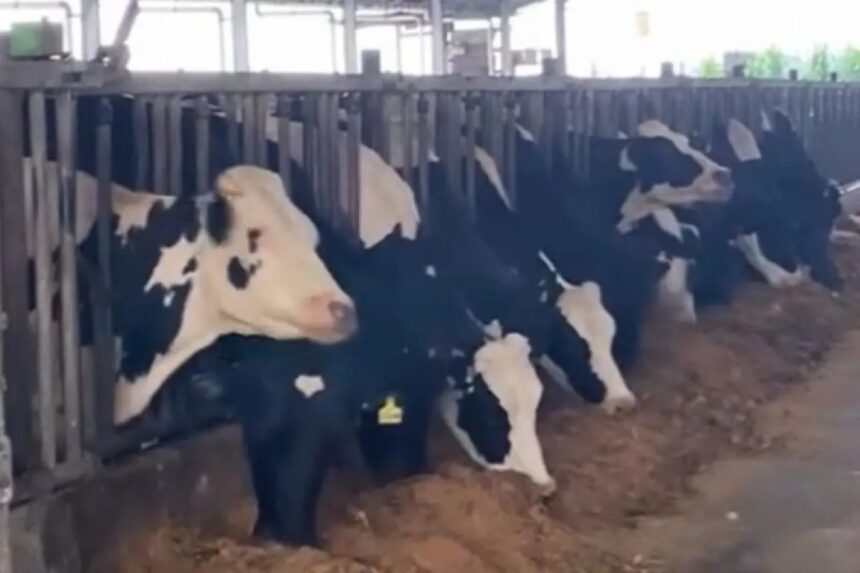
The Coordinating Ministry for Food Affairs has officially announced an ambitious roadmap to significantly bolster the national population of breeding cattle by targeting an increase of 2 million head by the year 2029. This strategic initiative is designed to address the persistent gap in domestic meat and milk production, ensuring that the country moves closer to the overarching goal of total food self sufficiency within the current decade. During a high level international meeting focused on sustainable livestock industry transformation, officials emphasized that while certain sectors like poultry and egg production have already achieved impressive milestones, the red meat sector requires a specialized and accelerated intervention. This move represents a foundational shift in how the nation approaches agricultural security, prioritizing the creation of a high quality biological reserve that can sustain long term growth across the archipelago.
Projections indicate that broiler production is on track to reach 5.4 million tons, yet the beef and dairy industries continue to face structural challenges due to limited livestock populations. By focusing specifically on high quality breeding cattle, the government aims to create a sustainable biological foundation that can support the nutritional needs of millions of citizens. This move is particularly critical given the anticipated rise in demand driven by the Free Nutritious Meals program, which is expected to transform consumption patterns across the archipelago. Reducing a heavy reliance on international imports is not just an economic necessity but a matter of national security and sovereignty. The strategic focus on genetic improvement will ensure that the new herds are resilient to local climate conditions while maximizing the output of essential protein and dairy resources.
The ministry is working to ensure that every step of the breeding process is optimized through scientific pathways and modern agricultural techniques. By securing these additional millions of animals, the administration provides a clear signal to investors and local producers that the livestock sector is a primary pillar of the nation’s future economic and nutritional stability. The integration of high tech monitoring and genetic selection will be paramount in ensuring that the 2029 targets are met with high quality yields that can compete with international benchmarks in the global agricultural market. This comprehensive approach involves the collaboration of veterinary scientists, data analysts, and logistical experts to ensure that the health and productivity of the national herd are maintained at peak performance levels throughout the transition.
Empowering Local Cooperatives Within The Livestock Supply Chain
To ensure that the benefits of this livestock expansion reach the grassroots level, the ministry is actively promoting the role of Red and White Village Cooperatives as central players in the distribution and processing of products derived from cattle. These cooperatives are envisioned as sophisticated platforms that allow small scale farmers to pool their resources, access modern technology, and integrate seamlessly into the supply chain of the Free Nutritious Meals program. By functioning as localized distribution and processing hubs, these community based organizations can bridge the gap between rural production and urban consumption. This decentralization of the supply chain is intended to reduce the logistical costs typically associated with moving perishable goods across vast distances.
The government believes that this cooperative model will open significant opportunities for youth participation in the agricultural sector, fostering a people based economy where the youth can leverage digital tools to manage traditional livestock assets. This approach reflects a deep commitment to food sovereignty, where local communities are empowered to produce, manage, and directly benefit from improved nutritional standards. The integration of breeding cattle into these village networks ensures that the wealth generated from the livestock industry stays within the community, rather than being siphoned off by middle men or international suppliers. By providing younger generations with a stake in the national food security agenda, the state is effectively modernizing the image of farming as a high tech and profitable career choice.
Furthermore, these cooperatives will receive specialized training and equipment to handle the processing of both beef and dairy products, ensuring that they meet the rigorous health and safety standards required for large scale government programs. By transforming small farms into organized economic units, the state is effectively creating a resilient buffer against global food price volatility. This structural shift towards cooperative management is expected to revitalize rural areas, making the livestock industry an attractive career path for the next generation of Indonesian agropreneurs who seek to combine social impact with financial success. The success of this model depends on the ability of local leaders to implement standardized quality controls that guarantee the safety and nutritional value of every product delivered to the national school meal system.
Land Investment Strategies And Regional Development Projects
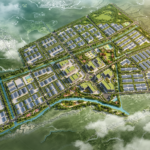
In support of the massive scale up in the livestock population, the Ministry of Agriculture has identified and prepared 1.5 million hectares of dedicated land for investment in both dairy and beef cattle development. This vast territorial allocation is intended to attract domestic and foreign investors who can provide the capital and expertise needed to manage large scale breeding operations efficiently. To further streamline this process, the ministry has proposed 21 specific locations to be designated as National Strategic Projects, which will grant these areas priority status for infrastructure development and regulatory ease. This massive land bank represents one of the largest sectoral allocations in the nation’s history, highlighting the gravity of the 2029 production targets.
These strategic zones are selected based on their environmental suitability, proximity to transport hubs, and existing agricultural heritage, ensuring that the new cattle populations have access to the best possible grazing and water resources. The government is committed to ensuring that these land investments are managed sustainably, utilizing scientific pathways to minimize the environmental footprint of expanded livestock production. By concentrating efforts in these 21 locations, the administration can more effectively monitor health standards, provide veterinary support, and coordinate the logistics of moving products to market. This geographic concentration allows for the creation of specialized livestock hubs where ancillary services, such as feed mills and slaughterhouses, can be co-located to maximize operational efficiency.
This coordinated land use policy is a vital component of the broader 2029 target, providing the physical space necessary for the 2 million additional animals to thrive. Investors are being encouraged to participate in a model that prioritizes not only profit but also the long term nutritional goals of the nation. As these National Strategic Projects move from the proposal phase to active implementation, they are expected to create thousands of jobs and stimulate local economies across diverse provinces. The synergy between massive land availability and targeted breeding goals represents a holistic approach to agricultural reform, positioning the nation as a rising leader in regional food production. The ultimate goal is to create an investment climate that balances rapid industrial growth with the preservation of local ecological and community interests.
Institutional Re-Rating And The Strategic Valuation Of Livestock Infrastructure
The 2026 strategic roadmap for the Indonesian livestock sector marks a definitive shift in the valuation methodology for regional agricultural conglomerates, signaling a transition toward a high transparency food security model. We analyze that the target of 2 million breeding cattle is not merely a logistical goal but a structural effort to align national food policy with global institutional benchmarks for supply chain resilience. From a professional financial perspective, the integration of these livestock assets into the Free Nutritious Meals program provides a layer of institutional gravity that is essential for re-rating the agricultural sector in the eyes of global credit analysts. This transition suggests a maturing market where protein production is viewed as a stable infrastructure asset class.
This suggests that the local market is currently entering a phase of institutionalization, where the ability to manage complex nutritional margins and domestic supply disruptions outweighs the traditional focus on small scale commodity trading. Furthermore, we project that the designation of 21 National Strategic Projects for livestock development will act as a localized buffer against the tightening liquidity conditions currently pressuring emerging market equity benchmarks. For institutional investors, this proactive shift in land use policy provides a unique entry point into the Southeast Asian growth narrative, as it ensures that operational margins are prioritized through government backed infrastructure. This alignment between state policy and private capital is expected to lower the cost of debt for major agricultural players.
The long term impact on the regional market will manifest as a structural stabilization of agricultural valuations, as standardized breeding protocols and improved cooperative logistics reduce the idiosyncratic risks historically associated with the Indonesian livestock industry. This transition toward a more predictable development model provides a more fertile environment for secondary offerings or debt capital market activity in the food and beverage space. As corporate governance within the livestock industry is strengthened through rigorous resource auditing and strategic realignment, we expect a narrowing of the risk premium for large scale producers. The proactive financial stance observed in this 2026 outlook sets a new standard for how national food ministries can transform global supply challenges into institutional stability and sustainable economic prosperity through disciplined resource management.