Strategic Investment by TVS in the Future of Vietnamese Green Mobility
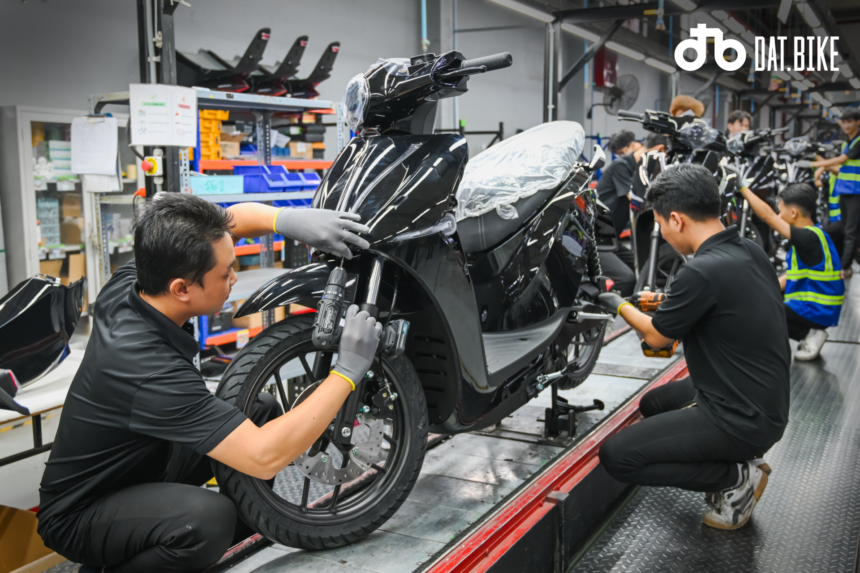
The Vietnamese financial landscape recently witnessed a significant milestone when the reputable investment bank known as TVS announced a substantial 4 million dollar investment in Dat Bike. This capital injection, which occurred during the electric motorbike manufacturer’s Series B funding round, represents a bold step by TVS into the burgeoning electric vehicle sector. By aligning with a pioneer in domestic manufacturing, the firm is reinforcing its commitment to technological innovation and sustainable development within the regional economy. The funds are earmarked for critical operational upgrades, including the expansion of production capacity and the strengthening of the local supply chain.
Furthermore, this financial support will allow Dat Bike to upgrade its distribution networks and intensify its research and development efforts, which is essential for its upcoming phase of regional market penetration. Beyond the mere provision of capital, the bank provides extensive management consulting and value chain optimization strategies to ensure long-term operational efficiency. This proactive investment approach highlights a shift in Vietnamese private equity toward high-quality, value-driven partnerships that prioritize the creation of a robust domestic ecosystem. As the private sector continues to serve as a primary engine for national economic growth, such strategic alliances are vital for enhancing the competitiveness of homegrown industries against international players. The partnership reflects a shared vision of modernization where financial resources are paired with deep market expertise to address pressing societal needs through sustainable business models.
Navigating the Global Transition Toward Net Zero and Clean Energy
As the global community accelerates its journey toward the Net Zero goal by 2050, the emergence of green mobility has become an undeniable trend that forward-thinking firms like TVS are eager to lead. With over 77 million motorbikes currently in circulation across Vietnam and approximately 3 million new units sold annually, the country stands as one of the most significant two-wheeler markets on the planet. This massive volume presents both a challenge for emission reduction and a golden opportunity for domestic enterprises that possess in-house capabilities for design and manufacturing.
The decision by TVS to back Dat Bike is rooted in the belief that local technological mastery is the key to encouraging a nationwide transition to clean energy vehicles. By leveraging indigenous research and manufacturing, the partnership aims to build a comprehensive electric vehicle ecosystem that reduces the environmental footprint of urban transportation. The CEO of the investment firm, Nguyen Thanh Thao, has pointed out that this movement is not just about environmental responsibility but also about capturing the immense growth potential of a market in transition. This strategic orientation toward responsible investment ensures that financial returns are accompanied by positive social impacts, particularly in terms of air quality and urban sustainability. The collaboration serves as a testament to the growing recognition of Vietnam’s internal technological capabilities, proving to international observers that domestic investors are capable of driving sophisticated, high-tech development cycles without solely relying on foreign expertise.
Empowering Vietnamese Technology for International Market Competitiveness
The long-term vision of this collaboration extends far beyond domestic borders, as it aims to demonstrate the ability of Vietnamese-made technology to conquer international markets under the guidance of TVS. According to the founder of Dat Bike, Nguyen Ba Canh Son, the continued support from a reputable domestic investor signifies a profound belief in the scalability of their specialized growth strategy. As a strategic financial partner, TVS is dedicated to accompanying the manufacturer through the complexities of diversifying its product lineup and improving the overall scale of its services.
This partnership is expected to facilitate better access to capital markets, which is a crucial component for any high-tech firm looking to sustain its competitive edge in the global arena. The commitment to enhancing R&D capabilities ensures that the technology remains at the cutting edge of efficiency and performance, catering to the evolving demands of modern consumers who prioritize both speed and sustainability. This move also aligns with the broader national goal of enhancing the competitiveness of domestic businesses in key industries, ensuring that Vietnam does not remain merely a consumer of technology but becomes a significant contributor to the global green economy. As the partnership matures, it will likely serve as a blueprint for other domestic investment banks to engage more deeply with pioneering startups that are focused on solving societal challenges. The ultimate success of this initiative will be measured by its ability to create long-term value for investors while simultaneously making a practical and lasting contribution to the country’s ambitious net-zero journey.
Macroeconomic Impact and Domestic Capital Maturity Analysis
The strategic entry of a prominent Vietnamese investment bank into the electric vehicle manufacturing space marks a pivotal shift in the regional B.I.F.E. landscape for 2026. We analyze that this 4 million dollar commitment serves as a critical signal to both local and international institutional investors regarding the bankability of domestic green-tech startups. From a professional Investment and Finance perspective, the participation of a local player in a Series B round traditionally dominated by foreign venture capital indicates a maturing of the local private equity ecosystem and a higher appetite for risk-adjusted returns in the sustainability sector. We observe that the integration of management consulting and capital market access alongside direct funding creates a smart capital model that significantly lowers the default risk of the target entity. This holistic approach to value chain optimization is essential for mid-stage manufacturers facing the high capital expenditure requirements of expanding production lines in a competitive regional market.
Furthermore, we project that the infusion of domestic capital will act as a catalyst for a localized supply chain cluster, reducing dependency on imported components and hedging against future currency volatility. This is particularly relevant given the current inflationary pressures on raw materials and the strategic need for sovereign energy independence. Analysts should note that the high occupancy of the two-wheeler market in Vietnam provides a unique defensive moat for electric motorbike manufacturers, as the transition is driven by existing utility rather than purely discretionary spending. The fiscal multiplier effect of such an investment is substantial, as it creates high-value engineering roles and stimulates the domestic R&D ecosystem. By successfully scaling a local brand, TVS is essentially underwriting the technical credibility of the Vietnamese industrial sector on the global stage.
Ultimately, the synergy between a sophisticated financial institution and a high-tech manufacturer represents a structural upgrade for the national economy. We emphasize that for long-term investors, the ability of domestic firms to achieve scale through specialized R&D will be the primary determinant of Vietnam’s role in the ASEAN green transition. This partnership likely heralds a surge in merger and acquisition activity and initial public offering listings within the renewable transport sector as the 2030 sustainability mandates draw closer. The successful execution of this growth strategy will not only yield significant financial dividends but also establish a benchmark for how domestic finance can accelerate the adoption of disruptive technologies. We conclude that this transaction reinforces Vietnam’s position as a burgeoning hub for sustainable manufacturing, shifting the regional narrative from labor-intensive assembly to capital-intensive, high-tech innovation.