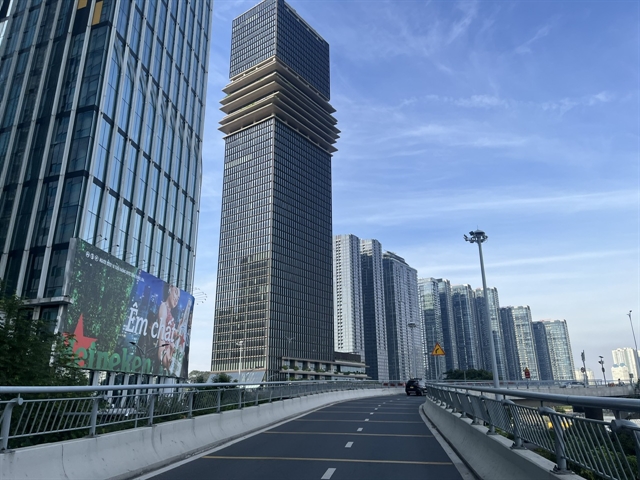
The Surging Momentum of Mega Township Projects Nationwide
The landscape of the Vietnamese real estate sector is undergoing a monumental transformation as twenty-seven massive urban development projects, representing a combined investment of over VNĐ3 quadrillion, take center stage in 2026. This aggressive push toward creating expansive new townships highlights a national strategy to modernize the country’s housing and service infrastructure through projects that span hundreds, and in some cases, thousands of hectares. According to a comprehensive report by S&I Ratings, more than half of this enormous capital injection is spearheaded by industry titans such as Vingroup and Sun Group, reflecting a highly competitive environment where large-scale urban complexes have become the primary focus of development.
In the northern region, nine mega projects are currently in various stages of planning or construction, with the most significant being a proposed Olympic sports urban area in Hà Nội. Developed by Vingroup with an estimated investment of $35.6 billion, this site spans more than 9,000 hectares and stands to become the largest urban development in the country’s history. Meanwhile, the Hạ Long Xanh integrated project in Quảng Ninh is set to become a massive tourism hub, covering 4,000 hectares with a $17.5 billion valuation. These developments are not just about adding housing units; they represent the birth of entire mini-cities designed to integrate residential, commercial, and recreational services into a single, cohesive ecosystem.
Regional Expansion and the Impact of Infrastructure Connectivity
Central and Southern Việt Nam are also witnessing a historic wave of expansion, with eighteen mega projects combined across these regions that are fundamentally reshaping the regional real estate landscape. In Central Việt Nam, the Cam Lâm urban area in Khánh Hòa Province stands out as a flagship development, spanning over 10,000 hectares with an investment of nearly $11 billion. This project, alongside the Tu Bông new urban area developed by Sun Group, illustrates how developers are looking beyond the traditional hubs of Hà Nội and Ho Chi Minh City to find value in emerging coastal regions. The Southern region is equally active, hosting ten mega projects, including the highly anticipated Cần Giờ sea-reclamation tourism urban area.
Many of these southern developments are currently navigating the early stages of investment approval, yet they are already drawing significant attention from investors. Experts like economist Đinh Trọng Thịnh suggest that recent legislative resolutions passed by the National Assembly have been instrumental in removing previous bottlenecks related to land clearance and compensation. This improved legal framework, paired with a massive expansion of transport infrastructure, has created a fertile environment for this new wave of development. As highways and bridges connect previously isolated land banks, the potential for high-yield property ventures has skyrocketed.
Market Affordability Challenges and the Need for Product Diversity
While the influx of massive urban developments signals economic growth, it simultaneously brings the real estate market to a critical crossroads regarding pricing and supply absorption. Data from the Ministry of Construction indicates that housing prices have consistently surged by 10 to 15 percent annually, with certain periods witnessing drastic spikes of up to 30 percent. In Hà Nội, the cost of primary apartments reached nearly 100 million dong per square metre last year, a staggering 40 percent increase from 2024, while Ho Chi Minh City saw prices climb to 111 million dong per square metre. This rapid inflation has significantly outpaced income growth, sparking concerns that many households are being priced out.
Analysts warn that the current trend of focusing on high-end mega developments could lead to an oversupply of luxury units that the average consumer cannot afford. Lê Hoàng Châu, chairman of the HCM City Real Estate Association, has urged developers to diversify their offerings to include more affordable housing products to ensure market stability. Furthermore, the financial pressure on developers is intensifying due to rising lending rates and potential delays in legal procedures, which can eat into profit margins and stall project timelines. For these mega-townships to be truly successful, they must move beyond being purely speculative assets and become functional living spaces that cater to a wide demographic spectrum.
Macroeconomic Displacement and Institutional Capital Allocation Analysis
The unprecedented scale of urban development projects in 2026 marks a structural shift in Vietnam’s B.I.F.E. landscape, moving toward a model of institutionalized township management. We analyze that the concentration of capital within a handful of top-tier developers creates a localized monopoly on massive land banks, which could dictate long-term pricing trends across the entire peninsula. From a professional financial perspective, the $115 billion investment represents a significant percentage of national GDP, effectively tying the stability of the banking sector to the successful absorption of these units. We observe that the 2025-2026 period has seen a flight to quality, where institutional investors are bypassing smaller developments in favor of these mega-complexes that offer better integrated amenities and higher perceived safety. This shift is a direct response to the refined legal frameworks that have standardized land compensation, reducing the historical risks associated with frontier property investment.
Furthermore, we project that the primary challenge for the 2026-2030 cycle will be the widening gap between premium asset valuations and the actual purchasing power of the domestic middle class. The 40 percent price surge in the capital city suggests an overheated secondary market driven by speculative capital rather than organic residential demand. For developers, the rising interest rate environment necessitates a pivot toward faster inventory turnover, which may finally force the introduction of mid-market and affordable segments within these luxury townships. We conclude that while these projects are essential for modernization, they represent a high-stakes bet on Vietnam’s continued industrialization. If the industrial parks associated with these new urban areas fail to generate the expected high-income jobs, the market may face a liquidity crunch as high-end supply exceeds the depth of the local buyer pool. Success in this era will be defined not by the height of the towers, but by the density of actual occupancy and the sustainability of debt servicing across the corporate landscape.