Groundbreaking Progress For The QuynhLap Thermal Power Plant
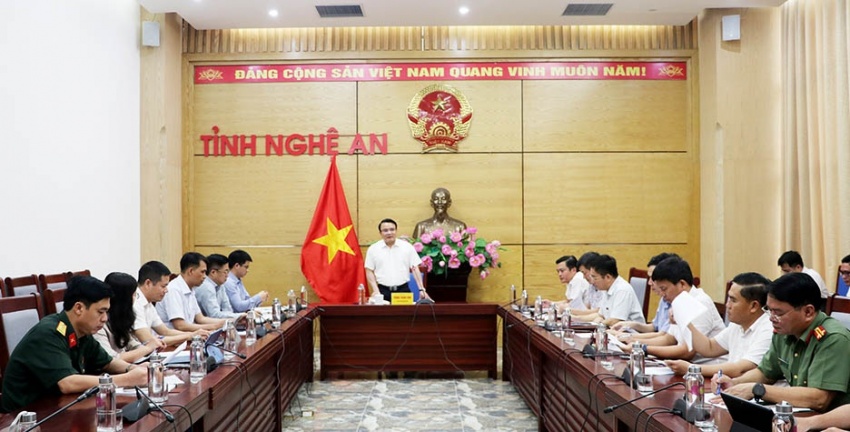
The energy landscape of Vietnam is poised for a significant transformation as local authorities prepare for the official launch of the QuynhLap LNG thermal power plant project. During a recent high level meeting organized by the Nghe An People’s Committee, officials confirmed that plans for the groundbreaking ceremony have been finalized to commence between May 12 and May 15 of 2026. This landmark event represents a critical milestone for the QuynhLap facility, which is designed to play a vital role in stabilizing the regional power grid and supporting long term industrial growth. The Department of Industry and Trade reported that the investor and provincial leaders have reached a firm agreement on the timeline, ensuring that all logistical preparations are aligned with the national energy strategy.
To facilitate this progress, the Tan Mai Ward Compensation and Resettlement Support Council has already completed the valuation of assets on the designated land, with property owners generally agreeing to the terms and even proposing advance payments for compensation. This collaborative spirit between the local community and the developers has allowed the land to be officially handed over to the investor as of early April. As the province moves forward, the focus has shifted toward the massive infrastructure requirements needed to support such a large scale operation. This includes the careful planning of connecting roads and the strategic routing of 500 kV power lines that will link the plant to the national transmission network.
The commitment from provincial leaders like Vice Chairman Phung Thanh Vinh underscores the urgency of this project, as it is viewed as a primary engine for socio economic development in the area. By adhering strictly to the established timelines, the administration aims to demonstrate its capacity for executing complex industrial projects that attract further international investment into the energy sector. This proactive approach to land clearance and infrastructure planning is expected to mitigate common development risks, providing a clear pathway for the investor to begin the primary construction phase without the typical administrative bottlenecks found in large scale energy ventures across the region.
Technical Infrastructure And Strategic Energy Security Solutions
As a centerpiece of regional infrastructure, the QuynhLap project is engineered with a massive designed capacity of 1,500 MW to meet the rising demand for electricity. The facility will utilize two advanced combined cycle gas turbine units, each capable of generating 750 MW of power with high thermal efficiency and lower carbon emissions compared to traditional coal plants. Central to the operation of the QuynhLap site is an extensive liquefied natural gas storage facility with a volume of approximately 250,000 cubic meters, which will provide a reliable buffer for fuel supplies. The technical scope of the development also includes a state of the art regasification system and a dedicated deepwater port specifically designed to receive massive LNG vessels of up to 150,000 tons.
To keep these turbines spinning, the projected fuel demand is estimated at 1.15 million tons of imported LNG annually, necessitating a highly coordinated global supply chain. Local authorities in Tan Mai Ward have been actively implementing on the ground preparations to ensure that the physical footprint of the plant is ready for immediate construction following the mid May ceremony. This involves the marking of precise boundaries by the Department of Agriculture and Environment and the Provincial Land Registration office to prevent any delays in the land clearance process. Furthermore, the provincial government is concurrently investing in essential social infrastructure, such as new resettlement areas, cemeteries, and schools, to ensure that the local population is well supported.
This holistic approach to development ensures that the technological advancements of the power sector are matched by improvements in the quality of life for the surrounding residents. The integration of such comprehensive technical infrastructure highlights the project’s importance in ensuring long term energy security and resilience for the entire northern region of the country. By diversifying the energy mix and moving away from coal dependence, the province is aligning itself with global sustainability trends while maintaining the high capacity baseload required for industrialization. The regasification capabilities at the site will also serve as a strategic asset, potentially allowing for future distribution of natural gas to neighboring industrial zones.
Regional LNG Adoption And Industrial Multipliers
The commencement of the QuynhLap project marks a decisive shift in the northern Vietnamese industrial corridor, signaling a transition toward gas to power solutions that will fundamentally alter regional energy dynamics. From a professional analyst’s perspective, this 1,500 MW facility acts as a critical anchor for the Southeast Economic Zone, providing the energy reliability necessary to attract high tech manufacturing and heavy industrial investors who require stable, high voltage power. We analyze that the successful integration of a dedicated LNG port capable of handling 150,000 ton vessels effectively integrates Nghe An into the global maritime energy trade, reducing the province’s reliance on domestic hydropower which is increasingly susceptible to seasonal climate volatility.
Furthermore, the strategic routing of 500 kV transmission lines indicates that the project is not merely a local utility but a core component of national energy security. This infrastructure will likely drive a significant appreciation in regional land values and stimulate secondary capital expenditures in transport and logistics. We observe that the proactive social management, including the early completion of resettlement valuations and school construction, serves as a de risking mechanism for institutional investors. This model of community engagement reduces the probability of legal delays, which historically represent the highest cost overrun risk for energy projects in the ASEAN region. Consequently, the project is expected to trigger a re rating of the province’s investment profile, attracting diversified FDI from energy majors seeking stable jurisdictions.
Finally, the projected annual import of 1.15 million tons of LNG creates a sustained demand for specialized maritime services and regasification expertise, fostering a new niche within the local labor market. This shift supports a broader trend of decarbonization in the Vietnamese economy, providing a blueprint for the retirement of older, less efficient thermal units in favor of gas turbines. We conclude that the high level of provincial coordination demonstrated in the April 2026 meetings is a leading indicator of project success. By securing the energy supply through comprehensive regasification and storage infrastructure, the region is effectively future proofing its industrial base against future electricity shortages, ensuring long term economic competitiveness and providing a robust platform for financial growth through the next decade.