Solar Energy Strategic Push at the Village-Level
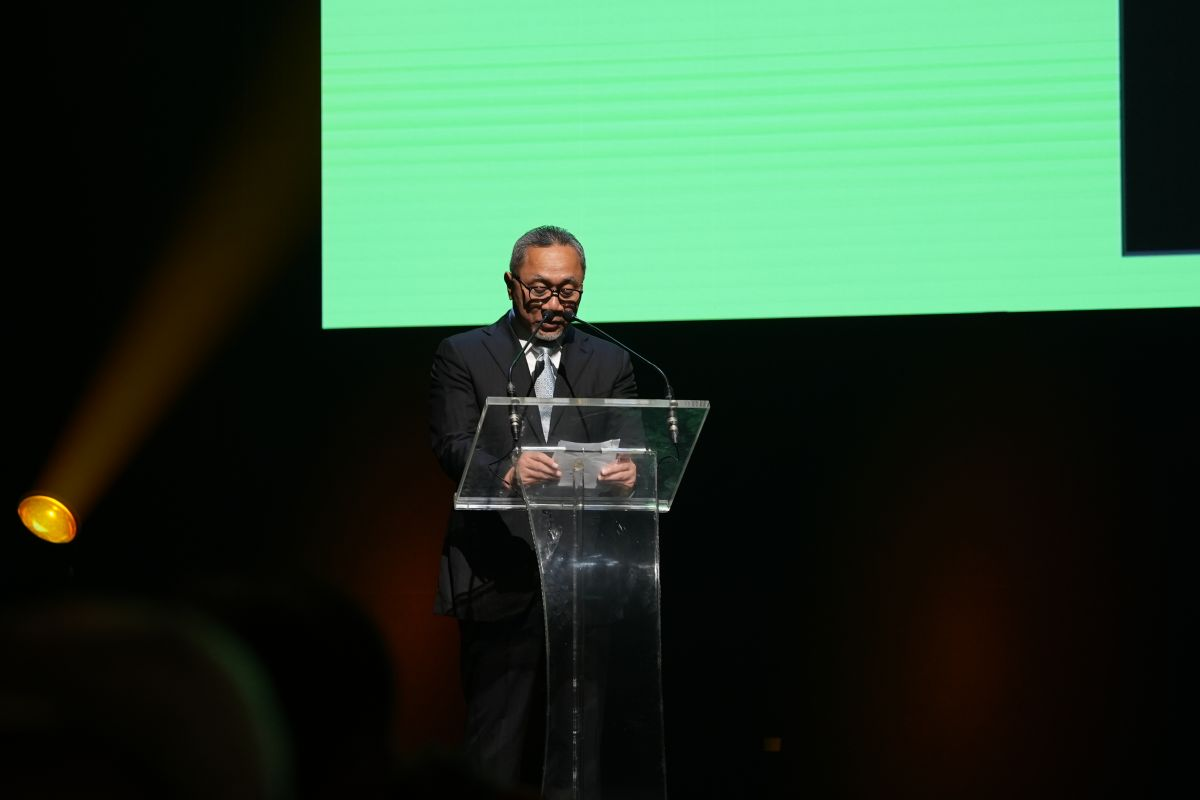
The Indonesian government is in the final stages of preparing a presidential regulation aimed at promoting the establishment of solar power plants (PLTS) in villages throughout the country, a key step towards achieving national energy self-sufficiency. Coordinating Minister for Food Zulkifli Hasan, speaking at the Indonesia Net-Zero Summit 2025, announced that this crucial regulation is expected to be completed and signed as early as next week. He also revealed that he will be leading a new Task Force specifically dedicated to accelerating self-sufficiency in three critical areas: food, water, and energy. Hasan detailed ambitious plans to construct solar-powered plants with an estimated investment of around US$100 billion, and this initiative is designed to work in synergy with President Prabowo Subianto’s Red and White Villages Cooperatives program. Since its launch on July 21, this program has already successfully established approximately 80,000 cooperatives nationwide, providing a ready-made framework for the integration of these new energy projects and ensuring a grassroots-led approach to sustainable development.
Redirecting Subsidies to Fund Renewable Energy
The minister highlighted a significant and long-term financial strategy to support this renewable energy transition. He pointed out that Indonesia currently spends a substantial US$25 billion annually on energy subsidies, an expenditure that he anticipates will be gradually eliminated through the widespread adoption of solar power. Hasan projected that by strategically redirecting these subsidy funds towards the development and installation of solar panels, Indonesia could become free from the burden of energy subsidies within the next four to five years. The ambitious goal is to install PLTS in every one of the 80,000 village cooperatives. Each cooperative is expected to allocate between one to 1.5 hectares of its land specifically for these power plants. This model not only provides a scalable solution for energy production but also ensures that the benefits of clean energy are directly integrated into the economic and social fabric of local communities, promoting energy independence from the ground up.
Building an Integrated and Efficient Energy System
According to Minister Hasan, the large-scale installation of these PLTS will lead to the creation of integrated electricity systems that seamlessly connect villages, sub-districts, and districts. This interconnected network is expected to significantly enhance overall electricity efficiency and reliability. The minister explained that this initiative is particularly crucial because it addresses the current high costs associated with power transmission through the state-run electricity company, PLN. By decentralizing energy production, the country can reduce its reliance on a centralized grid and the high infrastructure costs that come with it. Hasan expressed strong optimism that Indonesia will achieve true energy sovereignty, particularly in the realm of new and renewable energy, within less than a decade. He reinforced President Prabowo Subianto’s earlier remarks on the pivotal role of solar energy in ensuring equitable and sufficient energy access across all Indonesian regions, including remote and rural areas, as a fundamental step towards national energy independence.