Strategic Rural Development Through Technical Excellence And TVET
The Rural and Regional Development Ministry has officially launched an ambitious roadmap under Budget 2026 designed to revitalize the economic landscape of rural communities like Padang Rengas. At the heart of this strategy is the advancement of TVET, which is being positioned as the primary pathway for young Malaysians to acquire competitive skills in advanced technology and high-growth sectors. Deputy Minister Rubiah Wang emphasized during a recent parliamentary session that the ministry is dedicated to curbing the migration of youth to urban centers by providing high-quality training and local employment opportunities.
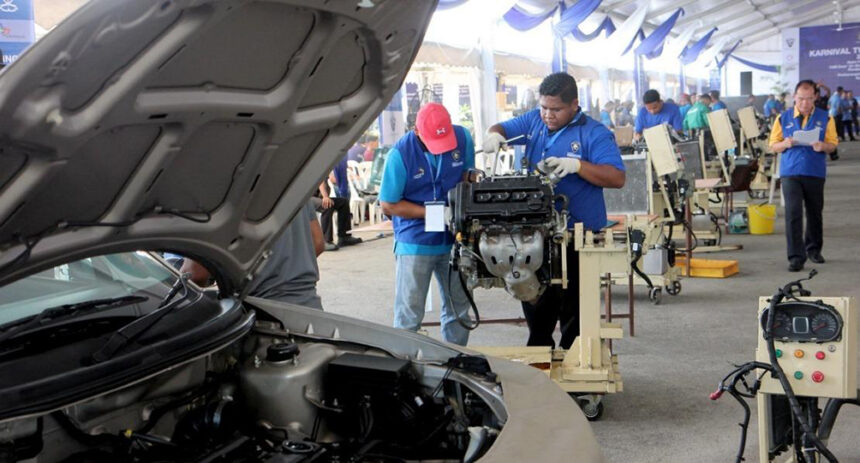
Currently, the ministry oversees 281 specialized institutions that offer over 500 programs across 15 distinct skills clusters, achieving a graduate employability rate of 95% over the past two years. This impressive track record underscores the relevance of the curriculum to modern industrial needs, particularly in advanced agriculture and manufacturing. The government has signaled its commitment to this agenda by allocating RM7.9 billion for the national vocational program in 2026, a move that involves 12 different ministries.
While funding is distributed based on project needs rather than fixed percentages per constituency, residents in areas like Padang Rengas gain direct benefits from specialized local centers. By focusing on high-impact fields such as welding and metal fabrication, the ministry ensures that the rural workforce remains indispensable to the national economy. This localized approach not only strengthens the technical capabilities of the students but also fosters a sense of community stability by allowing talent to flourish within their own regions rather than feeling forced to seek work in crowded cities.
Empowering Local Economies With Vocational Training And Industry Collaboration
The integration of Tvet into the regional economy of Perak is further exemplified by the active role of institutions such as Giatmara and Kolej Risda. These centers are not merely schools but economic engines that provide specialized certifications in fields ranging from pastry production to agro-based operations and women’s apparel manufacturing. In 2026, Giatmara Padang Rengas received a significant funding boost of RM230,000 to refine its technical programs, ensuring that the equipment and training methods stay ahead of industry standards.
Meanwhile, Kolej Risda continues to stimulate the local market by offering Malaysian Skills Certificate programs that directly correlate with rural entrepreneurship and agricultural innovation. One of the most successful strategies employed by the ministry is the co-sponsorship program, where training costs are shared between the government and private industry players. This collaborative model ensures that trainees transition seamlessly into the workforce as skilled employees immediately upon completion of their courses.
The synergy between educational institutions and the private sector is a cornerstone of the ministry’s plan to drive rural transformation. By aligning the output of the Tvet system with the specific demands of participating industries, the government provides a powerful incentive for both students and employers. This results in a sustainable loop where local talent is developed to serve local businesses, thereby strengthening the regional economy from the ground up. The ministry also provides comprehensive technical assistance and digital adoption initiatives to help rural entrepreneurs expand their market reach.
Sustainable Rural Transformation And Long Term Economic Impact
Looking toward the future, the Rural and Regional Development Ministry is implementing high-impact initiatives like the Prosper Project, which is slated to run from 2026 through 2030. This long-term program focuses on diversifying the rural economy through sectors such as fisheries, agro-tourism, and livestock cultivation, providing a robust platform for the application of TVET skills in real-world scenarios. The ministry’s holistic approach combines technical training with entrepreneurship programs like Start Right, which is specifically designed to nurture young business owners.
By offering equipment support and facilitation for halal certification, the government is lowering the barriers to entry for rural residents who wish to start their own enterprises. These efforts are part of a larger mission to provide sustainable income opportunities and improve the overall socio-economic standing of rural populations. The success of these initiatives relies on the continued evolution of Tvet to meet the challenges of a changing global economy, including the adoption of green technologies and digital tools.
As rural areas become more self-sufficient and technologically capable, the pressure on urban infrastructure decreases, leading to a more balanced national development. The ministry remains confident that by equipping youth with specialized skills and fostering a culture of innovation, the rural heartlands of Malaysia will become vibrant centers of economic activity. This transformation is not just about job placement but about creating a resilient society where every citizen has access to the tools they need for success.
Regional Human Capital And Market Decentralization
The 2026 budget allocations and the strategic emphasis on vocational education represent a significant shift in Malaysia’s approach to regional economic development. From a professional financial analyst perspective, the RM7.9 billion investment in the national TVET framework is a proactive measure to address the structural labor shortages currently affecting high-growth industries. By decentralizing high-value skills training to areas like Padang Rengas, the government is effectively hedging against the diminishing returns of urban-centric growth models.
We observe that the 95% employability rate among graduates of these programs is a clear leading indicator of the system’s efficiency in matching human capital with market demand. The move to prioritize high-value sectors such as advanced agriculture and metal fabrication suggests a focus on sectors with high export potential and lower susceptibility to automation in the near term. On a regional basis, the integration of industry co-sponsorships reduces the fiscal burden on the state while ensuring that the private sector remains invested in the quality of the workforce.
We anticipate that as the 13th Malaysia Plan progresses, the success of the Prosper Project will be a critical benchmark for evaluating the effectiveness of rural wealth distribution. The focus on agro-tourism and coconut cultivation in Perak reflects a strategic alignment with global shifts toward sustainable and localized supply chains. From an investment standpoint, the increased digital adoption and halal certification support for rural entrepreneurs create a fertile environment for small and medium enterprise growth.
The ability of the ministry to foster local employment through specialized training institutions directly supports the stability of the ringgit by bolstering domestic productivity. Analysts should monitor the capital expenditure efficiency of these vocational centers, as the return on investment will be realized through higher tax contributions from a more productive rural workforce and reduced social spending on urban unemployment. Ultimately, the transformation of rural areas into technical hubs is a vital component of Malaysia’s strategy to achieve high-income status by the end of the decade.