Minister Bahlil Signs Regulation to Accelerate Waste-to-Energy Projects
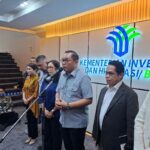
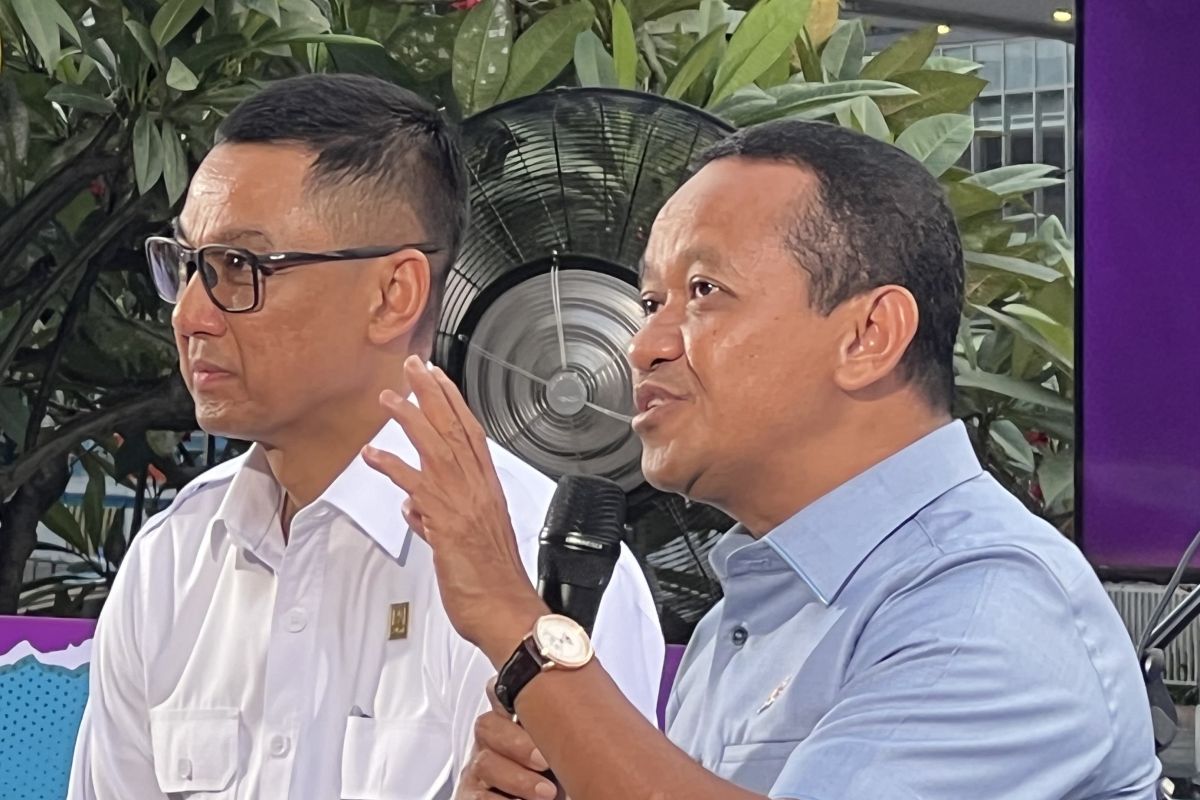
Minister of Energy and Mineral Resources Bahlil Lahadalia has officially signed the Presidential Regulation on Waste-to-Energy Power Plants (PLTSa), signaling a major commitment to accelerate efforts in managing the nation’s growing volume of urban waste.
The signing by Bahlil pushes forward the government’s strategy to convert problematic municipal solid waste into a usable energy source.
“With this Presidential Regulation, we are promoting waste-to-energy development, including biomass,” Lahadalia stated in Jakarta, confirming that the regulation would immediately proceed to the next stage of implementation.
He emphasized that the new legal framework clearly underscores the government’s firm commitment to tackling critical city waste issues through these innovative waste-to-energy initiatives, transforming an environmental liability into a beneficial asset.
As part of this comprehensive national waste management strategy, the government plans to authorize the construction of waste-to-energy plants in 33 strategic locations across the country.
This nationwide rollout will significantly boost local waste processing capabilities and contribute to the national energy mix.
To streamline this ambitious program, the government is also consolidating three existing presidential regulations that relate to waste management, aiming to create a single, coherent legal and procedural framework that supports efficient implementation.
This institutional consolidation is designed to remove bureaucratic hurdles and ensure the swift execution of the PLTSa projects, which are deemed essential for addressing the scale of Indonesia’s urban waste challenge.
Jakarta’s Urgent Need Drives National Priority
The sheer volume of waste generated by the capital city has made Jakarta a top priority in the national waste management plan, highlighting the urgent need for these new waste-to-energy solutions.
Minister of Environment and Forestry Hanif Faisol Nurofiq stressed that Jakarta alone requires at least five waste-to-energy plants to adequately handle the city’s staggering 8,000 tons of daily waste.
He noted that the capital was rightfully prioritized in the national plan due to its exceptionally high waste volume, which poses a significant environmental and public health challenge.
Currently, the vast majority of Jakarta’s waste is transported to the Bantargebang Integrated Waste Management Site (TPST), a facility that has already exceeded its designed capacity, creating an unsustainable situation that requires immediate, technologically advanced intervention.
However, Nurofiq also pointed out a paradoxical silver lining: the large and continuous volume of waste generated by the capital actually guarantees a steady and reliable supply of raw material for the continuous and profitable operation of the new PLTSa facilities.
This consistent feedstock minimizes operational risk for the plants, making them highly attractive to potential investors and ensuring their long-term viability as energy sources.
The establishment of these plants, authorized under the regulation signed by Bahlil, will not only alleviate the burden on existing landfills but also set a scalable example for other highly populated regional areas grappling with similar municipal waste crises.
The implementation of these projects represents a pragmatic, technology-driven solution to one of the country’s most persistent environmental problems.
Ensuring Environmental Safety with Scrubber Technology
Addressing a key public concern about potential air pollution from waste-to-energy exhaust gases, the Ministry of Energy and Mineral Resources has issued strong assurances regarding the strict environmental safety measures mandated by the new regulation.
Director General of New, Renewable Energy, and Energy Conservation at the Ministry of Energy and Mineral Resources, Eniya Listiani Dewi, affirmed that such risks are being meticulously managed and mitigated.
She gave her assurance that “there will be no environmental pollution because the Environmental Impact Analysis (Amdal), as stated in the Presidential Regulation, requires strict compliance with environmental standards.” This emphasizes that environmental protection is non-negotiable and is legally embedded in the project approval process.
Dewi further elaborated on the specific technology required, explaining that all waste-to-energy plants are mandated to use scrubbers. These highly effective control devices are specifically designed to substantially reduce air pollutants from industrial exhaust gases before they are released into the atmosphere.
She detailed the process, noting that “once the waste is burned in the boiler, we use the scrubber, which can be sprayed with water or steam,” to capture harmful particulates and gases.
This required use of advanced pollution control technology demonstrates the government’s dual commitment to promoting sustainable energy generation while rigorously adhering to high environmental protection standards across all PLTSa projects being developed, ensuring public confidence in this new approach to waste management spearheaded by Minister Bahlil.