Capitalargo.com – As Southeast Asia’s economy continues to expand, the Philippines stands at a pivotal moment in shaping a more sustainable future. With rapid urbanization, growing energy demand, and increasing vulnerability to climate change, the country faces both challenges and unique opportunities. Among them, sustainable infrastructure investment in the Philippines has emerged as a powerful driver for inclusive growth, environmental protection, and technological innovation.
Investors, policymakers, and development institutions are now paying close attention to how sustainable projects—from renewable energy systems to resilient transport networks—can transform the Philippine economy. This movement aligns with the country’s national development agenda and global sustainability commitments, particularly those tied to the Paris Agreement and the United Nations Sustainable Development Goals (SDGs).
In this article, we’ll explore how opportunities for sustainable infrastructure investment in the Philippines are unfolding across multiple sectors, why the country has become a magnet for green investors, and what strategies can help ensure long-term, inclusive development.
The Rising Need for Sustainable Infrastructure
The Philippines, with its more than 7,000 islands and a population exceeding 115 million, is one of Asia’s fastest-growing economies. However, its infrastructure gap remains significant. According to the Asian Development Bank (ADB), the country needs to invest more than US$170 billion in infrastructure by 2030 to sustain growth and meet population needs.
The pressure is even higher when factoring in climate risks. The Philippines consistently ranks among the world’s most disaster-prone nations, facing frequent typhoons, floods, and sea-level rise. These challenges make sustainable infrastructure investment in the Philippines not just an economic priority but a national necessity.
Sustainability in infrastructure goes beyond environmental considerations—it integrates social equity, financial resilience, and innovation. Projects designed today must withstand future climate impacts while providing inclusive access to essential services such as energy, transport, and housing.
Why the Philippines is Attractive for Green Investment
Several factors position the Philippines as a compelling destination for sustainable infrastructure investment.
First, the government has demonstrated strong commitment through its Build Better More program—a continuation of the previous “Build, Build, Build” initiative that emphasizes sustainability, digital transformation, and private sector participation.
Second, the country’s young and tech-savvy population creates demand for smarter, greener cities and digital solutions. The rise of urban centers such as Metro Manila, Cebu, and Davao presents immense potential for clean energy, mass transit, and water management projects.
Third, the Philippines benefits from increasing regional and international support. Institutions like the World Bank, ADB, and Green Climate Fund have pledged billions in financing for renewable energy, sustainable transport, and disaster-resilient infrastructure.
This convergence of policy support, demographic momentum, and funding availability makes the opportunities for sustainable infrastructure investment in the Philippines particularly promising.
Key Sectors Driving Sustainable Infrastructure Investment
1. Renewable Energy Development
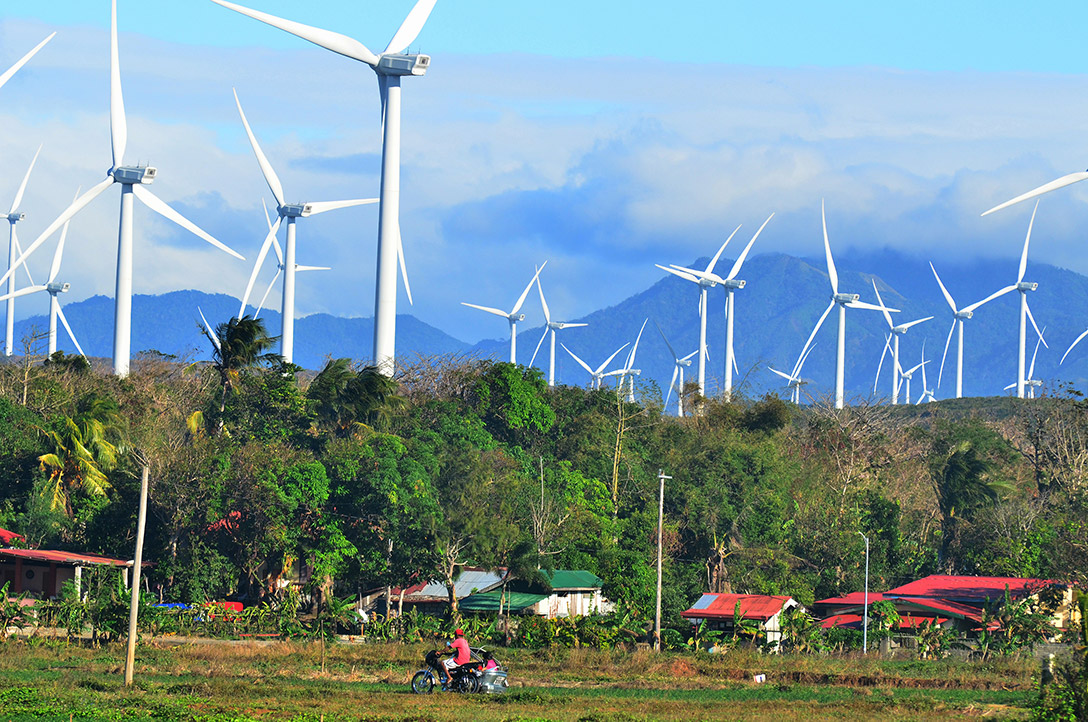
The Philippines is blessed with abundant natural resources—solar, wind, geothermal, and hydropower—that remain underutilized. The government aims to increase the renewable share of total energy generation to 35% by 2030 and 50% by 2040.
This policy creates fertile ground for investors seeking to engage in sustainable infrastructure investment in the Philippines, particularly in renewable energy.
Solar farms in Luzon and Visayas, offshore wind projects in Mindoro, and geothermal expansion in Leyte are among the initiatives attracting local and foreign investors. Additionally, the country’s decision to allow 100% foreign ownership in renewable energy projects underlines its commitment to openness and innovation.
Long-term returns are not just financial but also environmental—reducing dependency on imported fossil fuels and supporting the transition to a low-carbon economy.
2. Green and Smart Transportation Systems
Transportation remains a major source of pollution and urban congestion in the Philippines. However, new investments in electric vehicles (EVs), rail networks, and integrated public transport are shifting the paradigm.
The Metro Manila Subway, North-South Commuter Railway, and electric bus programs illustrate how sustainable infrastructure investment in the Philippines can create both economic and environmental benefits.
Investors are also exploring opportunities in EV charging networks, non-motorized transport infrastructure, and digital traffic management systems. These projects not only reduce emissions but also improve mobility and productivity in key economic hubs.
3. Water and Waste Management
Water scarcity and waste pollution are pressing issues that threaten public health and sustainability. However, these challenges open doors for innovative solutions and long-term investments.
Private sector participation in wastewater treatment, solid waste recycling, and water distribution systems has grown steadily. Modern technologies—such as waste-to-energy plants and smart water metering—offer scalable opportunities for sustainable infrastructure investment in the Philippines.
As the government tightens environmental regulations, companies that adopt sustainable practices and circular economy models are better positioned to secure public-private partnerships (PPPs) and funding.
4. Sustainable Urban Development and Smart Cities
Urbanization in the Philippines is accelerating. By 2050, more than 65% of Filipinos are projected to live in cities. This shift demands integrated planning for housing, mobility, and energy efficiency.
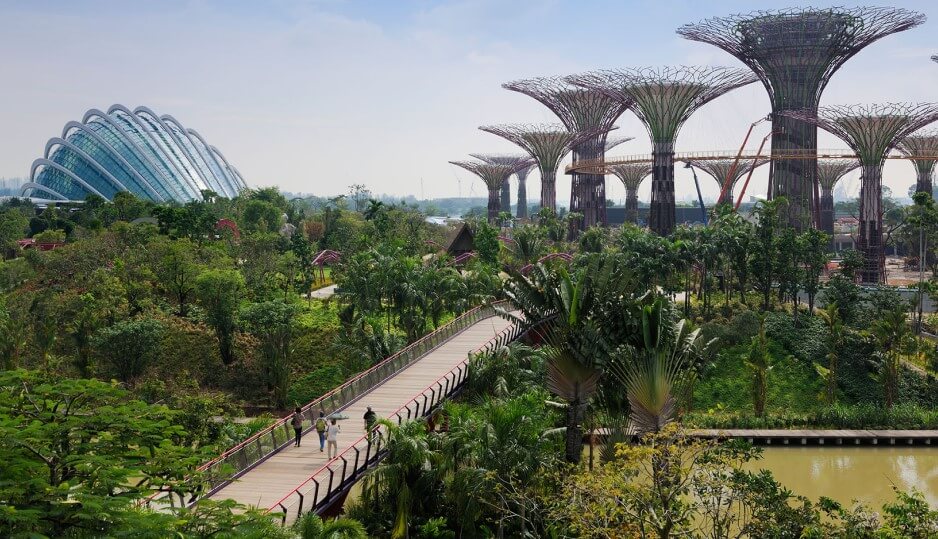
Cities such as Clark Green City, Bonifacio Global City, and Iloilo are pioneering smart urban development powered by renewable energy, digital connectivity, and green architecture.
These examples illustrate how opportunities for sustainable infrastructure investment in the Philippines extend beyond traditional sectors to include green buildings, energy-efficient housing, and intelligent waste management systems. Regional models, such as Pattaya’s bold rebranding of its nightlife district as a tourist asset, demonstrate how creative urban strategies can balance economic growth with social and environmental goals.
Foreign developers, institutional investors, and sustainability funds are increasingly partnering with local governments to deliver these next-generation urban solutions.
5. Digital Infrastructure and Connectivity
Sustainability also relies on robust digital infrastructure. The Philippines has one of the highest social media usage rates in the world but continues to face connectivity gaps, particularly in rural areas.
Investment in fiber-optic networks, 5G infrastructure, and data centers is vital for economic resilience and inclusivity. Moreover, digital transformation enables smart systems for transportation, power distribution, and environmental monitoring—enhancing the impact of sustainable infrastructure investment in the Philippines.
Regional digital players are also expanding globally, such as DigiPlus launching in Brazil next week, showcasing how Southeast Asian tech firms are scaling sustainable digital solutions across continents.
The integration of digital technologies helps optimize resource use, reduce emissions, and improve decision-making through real-time data analytics.
Financing Sustainable Infrastructure in the Philippines
Access to finance remains a crucial element in scaling sustainable projects. The government has introduced various mechanisms to attract private capital, including green bonds, sustainability-linked loans, and public-private partnerships (PPPs).
Local banks, guided by the Bangko Sentral ng Pilipinas (BSP), are increasingly adopting sustainable finance frameworks that align with environmental and social governance (ESG) standards.
International institutions, meanwhile, have committed significant resources—such as the ADB’s ASEAN Catalytic Green Finance Facility, which aims to mobilize private investment for low-carbon projects.
For investors, the economic and regulatory environment of the Philippines is becoming progressively supportive, offering both profit potential and social impact.
Challenges to Address
Despite strong momentum, several challenges persist in realizing the full potential of sustainable infrastructure investment in the Philippines.
Bureaucratic inefficiencies, fragmented regulations, and delays in project approval can discourage investors. The high cost of capital, especially for long-term projects, also remains a concern.
Furthermore, climate risks pose additional uncertainty. Infrastructure planning must integrate robust resilience measures, ensuring that investments can withstand extreme weather and environmental stress.
Strengthening institutional capacity, improving transparency, and expanding access to affordable green finance are key to overcoming these barriers.
The Social and Environmental Impact
Beyond economic growth, the opportunities for sustainable infrastructure investment in the Philippines have far-reaching social and environmental benefits.
Green energy reduces air pollution and dependence on imported fuels. Efficient transport lowers congestion and enhances quality of life. Smart cities foster innovation, inclusivity, and job creation.
Moreover, sustainable infrastructure projects can empower rural communities, bridging the gap between urban and provincial economies. As investment flows into cleaner technologies and resilient systems, the Philippines can reduce inequality and promote environmental stewardship.
Government Policy and Future Outlook
The Philippine government’s AmBisyon Natin 2040 and the Philippine Development Plan 2023–2028 place sustainability at the heart of national strategy. These frameworks outline clear goals for low-carbon transition, inclusive infrastructure, and climate adaptation.
Future growth will depend on maintaining policy continuity, improving regulatory clarity, and fostering strong collaboration between the public and private sectors.
With global investors increasingly prioritizing ESG principles, the sustainable infrastructure investment in the Philippines will likely accelerate, creating long-term value for both the economy and the environment.
A Vision Toward a Resilient and Sustainable Future
The opportunities for sustainable infrastructure investment in the Philippines represent a once-in-a-generation chance to redefine national development. By combining economic ambition with environmental responsibility, the country can build infrastructure that not only supports growth but also safeguards future generations.
As green finance expands and innovation accelerates, the Philippines is poised to emerge as a regional leader in sustainable development. The key lies in consistent policy execution, transparent governance, and active collaboration across all sectors.
In the years ahead, success will not just be measured by new roads, bridges, or power plants—but by how these investments contribute to a more inclusive, resilient, and sustainable nation.
Note: While sustainable infrastructure strengthens domestic resilience, regional trade stability remains critical. For instance, Vietnam’s response to the Philippines’ recent pause on rice imports highlights the need for coordinated ASEAN food security strategies to complement infrastructure investments.