Strategic Production Targets And Global Expansion For PTTEP
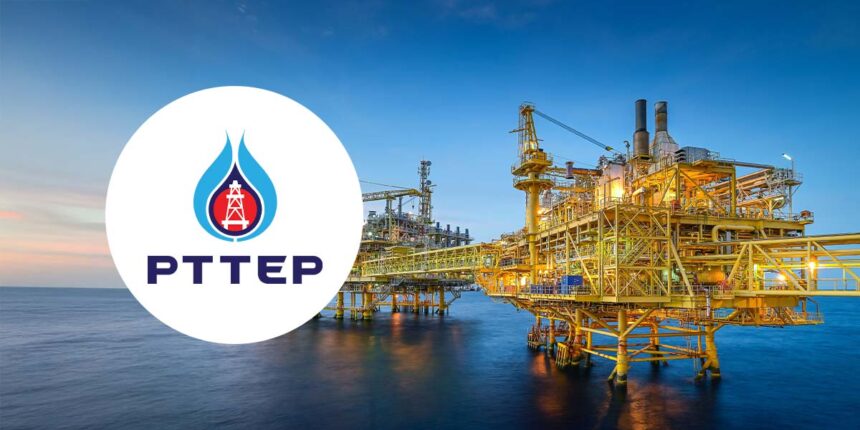
The leadership at PTT Exploration and Production Public Company Limited, led by Chief Executive Officer Montri Rawanchaikul, has recently solidified the 2026 operational roadmap for PTTEP to ensure significant growth. Within the first sixty words of this strategic update, the company confirms its intention to increase average petroleum sales volume to 556,000 barrels of oil equivalent per day.
This represents a substantial rise from the 505,000 barrels recorded in 2025, signaling a robust trajectory for the organization as it ramps up production across its diversified portfolio. The firm aims to reach a total production volume of 785,000 barrels of oil equivalent per day by the end of 2026, driven by a dual strategy of domestic stability and aggressive international expansion.
In the Gulf of Thailand, the focus remains on sustaining steady output from critical projects such as G1/61, G2/61, and the Arthit and S1 fields. Meanwhile, international growth will be bolstered by increased activity in the Yadana field in Myanmar and the Malaysia-Thailand Joint Development Area. The major Ghasha Concession gas project located offshore in Abu Dhabi is also expected to play a pivotal role in meeting these ambitious energy targets.
National Energy Security And Concession Management Frameworks
A critical component of the corporate mission is the preservation of Thailand’s energy security through the continuous operation of domestic petroleum fields. The company has explicitly expressed the need to avoid past mistakes where production lags led to an over-reliance on expensive imported energy sources. To mitigate these risks, the leadership is urging the government to establish clear and stable guidelines that ensure operational continuity well before concessions expire.
Specifically, a resolution should be reached at least five years prior to any expiration date to allow for the necessary investment and technical planning required to maintain output levels. Losing domestic production capabilities would inevitably lead to a surge in energy import costs, placing a heavy burden on the national economy and consumers. Therefore, opening new exploration blocks in surrounding areas and securing long-term renewals for existing concessions are seen as the most effective solutions for maintaining a steady domestic supply.
The lessons learned from previous incidents in major fields have highlighted the importance of early investment and consistent maintenance by concessionaires. When investment drops toward the end of a contract, the resulting decline in production can take years to reverse, forcing the country to fill the gap with costly alternatives from the international spot market. To prevent a recurrence of such scenarios, the company advocates for a more integrated approach to energy planning that prioritizes local resource extraction over foreign dependence.
Environmental Stewardship And Net Zero Emission Targets
In addition to its production goals, the company is deeply committed to environmental sustainability and the reduction of greenhouse gas emissions across its global operations. The long-term objective is to achieve net-zero emissions by 2050, covering both direct emissions from production and indirect emissions from energy consumption. To reach this milestone, a rigorous target has been set to reduce emission intensity from the 2020 baseline by 30 percent by 2030 and 50 percent by 2040.
A dedicated investment budget of 118 million dollars has been allocated specifically for activities aimed at decarbonization and environmental protection. One of the flagship initiatives in this area is the Carbon Capture and Storage project at the Arthit field in the Gulf of Thailand. This advanced technological solution is designed to capture up to 1 million tons of carbon dioxide per year, significantly lowering the carbon footprint of the company’s gas production activities.
By integrating carbon capture technology into its core business model, the firm is positioning itself as a leader in the regional transition toward a lower-carbon economy. This approach involves the continuous monitoring of emission sources and the implementation of energy-efficient technologies throughout the exploration and production lifecycle. The focus on sustainability also extends to the social and economic impacts of the company’s operations, ensuring that local communities benefit from the infrastructure and employment opportunities created by these massive energy projects.
Regional Energy Market Integration And Valuation Analysis
From a professional financial and analytical perspective, the 2026 operational plan and the five-year 33.27 billion dollar investment strategy represent a sophisticated hedge against regional energy volatility. We observe that the aggressive expansion into Malaysia and the United Arab Emirates is not merely a volume-seeking exercise but a strategic diversification of the asset base to mitigate localized geopolitical risks. By increasing the sales volume to over half a million barrels per day, the company is effectively lowering its unit production costs through economies of scale.
This scale is essential for maintaining competitiveness in a price-sensitive global market. The focus on gas as a transition fuel is particularly astute, as it aligns with regional demand patterns where industrial sectors seek cleaner alternatives to coal but are not yet ready for a full transition to renewables. This creates a lucrative mid-term window where natural gas remains the dominant and most reliable energy source in Southeast Asia, providing a stable cash flow for the company through the end of the decade.
The regional market impact is further magnified by the company role as a primary provider of energy security for Thailand. The push for earlier concession resolutions is a vital macro-economic signal that aims to stabilize the national trade balance by reducing the high-cost fiscal leakage associated with LNG imports. For investors, the 118 million dollar commitment to carbon capture and storage projects serves as a critical de-risking mechanism against potential future carbon taxes and evolving environmental regulations, enhancing the long-term enterprise value of the organization.