Driving Vietnamese Automotive Innovation Through Strategic Human Capital
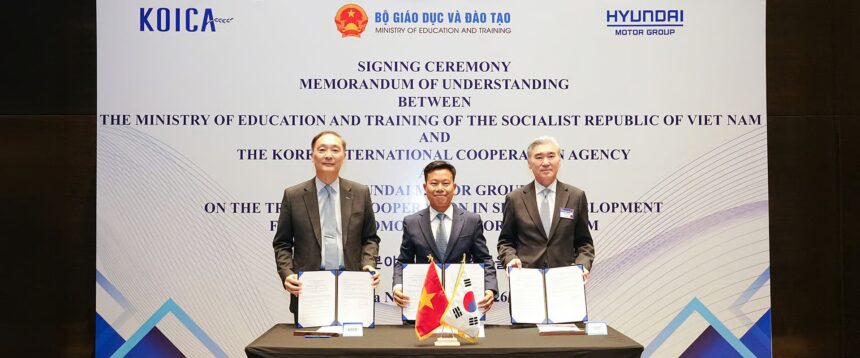
The landscape of Southeast Asian manufacturing is undergoing a significant transformation as Hyundai Motor Group reinforces its commitment to developing a highly skilled technical workforce in Vietnam. By signing a comprehensive trilateral agreement with the Korea International Cooperation Agency and the Ministry of Education and Training, the group is effectively pooling its global technical expertise to address the rising demand for specialized human capital.
This initiative is designed to equip local students with the necessary curriculum resources and advanced training infrastructure required to excel in a rapidly evolving market. Sung Kim, representing the strategic planning division, emphasized that the fast growing nature of the local automotive sector necessitates a virtuous cycle that connects the classroom directly to career opportunities. As Hyundai continues to expand its footprint, the focus on education ensures that the next generation of technicians and engineers are well prepared to handle the complexities of modern vehicle production.
This partnership between industry, government, and academia marks a critical milestone in Vietnam’s long term development goals, fostering an environment where technical innovation and social progress go hand in hand. The collaboration aims to provide meaningful educational paths that transform the youthful energy of the nation into a primary driver of industrial excellence and regional competitiveness.
Expanding Industrial Footprint And Regional Economic Integration
Beyond the immediate scope of technical training, the presence of Hyundai in the region serves as a cornerstone of a broader ASEAN strategy that prioritizes local production and sales operations. Operating through the Thanh Cong joint venture, the group has established itself as a top tier manufacturer, leveraging Vietnam’s dynamic workforce to enhance its manufacturing capabilities and supply chain resilience.
The commitment to the country is deeply rooted in long term investment, recognizing the nation’s potential as a major industrial hub in Southeast Asia. This strategic alignment allows for the seamless integration of advanced manufacturing technologies with local expertise, creating a robust ecosystem that supports both domestic needs and export potential. To ensure the success of this model, the organization continues to implement policies that advance specialized talent development across the entire sector.
The synergy between high level corporate strategy and local industrial policy provides a stable foundation for continued growth and innovation. By maintaining strong production lines and a comprehensive sales network, the group demonstrates its confidence in the region’s economic stability and its ability to act as a central pillar for future expansion. This holistic approach to market entry and growth ensures that the industrial impact is both sustainable and beneficial to the local economy, providing high quality jobs.
Corporate Social Responsibility And Environmental Stewardship Initiatives
The commitment to national development extends far beyond the factory floor, as Hyundai has cultivated an extensive social contribution portfolio that addresses education and environmental restoration. The Jump School program, launched in 2020, exemplifies this by pairing university mentors with disadvantaged youth to provide scholarships and career guidance, supporting thousands of young people to date.
Furthermore, the Global Scholarship program through the Chung Mong Koo Foundation provides talented students from across ASEAN with fully funded opportunities to study in South Korea, fostering a regional network of highly educated professionals. Environmental resilience is also a major focus, highlighted by the reforestation efforts in the Ca Mau region where tens of thousands of mangrove trees have been planted to support biodiversity and climate adaptation.
These efforts demonstrate that Hyundai views its role not just as a business entity, but as a long term partner in the nation’s social and ecological well being. By investing in reforestation and climate resilience, the group helps protect the natural resources that are vital to local communities in the Mekong Delta. This multi faceted approach to corporate citizenship ensures that the brand is deeply integrated into the fabric of society, creating a lasting positive legacy that transcends the automotive industry.
Analyzing The Regional Impact Of Trilateral Industrial Cooperation
The trilateral agreement between South Korean industrial leadership and the Vietnamese education ministry represents a sophisticated model of foreign direct investment that prioritizes knowledge transfer over simple assembly. We analyze that by embedding technical training directly into the national education framework, the partners are effectively reducing the long term structural unemployment risks that often accompany rapid industrialization.
This move is particularly significant for the regional investment climate, as it provides a predictable supply of high quality labor which is the primary factor for multi national corporations looking to relocate supply chains from more expensive markets. We observe that this strategy strengthens the sovereign credit profile by diversifying the industrial base and enhancing the value added component of domestic exports. The integration of advanced vocational training with global manufacturing standards ensures that Vietnam remains an attractive hub for high tech capital.
The focus on human capital serves as a critical hedge against the potential automation of low skilled labor, positioning the local workforce further up the value chain. We anticipate that this industrial alignment will lead to a more synchronized regional response to technological shifts, such as the transition to electric and autonomous mobility. The establishment of specialized scholarship programs and mentoring schools further bolsters social mobility, which is a key metric for long term economic stability.
For institutional investors, the depth of this commitment signals a low risk, high stability environment where corporate interests are aligned with national development goals. This synergy creates a virtuous cycle where increased productivity leads to higher real wages, which in turn fuels the domestic demand that supports the automotive market itself. Furthermore, the environmental initiatives like the reforestation project in the Mekong Delta provide a necessary counterbalance to industrial expansion, addressing the ESG requirements that are increasingly mandatory for global capital allocation.
We observe that by tackling climate resilience alongside technical education, the group is mitigating the long term physical risks to infrastructure and supply chains in one of the world’s most climate vulnerable regions. This holistic risk management approach ensures that the economic gains from industrial growth are not eroded by environmental degradation or social inequality. Ultimately, the successful execution of this trilateral partnership provides a blueprint for sustainable regional development that can be replicated across other emerging markets in the ASEAN bloc.
The ability to harmonize industrial output with social progress is the hallmark of a mature and resilient economic strategy that benefits both the sovereign state and its global corporate partners in 2026 and beyond. This integrated approach to labor economics and environmental stewardship not only secures a competitive edge for the automotive sector but also serves as a stabilizing force for the regional consumer price index by promoting sustainable wage growth and reducing the volatility associated with unskilled labor fluctuations.