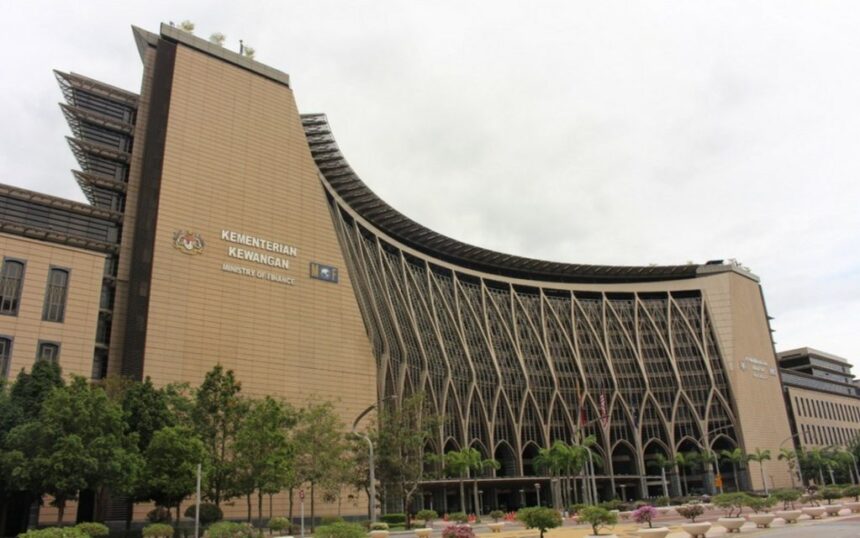
Protecting Core Services Through Strategic Expenditure Adjustment
The Finance Ministry recently announced a critical fiscal adjustment within the first quarter to ensure that the national economy remains resilient against external shocks. By implementing this specific adjustment early in the fiscal cycle, the government aims to safeguard the delivery of essential services such as healthcare, security, and education for all citizens.
Officials have been quick to clarify that the guidelines for the realignment of operating expenditure involve only non-critical spending categories. This ensures that every ringgit allocated for core social pillars remains untouched and fully operational. Every effort is being made to maintain the integrity of public service delivery despite the broader global economic pressures currently being felt across all sectors.
This means that the high-priority budgets for the Health Ministry and the Education Ministry will continue to operate exactly as approved under the Budget 2026 framework. These ministries remain among the largest recipients of federal funds, underscoring their importance to the national development agenda. The government is committed to ensuring that these vital sectors do not face any disruption in their daily functions.
The primary goal of this financial maneuver is to create necessary fiscal space, allowing the state to fund targeted assistance and subsidies. These funds are intended to protect vulnerable groups from the rising costs associated with the Global Supply Crisis. By tightening discipline now, the administration is signalling a shift toward a responsible soft austerity model that avoids the need for a full budget revision.
Operational Cost Saving Measures And Enhanced Fiscal Discipline
To achieve a meaningful fiscal adjustment without compromising public welfare, the ministry has outlined several stringent cost saving measures for immediate adoption. These guidelines focus heavily on the reduction of administrative overhead, such as postponing major corporate events and social programs. Limiting non-essential overseas travel and deferring training sessions are also key components of this strategy.
Agencies are also expected to optimize their internal reserves and reduce utility consumption across all government buildings. This effort is designed to contribute to the broader national savings goal without impacting the quality of public service. The ministry is emphasizing a more efficient use of existing resources to meet the country’s immediate financial obligations.
Another key element of this strategic adjustment is the deferment of hiring for non-critical positions. This allows the government to manage its wage bill more effectively without reducing the existing workforce. It ensures that the current personnel can continue their roles while the state pauses the expansion of its administrative size during this period.
Communications Minister Datuk Fahmi Fadzil noted that the Cabinet has already instructed all ministries and GLCs to scale down their official programs. This collective effort is designed to ensure that the federal government maintains a high level of spending discipline. By aligning program implementation with current challenges, the state can redirect resources toward the most impactful sectors like food and energy subsidies.
Strengthening National Resilience Against Global Supply Disruptions
As the global economic landscape becomes increasingly unpredictable, the government is utilizing this expenditure adjustment to build a robust buffer. The ongoing Global Supply Crisis has placed unprecedented pressure on national budgets worldwide. This necessitates a balanced approach that ensures essential services remain fully funded while supporting broader economic growth.
The Finance Ministry has reaffirmed its commitment to this balanced strategy by improving spending efficiency. This proactive stance allows the government to remain flexible and responsive to the needs of the population. Continuous refinement of spending habits is seen as the most effective way to strengthen the nation’s resilience in the long term.
The Communications Minister highlighted that these adjustments were made based on detailed input from financial experts. This ensures that the nation remains competitive and fiscally sound despite the deep and prolonged impact of global disruptions. Coordinating program activities effectively helps maintain the momentum of national development projects under a disciplined framework.
This strategy of soft austerity is intended to preserve the country’s sovereign credit rating and maintain investor confidence. As we move further into 2026, the focus will remain on monitoring global developments closely. The government’s priority is to provide a stable environment for both citizens and businesses, ensuring core functions are never compromised.
Market Impact Analysis Of Soft Austerity On Regional Stability
From a regional macroeconomic perspective, Malaysia’s move toward a soft austerity model serves as a vital defensive mechanism. By prioritizing expenditure adjustment over outright budget slashing, the Finance Ministry is effectively managing the nation’s debt to GDP ratio. This signaled discipline helps maintain a favorable view from international credit agencies during a time of global economic uncertainty.
This approach is particularly significant for the local capital markets, as it reduces the likelihood of emergency domestic borrowing. Preventing the crowding out of private sector investment is essential for maintaining liquidity within the national economy. For institutional investors, this provides a layer of predictability that shields the ringgit from the volatile fluctuations seen in other emerging markets.
The impact on the domestic corporate sector will likely result in a sharp focus on operational efficiency and resource optimization. As GLCs are forced to scale down non-critical programs, we anticipate a more streamlined procurement environment. This shift can lead to improved profit margins and a more meritocratic approach to internal reserve management within the public sector.
By consolidating fiscal space now, the government is positioning itself to react with greater agility should global supply disruptions worsen. This ensures that the state has the necessary capital to intervene in essential markets without destabilizing the broader financial architecture. In the long term, these measured steps will define the nation’s creditworthiness and its ability to attract high quality foreign direct investment.