Navigating Financial Turbulence And Strategic Shifts At HSBC
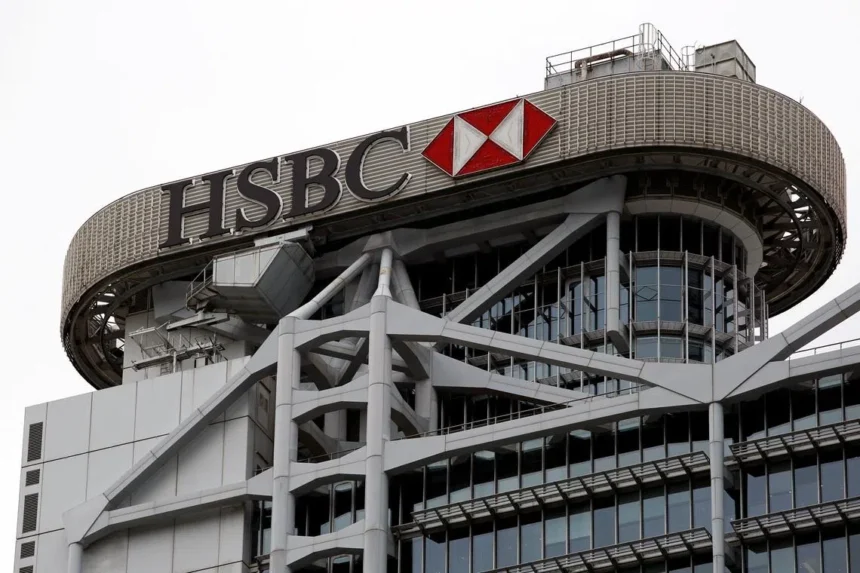
The global banking landscape experienced a notable tremor on May 5 as HSBC reported a quarterly pre-tax profit of 9.4 billion US dollars, a figure that fell short of the 9.6 billion US dollars projected by market analysts. This financial performance reflects a slight decline from the 9.5 billion US dollars recorded during the same period in the previous year, highlighting the complex challenges currently facing major international lenders. A significant portion of this missed estimate can be traced back to an unexpected 400 million US dollar charge related to a UK fraud case involving a secondary securitisation exposure with a financial sponsor.
Beyond this specific incident, the bank had to navigate a rapidly deteriorating global economic outlook influenced by rising geopolitical tensions. Despite these headwinds, the core operations of HSBC showed remarkable resilience, particularly within its International Wealth and Premier Banking divisions and its consistently strong Hong Kong units. The institution remains a critical pillar of global finance, and its ability to absorb these unexpected costs while maintaining profitability in key segments is a testament to its diversified business model.
However, the market reacted swiftly to the news, causing Hong Kong-listed shares to tumble by 5.2% as investors processed the implications of increased credit losses and the potential for prolonged economic instability. As the bank continues to execute its long-term strategy, the focus remains on balancing growth in high-potential regions with the necessity of maintaining robust risk management protocols in an increasingly unpredictable world. The leadership team remains focused on navigating these fiscal hurdles while ensuring that the core banking infrastructure remains sound for its global clientele.
Evaluating Credit Risks Amid Geopolitical Conflict And Economic Uncertainty
The broader impact of regional instability, specifically the escalating conflict in the Middle East, has forced HSBC to adopt a more cautious stance regarding its credit loss expectations. For the first three months of the year, the bank booked a total of 1.3 billion US dollars in expected credit losses, which included a 300 million US dollar increase specifically tied to the worsening global economic environment following the onset of hostilities. This proactive approach to risk management is echoed by other global peers who have also recorded significant provisions in response to the widening scope of the war.
Standard Chartered recently booked a 190 million US dollar credit charge, while Lloyds Banking Group and Deutsche Bank have taken similar measures to safeguard their balance sheets against potential defaults. Because HSBC has targeted the Middle East for aggressive corporate and wealth management expansion, the broadening nature of the conflict poses a direct threat to its strategic growth objectives in that region. Consequently, the bank has revised its credit charge outlook for 2026 upward to 45 basis points of average gross loans, reflecting the ongoing uncertainty that characterizes the current fiscal landscape.
This adjustment serves as a defensive maneuver to ensure that the group remains well-positioned to manage the prevalence of change within the global environment. The securitisation financing exposure, totaling approximately 3 billion US dollars, remains under close scrutiny as it involves lending backed by portfolios of mortgages, consumer loans, and automotive credit. By identifying these risks early and adjusting its financial buffers accordingly, the bank aims to maintain a stable foundation even as it navigates the volatile waters of international trade and regional warfare.
Strategic Restructuring And Asset Divestment Under New Leadership
Since taking the helm as chief executive in September 2024, Georges Elhedery has spearheaded a major restructuring drive aimed at simplifying the operations of HSBC and significantly reducing overhead costs. This transformation has involved the closure, merger, and sale of several underperforming or non-core business units to create a more agile and efficient banking giant. A recent example of this strategic pivot is the announcement that OCBC will be acquiring the wealth and premium banking assets of HSBC in Indonesia, a move that allows the bank to concentrate its resources on more profitable corridors.
This aggressive simplification process had been largely welcomed by the investment community, with share prices reaching all-time highs earlier in 2026 before the recent geopolitical shocks caused a temporary retreat. The leadership team remains committed to this restructuring path, believing that a leaner organization is better equipped to handle the fluctuations of the global market and the specific challenges posed by the US-Iran war. While the outbreak of conflict caused an initial plunge in stock value, the resilience of the bank’s underlying asset base helped it pare most of those losses relatively quickly.
The ongoing efforts to streamline the business are designed to enhance long-term shareholder value by focusing on core strengths in international wealth management and high-growth Asian markets. As the bank evolves, its ability to successfully exit smaller markets while doubling down on its dominant positions in Hong Kong and other strategic hubs will be crucial. The focus on cost-cutting and operational efficiency under the current leadership continues to define the bank’s identity as it seeks to remain the premier choice for corporate and individual clients who require a truly global banking partner.
Regional Implications Of Asset Realignment And Geopolitical Risk Exposure
The strategic retreat of HSBC from the Indonesian wealth market via the OCBC acquisition signals a broader consolidation trend within the ASEAN financial corridor. For regional market observers, this divestment highlights a deliberate shift toward capital preservation in a high-risk environment where the cost of local compliance often outweighs the marginal gains of retail expansion. This move effectively clears the path for regional champions like OCBC to absorb high-value market share while allowing global players to refocus on the lucrative Singapore-Hong Kong nexus. The bank’s increased credit provisions reflect a growing concern that the regional economic engine may stall if Middle Eastern energy supplies remain disrupted or overpriced.
The 5.2% decline in Hong Kong shares is not merely a reaction to a single earnings miss but a reassessment of the systemic risk embedded in banks with heavy exposure to trade finance between Asia and the Middle East. As trade corridors face potential physical and financial blockades, the securitisation of receivables becomes a particularly vulnerable asset class. Financial analysts are now closely monitoring whether other regional lenders will follow suit in raising credit loss allowances, which could lead to a tightening of liquidity for corporate borrowers across Southeast Asia. The resilience of the wealth management segment in Hong Kong remains the bank’s strongest defensive moat, yet even this is contingent on the sustained stability of capital flows into the region.
Looking ahead, the pivot toward high-net-worth segments and corporate restructuring under Elhedery suggests that HSBC is preparing for a period of lower growth but higher efficiency. The regional impact of this strategy will likely involve a reduction in accessible retail banking services in secondary markets as the bank prioritizes institutional stability. For the Indonesian market specifically, the acquisition by OCBC ensures continuity for premium clients but underscores the difficulty global banks face when competing with localized expertise during times of global strife. The long-term viability of the bank’s aggressive expansion goals in the Middle East remains the most significant variable, as a protracted conflict could permanently alter the trade dynamics that the bank has spent decades cultivating.