Strategic Evolution Of High Speed Connectivity In Việt Nam
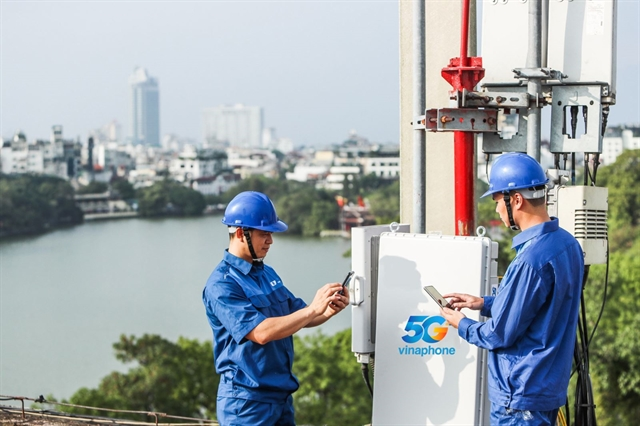
Việt Nam has successfully transitioned into a premier position among regional leaders in telecommunications by prioritizing the rapid deployment of 5G infrastructure and advanced broadband solutions. By the start of 2026, the nation achieved a significant milestone with over 4,000 base transceiver stations installed nationwide, ensuring that approximately 90% of the total population now has access to high-speed mobile connectivity. This massive expansion is not merely about physical infrastructure but represents a fundamental shift in how the country manages its digital resources through effective spectrum planning and forward-thinking licensing policies.
With nearly 23 million active subscribers already utilizing the 5G network, the average download speeds have climbed to an impressive 188 Mbps, a feat that places the nation 14th on the global stage for mobile performance. On the fixed broadband front, the progress is even more pronounced, with speeds reaching 288 Mbps and ranking ninth worldwide. Over 23.8 million households are currently connected via fiber optic technology, reflecting a comprehensive effort to bridge the digital divide and foster an environment where digital services can thrive.
This robust foundation in Việt Nam serves as the primary engine for economic modernization, enabling the integration of sophisticated technologies into the daily lives of citizens and the operational frameworks of local businesses. The government’s proactive stance on telecommunications has created a reliable ecosystem that supports everything from basic internet access to complex industrial applications, solidifying the country’s reputation as a tech-forward hub within the Southeast Asian region. The current trajectory suggests that the digital economy will continue to be a primary contributor to the national gross domestic product.
Technological Applications And Future Spectrum Requirements For 6G
As the telecommunications sector in Việt Nam continues to mature, the shift from 5G Advanced toward the eventual realization of 6G is unlocking a diverse array of transformative applications across multiple industries. These next-generation networks are designed to support virtual reality experiences in healthcare, where surgeons can perform remote consultations, and in education, where students can engage in immersive learning environments regardless of their physical location. Furthermore, the expansion of large-scale Internet of Things connectivity is essential for the development of smart cities, autonomous vehicle systems, and highly efficient smart factories.
To meet these growing technological demands, the Ministry of Science and Technology anticipates a sharp rise in spectrum requirements, suggesting that individual operators may soon need up to 400 MHz of bandwidth to support 6G capabilities. The Vietnam Telecommunications Authority has already responded by drafting a strategic roadmap that includes high-frequency ranges such as the mmWave band from 24.25 to 27.5 GHz. Another innovative trend gaining traction in Việt Nam is the integration of terrestrial mobile networks with satellite systems, which is crucial for extending high-quality coverage into the most remote and rural corners.
This hybrid approach ensures that the benefits of the digital economy are not restricted to urban centers like Hà Nội but are distributed equitably across the national landscape. By planning for these capacity needs today, the authorities are ensuring that the infrastructure remains resilient and capable of handling the massive data loads expected in a hyper-connected society. This strategic foresight reduces the risk of network congestion as more industrial and consumer devices come online. The long-term objective is to maintain a seamless user experience while supporting the high-bandwidth requirements of emerging artificial intelligence applications.
Proactive Research Initiatives And Global Readiness For 2028
The journey toward 6G commercialization is already underway in Việt Nam, with the government establishing dedicated steering committees and research tasks assigned to prominent universities and leading enterprises. International trends indicate that 6G technologies will likely undergo rigorous testing around 2028, and the country is determined to remain at the forefront of these global developments rather than simply adopting technology from elsewhere. By engaging in early-stage research and development, local innovators are exploring how to optimize spectrum usage and improve energy efficiency for the next generation of base stations.
This proactive strategy ensures that Việt Nam is not only ready for the technical deployment of 6G but also capable of contributing to international standards and patents within the telecommunications field. These research efforts are essential for maintaining the nation’s competitive edge and ensuring that its broadband infrastructure can support the next wave of entertainment, industrial automation, and smart grid management. The transition to these future technologies represents a long-term commitment to digital sovereignty and economic growth, allowing the country to keep pace with advanced economies and maintain its regional leadership.
As the nation prepares for the next decade of connectivity, the focus remains on building a secure, high-speed, and inclusive network that serves as the backbone for all future innovations. Through a combination of public-sector planning and private-sector execution, Việt Nam is set to redefine the limits of what is possible in telecommunications, ensuring that every citizen and business can thrive in an increasingly digital marketplace. The integration of domestic expertise with global technical standards is expected to yield a robust and sustainable digital ecosystem that attracts significant foreign direct investment into the high-tech sector.
Economic Multiplier Effects Of Digital Infrastructure And Market Expansion
From a financial and investment perspective, the aggressive rollout of advanced telecommunications in Việt Nam serves as a massive economic multiplier that significantly enhances the regional investment climate. By securing a top ten global ranking in fixed broadband speeds, the country has effectively lowered the cost of doing business for multinational corporations, particularly those in the data intensive sectors such as fintech, software development, and semiconductor design. This high performance infrastructure acts as a magnet for foreign direct investment, as institutional investors prioritize markets with the digital resilience necessary to support artificial intelligence and cloud computing workflows.
The regional market impact is particularly evident in the rapid maturation of the digital economy, which is projected to grow exponentially as 5G and 6G capabilities become ubiquitous. This connectivity enables a new era of industrialization, allowing local manufacturers to adopt smart factory protocols that increase productivity while reducing waste. Furthermore, the expansion of 5G subscribers provides a fertile ground for the growth of local digital platforms, ranging from e-commerce and logistics to digital banking and insurance. As the domestic market reaches critical mass, we can expect to see a surge in domestic capital formation and the emergence of more homegrown technology unicorns that are capable of competing on an international scale.
Ultimately, the commitment of Việt Nam to spectrum optimization and early 6G research positions the country as a strategic gateway for digital trade within the ASEAN region. This leadership status forces neighboring economies to accelerate their own digital roadmaps to remain competitive, effectively raising the technical standards across Southeast Asia. For financial analysts, the telecommunications sector remains a key lead indicator of broader macroeconomic health, as the ongoing capital expenditures in network density and fiber deployment suggest a long term bullish outlook for the national economy. The successful integration of terrestrial and satellite networks will likely unlock previously untapped economic value in rural provinces, further diversifying the national revenue stream and enhancing social equity through digital inclusion.