The Journey To Public Capital And Market Valuation Realities
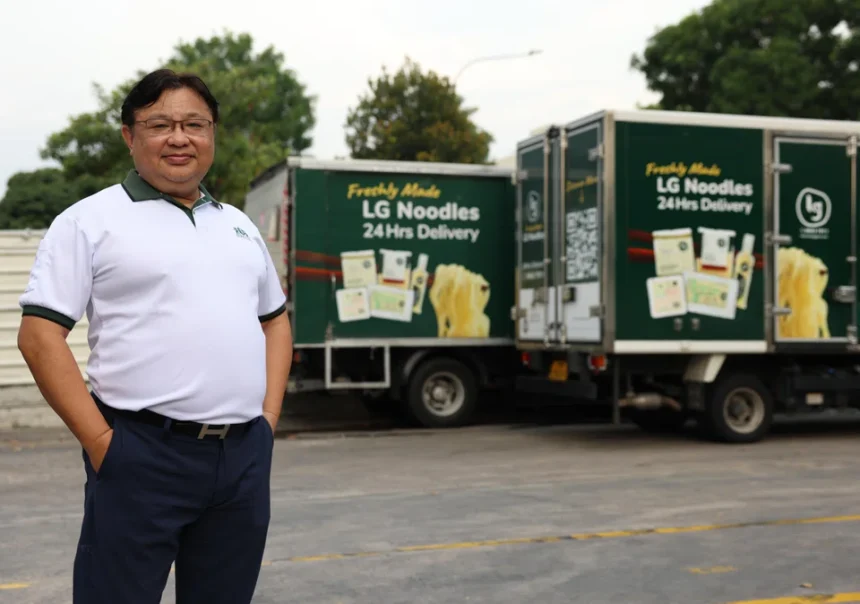
The landscape of food manufacturing within Southeast Asia is undergoing a structural evolution as local legacy brands embrace public equity markets to catalyze their corporate expansion. When a prominent Singaporean noodle manufacturer finalized its decision to take Leong Guan public, executive leadership embarked on a complex three year administrative journey that culminated in a successful listing on the Singapore Exchange Catalist board in December 2025. Navigating this rigorous transition required a thorough unbundling of over two decades of undocumented historical data, customer archives, and manufacturing procedures to comply with strict regulatory guidelines. Despite the immense operational challenges of organizing data for more than two thousand clients, the strategic capital market debut proved to be a highly rewarding milestone for the corporate entity.
The business successfully raised 4.75 million Singapore dollars through a fully subscribed placement, establishing an initial market capitalization of approximately 21.8 million Singapore dollars during a period of rejuvenated investor sentiment toward local equities. In its inaugural public financial disclosure released shortly after the listing, the corporation recorded a stable annual revenue growth of 6.6% to reach 40 million Singapore dollars, even though short term net profits experienced a temporary contraction to 497,800 Singapore dollars due to elevated listing expenses and aggressive development investments.
The successful completion of this initial public offering provides a clear blueprint for other closely held family businesses operating within traditional industry segments throughout the region. By transitioning away from opaque operational structures, companies can unlock substantial equity value and establish a formalized corporate governance framework that attracts institutional investment. This strategic shift not only optimizes the corporate balance sheet but also provides the necessary liquidity to fund ambitious long term expansion roadmaps.
Dominant Domestic Infrastructure And Consolidation Strategies
Securing a robust domestic market share has been a gradual process driven by consistent infrastructural upgrades and strategic asset acquisitions over multiple decades. Established originally in 2003 as a pure commercial trading enterprise, the Leong Guan brand transformed its business model in 2006 by developing dedicated noodle manufacturing facilities, which were later diversified in 2012 through the acquisition of a prominent soybean based beancurd production firm. Today, the enterprise maintains an unrivaled local footprint, manufacturing approximately thirty tonnes of fresh noodles and six tonnes of specialized beancurd products on a daily basis to supply hawker stalls and supermarket networks.
Industry estimates indicate that roughly twenty percent of all local noodle vendors utilize these high quality ingredients, translating to more than 280,000 meals distributed daily to the domestic population. To preserve and expand this dominant market share, management is utilizing its newly acquired public capital to pursue synergetic horizontal acquisitions within the fragmented food and beverage sector. Following the successful integration of a competing noodlemaker in 2021, the executive board is currently engaged in advanced negotiations with multiple legacy targets to optimize collective manufacturing capacity, streamline supply chain logistics, and achieve superior economies of scale across the regional market.
This aggressive consolidation strategy allows the enterprise to achieve significant operational cost savings by eliminating redundant administrative functions and optimizing factory utilization rates. By absorbing smaller, capital constrained competitors, the firm can rapidly expand its distribution footprint while defending its core market share against emerging low cost producers. Furthermore, the integration of automated processing technologies across newly acquired facilities helps mitigate the impact of persistent domestic labor shortages.
Navigating Global Macroeconomic Shocks And Industrial Leadership
Operating within the capital intensive food sector requires immense balance sheet resilience, particularly when unexpected global macroeconomic disruptions alter international commodity pricing. Following recent geopolitical volatility in the Middle East, escalating crude oil prices triggered a sharp spike in production and transportation costs, directly inflating the expenditures required to operate extensive delivery fleets and industrial boiler infrastructure. Recognizing that thin profit margins left minor industry players highly vulnerable to these compounding cash flow pressures, Leong Guan utilized its corporate stature as a listed entity to introduce a stabilizing fuel surcharge across its consumer product lines.
This proactive operational intervention not only insulated the firm from severe margin erosion but also provided a legitimate pricing benchmark for smaller domestic food manufacturers to emulate, safeguarding the broader industry from severe financial distress. This display of market leadership highlights the significant non-financial advantages of a public listing, as the enhanced regulatory transparency and corporate credibility grant the enterprise a much more influential voice when communicating with trade associations and corporate partners. By absorbing short term operational shocks through dynamic pricing mechanisms, the business effectively defends its domestic core while continuing to fund its long term strategic transformation.
The implementation of these sophisticated risk management frameworks allows the corporate entity to maintain its financial stability during periods of acute economic uncertainty. Furthermore, the ability to negotiate long term procurement contracts from a position of financial strength provides an additional buffer against raw material price spikes. This disciplined approach to operational resilience reinforces investor confidence and ensures long term commercial viability.
International Distribution Roadmap And Shifting Western Tastes
With a secure and highly optimized domestic base, the company is actively executing its international distribution roadmap to diversify its revenue streams beyond the saturated home market. Export operations currently contribute approximately five percent of total corporate revenue, with products successfully penetrating competitive retail sectors across Australia, Europe, and North America. Management regularly participates in major global trade expositions, such as Thaifex Anuga Asia and Gulfood in Dubai, to cultivate new commercial distribution networks and study changing consumer preferences in western jurisdictions.
Expanding into non-traditional geographic regions has required a high degree of operational flexibility, as local teams realized that traditional yellow noodles, which carry a distinct alkaline flavor profile, are less popular with foreign demographics compared to versatile rice based kway teow variations. In response to these market insights, the manufacturing divisions have adopted a highly open minded product development strategy, expanding their export portfolio to include health-oriented whograin options, convenient ready-to-eat meals, and premium imported functional foods like kimchi. The ultimate long term objective of the founding team is to successfully guide the Leong Guan enterprise from the growth oriented Catalist board up to the prestigious SGX Mainboard, solidifying its institutional reputation as a high growth corporate entity.
This methodical internationalization strategy minimizes exposure to domestic market saturation while tapping into the growing global demand for authentic ethnic food products. By modifying flavor profiles and packaging standards to suit specific regional compliance frameworks, the company enhances its cross border competitive advantage. This strategic agility positions the brand to capture high margin revenue streams from diverse international demographics.
Impact Projections And Capital Market Implications
The capital restructuring and subsequent public listing of a dominant domestic staple food manufacturer carries substantial macroeconomic implications for the regional food tech ecosystem and broader Singaporean equities market. In an era marked by restrictive global monetary policies and heightened supply chain fragmentation, this successful Catalist listing demonstrates the resilience of defensive consumer sector assets. Institutional asset managers are increasingly tilting their portfolios toward micro cap enterprises that display positive operational cash flows and significant domestic defensive characteristics over highly speculative pre revenue tech firms.
The successful deployment of the Equity Market Development Programme by regional monetary authorities has created a fertile environment for traditional, family run manufacturing businesses to institutionalize their capital configurations. By providing a clear case study of successful public listing execution, this transaction lowers the psychological barriers for other regional food processing companies considering equity market entry. This structural evolution accelerates the formalization of a historically fragmented industry, driving higher regional productivity and raising the baseline corporate governance standards across the local manufacturing landscape.
Furthermore, the introduction of strategic fuel surcharges by a dominant listed market leader sets an important financial precedent regarding industrial pricing power within emerging markets. In traditional, low margin sectors like food manufacturing, individual family enterprises often delay critical pricing adjustments out of fear of market share erosion, ultimately leading to widespread insolvencies during prolonged inflationary cycles. When an institutionalized corporate actor takes the lead in implementing transparent, indexed cost pass through mechanisms, it effectively establishes an operational floor that preserves the financial viability of the entire supply chain.
Over the medium term, equity analysts expect this consolidation trend to alter the regional mergers and acquisitions environment, as smaller, unlisted enterprises will be forced to choose between merging with capitalized corporate platforms or facing margin compression. Consequently, this public listing marks a crucial structural shift toward an integrated, corporate dominated consumer staples sector that possesses the balance sheet strength to withstand global commodity shocks and successfully export local food manufacturing infrastructure to global consumer markets.