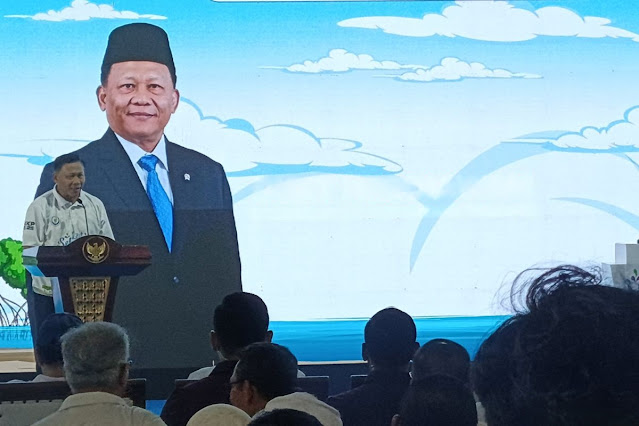
New National Initiative for Healthy Oceans
The Ministry of Marine Affairs and Fisheries in Indonesia is launching a significant new initiative known as the Waste-Free Healthy Oceans (Laut Sebasah) program, a direct and comprehensive response to the nation’s pressing marine debris problem. This initiative marks a crucial step in the government’s efforts to protect its vast coastal and marine ecosystems. The program will implement direct, on-the-ground interventions in key areas such as rivers, coastal zones, small islands, and ports, which serve as the primary entry points for waste into the ocean. The initiative is designed as a broad, cross-sectoral collaboration, involving a wide array of government bodies, from various ministries and agencies to regional governments, as well as private organizations and non-governmental organizations. This multi-stakeholder approach underscores the government’s serious and coordinated commitment to addressing the environmental challenge from multiple angles, ensuring a unified and impactful effort to combat marine pollution across the archipelago.
Addressing a Growing Environmental Crisis with Strategic Action
The new Laut Sebasah program is a timely and necessary response to a growing environmental crisis, as highlighted by recent national data. According to projections from the National Waste Management Information System (SIPSN), Indonesia is expected to generate a staggering 50 million tons of waste in 2025. Alarmingly, a significant portion of this total, approximately 20 million tons, could potentially find its way into the ocean through various channels, posing a major and immediate risk to coastal ecosystems, marine life, and public health. To combat this monumental challenge, Director General of Marine Management, Koswara, has confirmed that the ministry will begin by conducting strategic assessments of area management to identify key issues and bottlenecks. The results of these assessments will then be used to provide targeted incentives or disincentives, creating a data-driven and flexible approach to waste management that can be adapted to the unique needs of different regions.
Clear Vision for a Sustainable Future
The ultimate goal of the Laut Sebasah program is not only ambitious but also crucial for Indonesia’s long-term environmental health. The mission is to prevent 70% of waste from entering the ocean by 2029, an ambitious target that relies on the joint commitment and sustained action across all sectors and regions. This initiative is designed to be more than just a cleanup effort; it is about fundamentally changing behaviors, improving waste management infrastructure, and fostering a culture of environmental responsibility throughout the nation. By setting a clear and measurable goal, the government is providing a definitive roadmap for all stakeholders to follow, ensuring a coordinated and impactful effort. This forward-looking program underscores the government’s commitment to a sustainable future for Indonesia’s oceans and a healthier environment for its citizens, demonstrating that large-scale environmental challenges can be effectively tackled with a unified national strategy.