New Tariffs Reshape the Global Trade Landscape
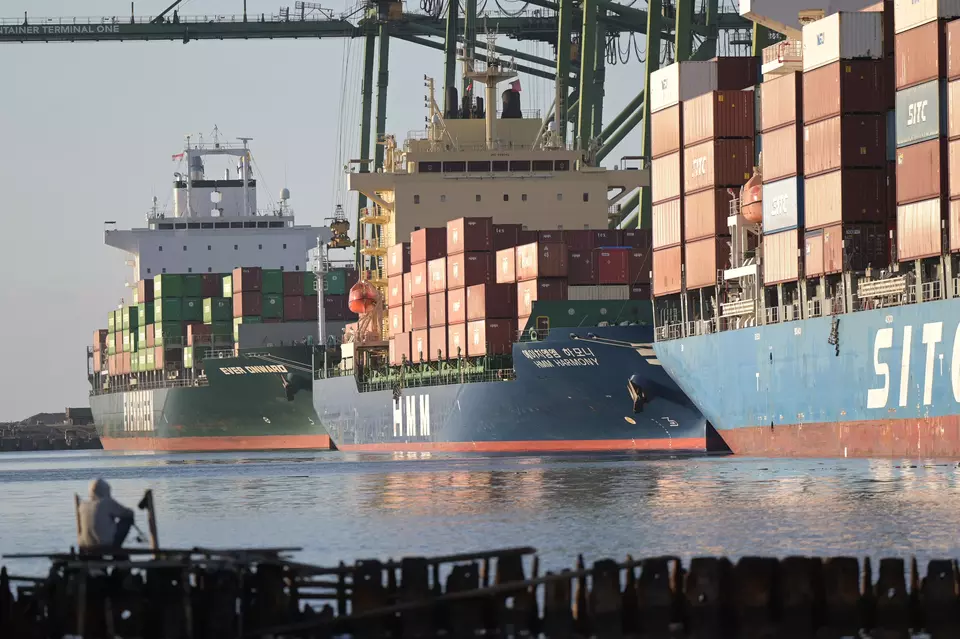
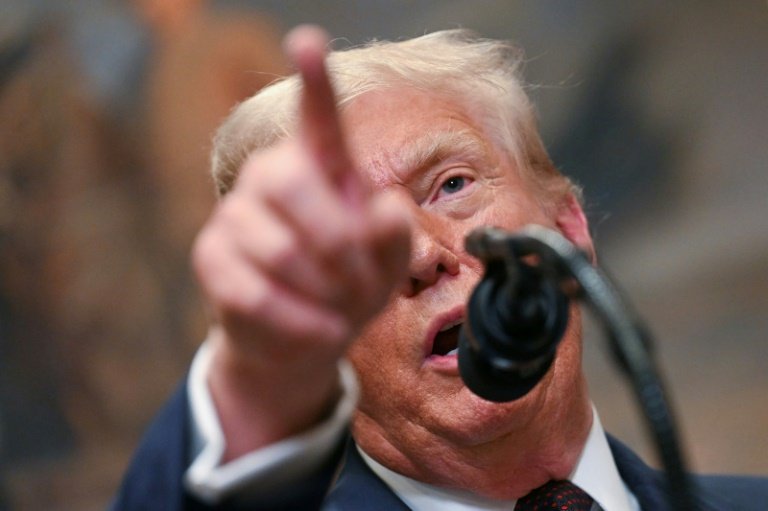
President Donald Trump has unveiled a new and extensive round of tariffs, affecting imports from nearly 70 countries as part of his stated goal to fundamentally reshape global trade in a way that he believes will favor the US economy. This sweeping policy includes a particularly significant measure: a substantial 35% duty on goods from neighboring Canada. Unlike the one-week reprieve offered to most countries to allow for further negotiation, the tariff on Canadian goods will take effect immediately. This specific and immediate action follows Canadian Prime Minister Mark Carney’s announcement of plans to recognize a Palestinian state, providing a clear geopolitical context for what might otherwise appear to be a purely economic decision. By combining these aggressive economic measures with diplomatic pressure, the administration is signaling a new era of trade relations where economic policy is a powerful tool to achieve broader foreign policy objectives.
A Complex Web of Tariffs and Negotiations
The new duties, which can reach as high as 41% depending on the trading partner, are a continuation of the “reciprocal” tariffs that were initially imposed in April. A key aspect of the new executive order is a strict rule that any goods “transshipped” through other jurisdictions to evade US duties will be hit with an additional 40% tariff, a measure designed to prevent circumvention. While Canada faces an immediate increase, a different approach was taken with Mexico, another major trading partner. Following talks with President Claudia Sheinbaum, a potential tariff increase was delayed for 90 days. Despite these new measures, exemptions for imports under the North American trade pact remain in place, creating a complex and sometimes contradictory trade environment. Experts, such as Wendy Cutler of the Asia Society Policy Institute, have expressed concern, stating that the new order “tears up the trade rule book that has governed international trade since World War II,” highlighting the uncertain long-term effects of this aggressive strategy on the global economy.
A Mixed Outcome for International Partners
The implementation of these tariffs comes after two prior postponements and has been met with legal challenges regarding the president’s use of emergency economic powers. While the administration has promoted the policy by citing a surge in customs revenues, many economists are concerned about the potential for significant inflationary effects on American consumers and businesses. The international response has been varied, with several countries and blocs successfully negotiating deals to avert the steepest tariff rates. This group includes key US allies and partners such as Vietnam, Japan, Indonesia, the Philippines, South Korea, and the European Union, demonstrating that diplomatic engagement can yield results. Meanwhile, China remains in a separate round of negotiations, with its own tariff deadline set for August 12, underscoring the ongoing and distinct nature of its trade relationship with the United States. This mixed outcome for international partners illustrates the selective and complex nature of the new trade policy, where some nations are able to negotiate more favorable terms while others face immediate and significant economic pressure.