Strategic Preparation for the 2026 AGM Season in Vietnam
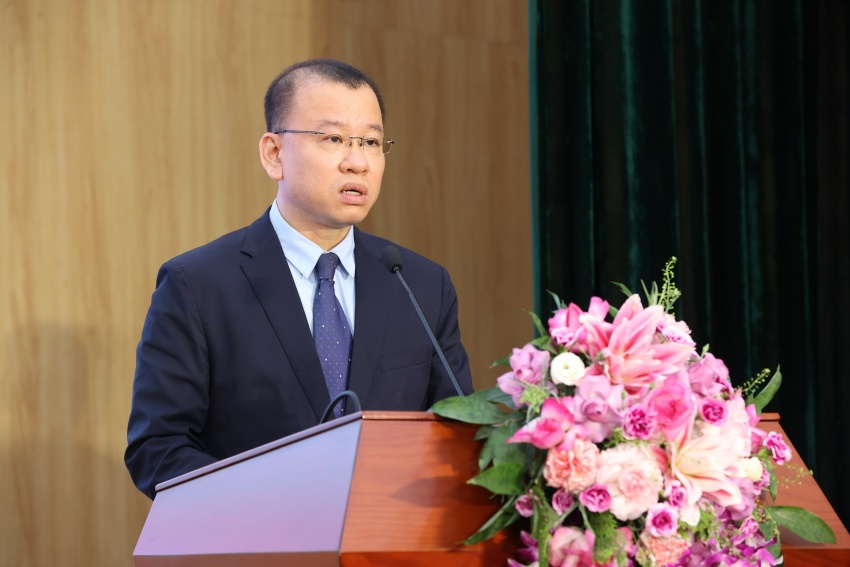
On March 10, 2026, Vietnam’s financial regulators and market institutions hosted a significant forum to discuss the evolving dynamics of the upcoming AGM season. This annual event, titled “Compliance or Breakthrough – Efficiency or Sustainability,” served as a critical platform for public companies to align their strategies with international standards. The conference was jointly organized by the State Securities Commission of Vietnam, the Vietnam Stock Exchange, and various regional exchanges to address the growing scrutiny from global investors. As international capital increasingly focuses on governance capacity and commitments to environmental, social, and governance (ESG) standards, the AGM has emerged as the most visible stage for demonstrating a firm’s integrity.
Vietnam’s stock market is currently moving closer to an emerging market upgrade under Morgan Stanley Capital International’s classification, making transparency more vital than ever before. With the International Financial Centre in Ho Chi Minh City now officially operational and the introduction of the Vietnam Corporate Governance Code, listed firms are under pressure to move beyond simple legal compliance. Experts at the forum emphasized that institutional investors do not just look at financial statements; they observe how a company manages its dialogue with shareholders during a formal AGM setting. A well-organized meeting acts as a credible signal to pension funds and major institutions that a company is professional, transparent, and ready for global participation. Consequently, the quality of information disclosure and the depth of board explanations are now being assessed as key performance indicators by the broader market.
Enhancing Corporate Governance through Substantive Shareholder Dialogue
According to market leaders from the Ho Chi Minh Stock Exchange (HSX), the annual general meeting should no longer be viewed as a mere administrative hurdle, but as a strategic opportunity for meaningful engagement. Improving the quality of an AGM is fundamentally about strengthening corporate credibility and ensuring continued access to international capital. This shift in perspective is particularly relevant in 2026, as significant regulatory changes have altered the legal landscape for corporate governance in Vietnam. Important adjustments, such as the amendments to the Enterprise Law 2025 and new decrees regarding securities law implementation, have introduced the concept of the “beneficial owner.”
This new regulatory framework aims to identify the individuals who ultimately control complex ownership structures, thereby enhancing transparency for both regulators and the investing public. During the forum, speakers noted that investor confidence is an accumulated asset, and every AGM serves as a vital touchpoint in building that long-term reputation. Companies are encouraged to provide comprehensive documentation well in advance and create genuine opportunities for shareholders to contribute opinions and ask probing questions. By fostering a culture of open dialogue, firms can demonstrate their leadership’s capability and their commitment to fair treatment of all stakeholders. This professional approach to governance helps to mitigate risks and ensures that the company’s strategic direction is clearly communicated and understood by the market. As Vietnamese companies continue to evolve, those that prioritize high-quality communication and substantive transparency will be better positioned to attract long-term, high-quality institutional investment.
Technological Innovation and the Future of Investor Communication
The future of corporate meetings in Vietnam is increasingly defined by the integration of digital technology and a more interactive communication strategy. During panel discussions held simultaneously in Hanoi and Ho Chi Minh City, industry experts highlighted a growing trend toward adopting e-voting systems and online participation tools. These technological advancements allow for broader shareholder engagement, especially for foreign investors who may not be able to attend sessions in person. By leveraging these tools, a company can transform its AGM from a localized regulatory requirement into a global corporate communication event.
This digital transition is not just about convenience; it is about expanding the democratic rights of shareholders and ensuring that every vote is accurately captured and reported. Furthermore, speakers at the forum emphasized that the ability to present a clear strategic direction and demonstrate ESG commitments is now a central component of a successful meeting. As the 2026 season progresses, the use of technology will likely become a benchmark for assessing a company’s professionalism and its willingness to embrace modern governance standards. The successful execution of a transparent, tech-enabled meeting provides a powerful narrative of a company’s resilience and its readiness to compete on the international stage. Ultimately, these events are becoming sophisticated platforms for companies to build market confidence and showcase their governance maturity. By viewing the meeting as a pillar of their communication strategy, Vietnamese firms can effectively signal their readiness for the emerging market upgrade and their dedication to sustainable, transparent growth in the years to come.
Macroeconomic Maturation and Regional Capital Market Analysis
The structural shift toward advanced governance standards in 2026 represents a critical inflection point for Vietnam’s broader B.I.F.E. landscape. We analyze that the convergence of the Ho Chi Minh City International Financial Centre’s operational launch and the new beneficial ownership disclosures acts as a localized catalyst for institutional capital inflows. From a professional financial perspective, the 2026 AGM season is no longer a domestic affair but a prerequisite for sovereign competitiveness within the ASEAN region. We observe that the market is pricing in a governance premium, where entities demonstrating superior transparency during their annual proceedings are witnessing lower volatility and improved liquidity compared to their less communicative peers. The focus on identifyng ultimate controllers directly addresses the systemic risk of cross-ownership, which has historically been a barrier for large-scale pension funds seeking entry into the Vietnamese industrial and banking sectors.
Furthermore, we project that the integration of ESG-centric dialogues within the AGM framework will accelerate the adoption of green finance instruments across Hanoi and Ho Chi Minh City. This evolution in corporate communication signifies that Vietnam is successfully moving away from an opaque frontier market model toward a transparent emerging market architecture. For global asset managers, the quality of a board’s explanation regarding strategic pivots in a changing climate has become a primary metric for long-term valuation. The transition to tech-enabled shareholder participation is not merely a logistical update; it is a fundamental expansion of investor rights that mirrors the maturity seen in more established markets like Singapore. We conclude that this period of regulatory refinement and technological adoption is essential for securing Vietnam’s position as a premier destination for sustainable international investment through the end of the decade.