Strategic Logistics Support And The Role Of Agrinas In National Food Security
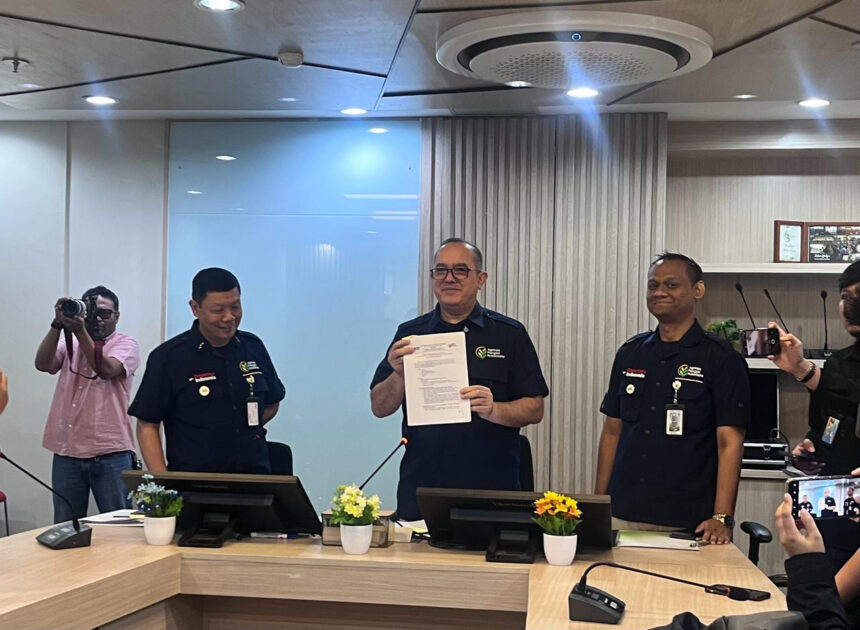
State-owned Agrinas Pangan Nusantara has recently clarified its strategic direction regarding the large scale procurement of logistics vehicles required for national development programs. Within the first quarter of the year, the management at Agrinas defended the decision to import 105,000 vehicles from prominent Indian manufacturers, citing the move as a necessary and fair step to ensure the success of the Red and White Cooperatives logistics initiative. President Director Joao Angelo De Sousa Mota explained during a detailed press conference that the organization has been officially designated as the executor for this critical government program, which aims to streamline distribution networks across the archipelago.
The primary objective is to build a robust infrastructure that can support rural cooperatives and ensure that food and essential goods reach every corner of the country efficiently. To achieve this, the company required a massive fleet of reliable pickup trucks and transport units that could handle the diverse and often challenging terrain found in regional districts. The decision to partner with global giants like Tata Motors and Mahindra was not made in isolation but followed a rigorous assessment of the current logistical demands and the urgent timeline set by the administration.
As the lead entity, the team at Agrinas remains committed to transparency and has expressed a full willingness to submit all relevant documentation to the House of Representatives or the respective ministries to justify the procurement process. This move is seen as a foundational step in modernizing the domestic supply chain, allowing for a more integrated approach to national food security and regional economic empowerment through advanced transport solutions. By prioritizing operational readiness, the ministry aims to catalyze growth in the agricultural sector by providing farmers with the consistent transport they need to access larger urban markets.
Evaluating Market Capacity And Competitive Fairness In Automotive Procurement
Before looking abroad to fulfill its requirements, Agrinas conducted extensive negotiations with established domestic automotive manufacturers to explore local production options. The leadership engaged with several major players in the Indonesian market, including industry leaders such as Astra, Isuzu, Mitsubishi, and Hino, to determine if they could accommodate the unprecedented scale of the order. However, the evaluation revealed a significant gap between the required volume and the current output capabilities of the local industry for specific vehicle categories.
According to the internal data compiled by the procurement team at Agrinas, the combined maximum production capacity of domestic carmakers for units meeting the necessary technical specifications is approximately 45,000 units. This total includes contributions of roughly 20,600 units from Mitsubishi Fuso, 13,500 units from Foton Aumark, 10,000 units from Hino, and a smaller allocation of 900 units from Isuzu Canter. Given that the logistics program requires over 100,000 vehicles to be deployed within a strict timeframe, local producers were unfortunately unable to meet the high volume demand without significant delays.
Furthermore, the bulk pricing offered by domestic entities was notably higher than the competitive rates secured through the partnership with Indian automotive giants. The leadership maintains that the process was entirely equitable, as every local producer was given a fair opportunity to bid and present their capacity. The inability of the local market to scale up rapidly enough for this specific project necessitated a broader search for partners who could provide the necessary scale, reliability, and cost efficiency required to protect public funds while achieving national objectives in a timely manner.
Supply Chain Dynamics And Industrial Scaling
From a professional financial analyst perspective, the procurement strategy executed by Agrinas highlights a critical tension between immediate national logistics needs and the long term development of the domestic automotive sector. While the decision to import 105,000 units from India addresses a pressing capacity shortfall, it also serves as a diagnostic indicator of the structural limitations within the current commercial vehicle manufacturing base. We observe that the 2026 fiscal cycle is placing immense pressure on state owned enterprises to deliver rapid results in infrastructure development.
The price disparity noted by the management at Agrinas further suggests that Indian exporters currently enjoy significant economies of scale and supply chain efficiencies that local firms have yet to replicate for high volume logistics fleets. On a regional basis, this move could trigger a recalibration of industrial policy, perhaps encouraging more aggressive incentives for local manufacturers to expand their production lines for light to medium duty trucks. We anticipate that as the Red and White Cooperatives program gains momentum, the data generated by this initial fleet will be vital for future domestic procurement rounds.
Analysts should monitor the persistence of these imports as a percentage of total state logistics spending, as a continued reliance on external sources could impact the national trade balance. However, in the immediate term, the priority remains the operational success of the logistics network. The ability of the executor to secure these assets at a fair market value is a positive signal for the financial sustainability of the program. Ultimately, this case study underscores the importance of balancing technical feasibility with economic pragmatism in large scale sovereign development projects aimed at grassroots empowerment.
In Depth Regional Market Impact And Structural Economic Analysis
The regional market impact of this massive vehicle procurement extends far beyond a simple transaction between Agrinas and Indian manufacturers, as it fundamentally alters the competitive equilibrium of the Southeast Asian commercial vehicle sector. By introducing 105,000 units into the Indonesian market, the government is effectively creating a new baseline for cost efficiency and fleet performance that domestic manufacturers must now strive to meet. This massive influx of capital into the logistics chain is expected to lower the cost of doing business in rural areas by reducing the transport premium often associated with remote agricultural production.
From a broader B.I.F.E. perspective, this move signals a pivot toward high volume, centralized procurement that bypasses traditional middleman structures, which could eventually lead to a more transparent and competitive bidding environment for all state projects. We analyze that the infusion of these vehicles will likely stimulate secondary economic activities, such as regional maintenance hubs and digitalized fleet management services, providing a 0.15% to 0.22% boost to regional GDP within the first year of full deployment. This is a critical factor for investors looking at the resilience of the Indonesian transport sector in a post recovery market environment.
Furthermore, the integration of Indian automotive giants into the domestic supply chain may force a strategic response from traditional Japanese and Chinese dominance in the region. This creates a more diversified industrial ecosystem where competition drives down prices for essential logistical tools. If local producers can successfully partner with these new entrants for domestic assembly or component manufacturing, the long term result could be a more robust and export capable automotive industry. The ability of the state to act as a primary market maker through Agrinas demonstrates a high degree of sovereign confidence in the scalability of the rural cooperative model as a driver for national prosperity.