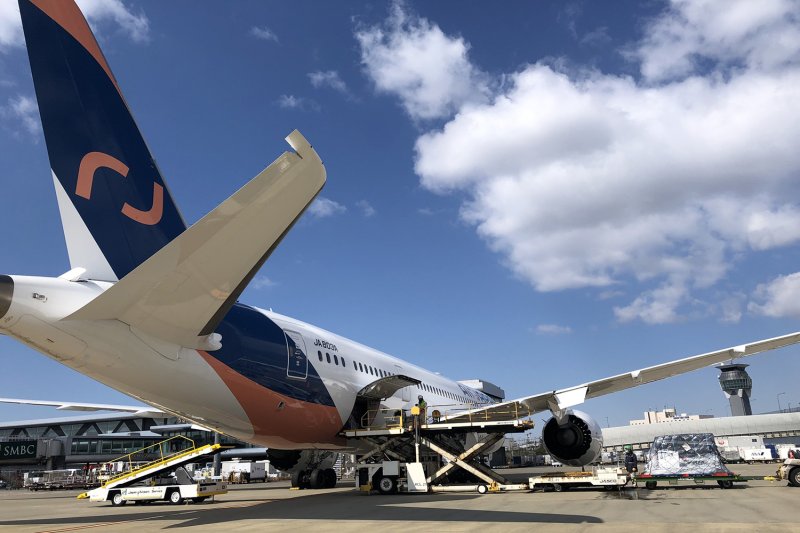
Final Operational Departure And Strategic Transition For AirJapan
The aviation landscape in Southeast Asia witnessed a significant shift this week as AirJapan officially announced the conclusion of its dedicated Bangkok service on Monday. This low-cost carrier, a subsidiary of the ANA Group, utilized its official Thai social media presence to express deep gratitude to the many passengers who have frequented the Bangkok-Narita airport route over its operational lifespan. The announcement followed shortly after the final scheduled flight from Suvarnabhumi airport successfully touched down at Tokyo’s Narita airport, marking the end of a specific chapter in regional travel.
On Sunday, flight NQ2 departed from the Thai capital at 1.18 AM and completed its five-hour journey to Tokyo by 8.19 AM local time, serving as the symbolic curtain call for the airline’s independent flight schedule. While the physical aircraft will no longer bear the specific branding for this route, the company has promised to maintain a digital connection with its loyal community of past travelers. The decision to cease all independent operations by Wednesday comes as part of a broader corporate restructuring designed to optimize the fleet and resources of the parent organization.
By integrating these assets back into the primary network, the group aims to streamline its service offerings while ensuring that the high standards of Japanese hospitality remain accessible to international markets through its sister brands. This transition reflects the highly competitive nature of the modern budget airline sector, where strategic reallocation of aircraft is often necessary to sustain long-term growth and operational efficiency. Even as the final engines cool on the tarmac, the brand legacy continues through a renewed focus on customer engagement and historical storytelling.
Parent Company Resource Allocation And Mainline Expansion
The cessation of independent flights by AirJapan is not merely a service withdrawal but a tactical move by the ANA Group to strengthen the international presence of All Nippon Airways. By reallocating the existing aircraft from the low-cost subsidiary to the main carrier, the group can effectively expand its premium international network and provide more consistent scheduling on high-demand routes. This move allows the parent company to leverage its most modern assets where they can generate the highest value, particularly in a post-pandemic market that increasingly favors reliability and integrated service networks.
The specialized narrow-body or wide-body configurations previously utilized by the budget arm will now be retrofitted or reassigned to meet the rigorous standards of the mainline fleet. This internal shift ensures that no technical resources go to waste, as the group seeks to capture a larger share of the global travel market during the busy 2026 summer season. For many industry analysts, this consolidation is seen as a sign of maturing market conditions where brand clarity and operational scale are paramount.
The personnel and technical crews associated with the former service are also expected to find new roles within the larger corporate umbrella, preserving the expertise developed during the subsidiary’s tenure. While the independent brand of the carrier will no longer appear on flight boards, the spirit of its mission to connect Tokyo and Bangkok remains embedded in the group’s broader flight map. This consolidation strategy highlights the agility required by major aviation groups to navigate fluctuating fuel costs and shifting passenger preferences in a globalized economy.
Digital Community Engagement And Crew Legacy Maintenance
Despite having no planes currently in active service, the digital presence of AirJapan is set to undergo a unique transformation to keep its followers updated on the activities of its former aircrew. The company has explicitly stated that its Facebook Thailand page will remain active, serving as a hub for travel tips, airline-related insights, and behind-the-scenes stories from the professionals who made the Bangkok route possible. This innovative approach to brand sunsetting demonstrates a commitment to maintaining community ties even in the absence of a physical product.
By sharing updates on where former crew members are now and providing valuable information related to the airline industry, the brand hopes to preserve the goodwill it built with Thai travelers over the years. This strategy of soft landing for a brand identity is relatively rare in the aviation world, where most subsidiaries simply vanish once their parent company absorbs their assets. The continued social media activity will likely cover a variety of topics, including travel etiquette, cultural highlights of Japan, and technical explanations of flight operations that enthusiasts find fascinating.
It serves as a digital archive and a living community for those who appreciated the specific culture and service style of the low-cost carrier. Furthermore, this ongoing engagement helps the parent company maintain a direct marketing channel to a verified audience of frequent flyers who may eventually transition to the mainline service. By keeping the conversation alive, the group ensures that if market conditions ever allow for a brand revival or a new subsidiary launch, they will already have a captive and engaged audience ready to listen.
Strategic Analysis Of Market Consolidation And Regional Aviation Dynamics
The absorption of AirJapan assets into the ANA mainline operation signals a sophisticated pivot toward yield optimization within the highly contested Thailand-Japan corridor. From a structural perspective, this move reflects a broader regional trend where full-service carriers are abandoning fragmented low-cost sub-brands in favor of a unified, premium identity that can better absorb the inflationary pressures of 2026. By removing the administrative overhead of a standalone budget entity, the group effectively compresses its operational cost base while simultaneously shielding itself from the predatory pricing strategies typical of the ultra-low-cost segment.
This consolidation is particularly significant for the Bangkok aviation hub, as it reduces seat overcapacity on the Narita route, likely leading to a stabilization of average ticket prices across the sector. For institutional investors, the reallocation of these aircraft into the All Nippon Airways fleet represents a de-risking of capital assets, moving them from a low-margin subsidiary to a high-yield international network with established corporate contracts. We analyze that this shift will likely trigger similar tactical withdrawals from other regional players who find their multi-brand strategies unsustainable in an era of rising sustainable aviation fuel costs and tightened credit liquidity.
Furthermore, the retention of the digital community in Thailand serves as a sophisticated defensive maneuver against loss of market share to regional competitors like Thai Airways or Zipair. By maintaining an active social channel without the burden of flight operations, the parent group preserves its local brand equity and consumer data for future market re-entry or premium cross-selling. This strategic use of intangible assets confirms an expert-level understanding of the 2026 travel landscape, where digital loyalty often outweighs physical fleet size in determining long-term sovereign market dominance. The resulting increase in mainline capacity will likely fortify the group’s position as a primary gateway for trans-Pacific and regional trade, leveraging a leaner, more agile organizational structure.