Simplifying Cross Border Transactions Through Alipay Integration
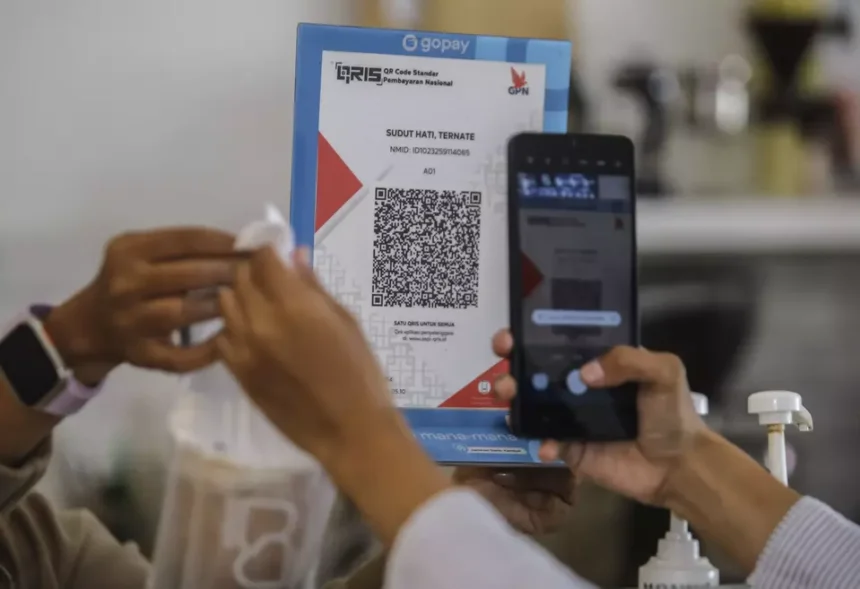
Indonesian travelers now enjoy unprecedented financial convenience as major domestic banks integrate their mobile platforms with the Alipay ecosystem. The launch of this sophisticated cross border payment system on April 30 marks a transformative era for regional digital finance. By connecting the national QRIS standard developed by Bank Indonesia with Chinese payment giants, the initiative effectively eliminates the traditional burdens of exchanging physical currency or carrying large amounts of cash in foreign denominations.
This seamless integration allows users to scan QR codes at millions of merchant locations across China, with transactions being settled directly in Indonesian rupiah at competitive exchange rates. The four largest financial institutions in the country including Bank Rakyat Indonesia, Bank Negara Indonesia, Bank Mandiri, and Bank Central Asia have all embedded these cross border services into their flagship mobile applications. This rollout is the culmination of a successful pilot phase initiated in August 2025 which demonstrated significant demand by generating over 1.6 million transactions.
Beyond short term tourists, the system provides immense value to the thousands of Indonesian students and professionals residing in China who require a reliable and cost effective way to manage daily expenses. By leveraging the existing infrastructure of the Alipay network, these banks are providing a level of accessibility that was previously reserved for high end credit card users, now democratizing digital payments for all mobile banking customers traveling abroad. This move also reflects a broader institutional push toward digital sovereignty while maintaining global connectivity.
Technological Synergy Between Indonesian Banks And Chinese Ecosystems
The technical bridge established between Indonesian mobile apps and the Alipay platform reflects a broader trend of financial synchronization across the Asian continent. Bank Rakyat Indonesia was a pioneer in this space having initially established a connection to support inbound Chinese tourism as early as 2020, but the new arrangement now empowers Indonesian customers to transact with equal ease when visiting the mainland. Similarly, Bank Negara Indonesia has introduced specialized features within its mobile platform to facilitate instant payments at various merchants that accept international digital wallets.
The rapid adoption of these services is evidenced by the remarkable growth figures reported by Bank Mandiri, which saw a 137 percent surge in the value of its cross border QR transactions shortly after the integration. To further support these high volume users, some lenders have even introduced yuan denominated multicurrency accounts that allow for seamless cash withdrawals and digital transfers without incurring excessive conversion fees. The success of this partnership with the Alipay ecosystem is part of a larger strategic expansion that includes similar QR connectivity in neighboring markets like Malaysia, Singapore, and Thailand.
This interconnectedness not only simplifies the consumer experience but also strengthens the economic ties between Indonesia and its largest trading partners by fostering a more fluid exchange of goods and services. The ability to use a familiar domestic app to pay for everything from street food to high end retail in a foreign country represents a significant leap forward in the user journey of the modern digital traveler. As technical barriers continue to fall, the focus shifts toward maintaining robust cybersecurity and ensuring that data privacy standards are upheld across different jurisdictions.
Future Outlook For Regional Digital Payment Interoperability
As the collaboration with the Alipay network continues to mature, it sets a global benchmark for how national payment standards can be harmonized to promote regional economic resilience. The integration of QRIS with major Chinese digital wallets ensures that small and medium sized enterprises in both countries can participate in the burgeoning cross border economy without needing expensive point of sale hardware. This interoperability is a core component of Bank Indonesia’s vision for a digital financial future where the rupiah remains the primary unit of account even during international travel.
By utilizing the Alipay infrastructure, Indonesian banks are able to provide a secure and encrypted environment for every transaction, significantly reducing the risks associated with theft or fraud that come with carrying physical money. The massive transaction volumes recorded during the pilot phase suggest that as international travel continues to rebound, the reliance on these digital corridors will only grow stronger. Furthermore, the expansion of these services into other East Asian markets like Japan and South Korea indicates that the current model is highly scalable and adaptable to different regulatory environments.
For the millions of Indonesians who interact with the Chinese market annually, this technological breakthrough means that financial borders are becoming increasingly invisible. The ongoing efforts to refine these digital systems will likely lead to even faster processing times and more integrated loyalty programs that reward users for choosing digital over cash. Ultimately, this partnership is not just about convenience; it is about building a robust digital highway that supports the aspirations of a globally connected Indonesian populace while strengthening the nation’s financial standing in Asia.
Macroeconomic Impact Analysis Of China-Indonesia Digital Payment Corridors
From a financial analyst’s perspective, the synchronization of the QRIS standard with the Chinese digital payment ecosystem represents a strategic move to optimize current account transactions and reduce US dollar dependency in regional trade. By facilitating direct rupiah to yuan settlement through the Alipay and UnionPay networks, Bank Indonesia is effectively implementing a localized version of a multicurrency clearing system that bypasses traditional global correspondent banking hurdles. This reduces the transaction friction costs for the millions of individual actors within the bilateral trade corridor, which historically have been eroded by multiple conversion spreads and processing fees.
The local market impact in Indonesia is particularly noteworthy as it forces a rapid modernization of the domestic banking backend to handle real time cross border settlement risks and liquidity management. For the big four banks, this integration serves as a powerful tool for customer retention, as the mobile app evolves from a simple balance checking tool into a global financial passport. We are seeing a platformization of Indonesian banking where the value proposition is no longer the interest rate on savings, but the breadth of the digital ecosystem the bank can access. This move also creates a massive data set on consumer spending patterns abroad, which can be leveraged for more accurate credit scoring and personalized financial products.
Furthermore, this digital integration provides a significant hedge against regional currency volatility by allowing for more transparent and immediate price discovery at the point of sale. For the Indonesian economy, the reduced need for physical foreign exchange reserves for outbound tourism could lead to more stable domestic liquidity conditions. The success of this initiative will likely embolden other emerging markets to pursue similar bilateral digital treaties, potentially leading to a fragmented global payment landscape where regional blocks prioritize internal interoperability over universal Western centric systems. For long term investors, the banks that successfully navigate this transition will likely see improved non interest income margins and a more diversified revenue base, solidifying their positions as the primary gatekeepers of the Southeast Asian digital economy.