Capitalargo.com – In the past decade, Malaysia has witnessed a gradual yet significant transformation in its agricultural sector. Once known for its traditional farming methods and reliance on commodities like palm oil and rubber, the nation is now embracing digital innovation through the rapid growth of agri-tech. This evolution has captured the attention of global and local investors, prompting an in-depth analysis of Venture Capital investment trends in Malaysian agri-tech.
Venture Capital (VC) firms have started to recognize the long-term potential of Malaysia’s agriculture industry, especially as the world seeks sustainable food solutions and climate-resilient farming practices. The convergence of data analytics, automation, biotechnology, and the Internet of Things (IoT) has created fertile ground for startups to innovate—and for investors to capitalize on these opportunities.
Malaysia’s Agriculture Sector at a Crossroads
Agriculture remains a cornerstone of Malaysia’s economy, contributing around 7% to GDP and employing nearly 10% of its workforce. However, the industry faces pressing challenges such as aging farmers, fluctuating commodity prices, and environmental degradation.
In response, Malaysia has been accelerating its agri-tech transformation through initiatives like the National Agro-Food Policy (2021–2030) and Malaysia Digital Economy Blueprint (MyDIGITAL). These programs emphasize modernization, sustainability, and technological adoption to improve productivity and attract investment.
As digital transformation takes root, venture capital investors are increasingly drawn to startups capable of solving deep-seated agricultural inefficiencies—from precision farming and smart irrigation to vertical agriculture and AI-powered supply chain analytics.
The Rise of Agri-Tech Innovation in Malaysia
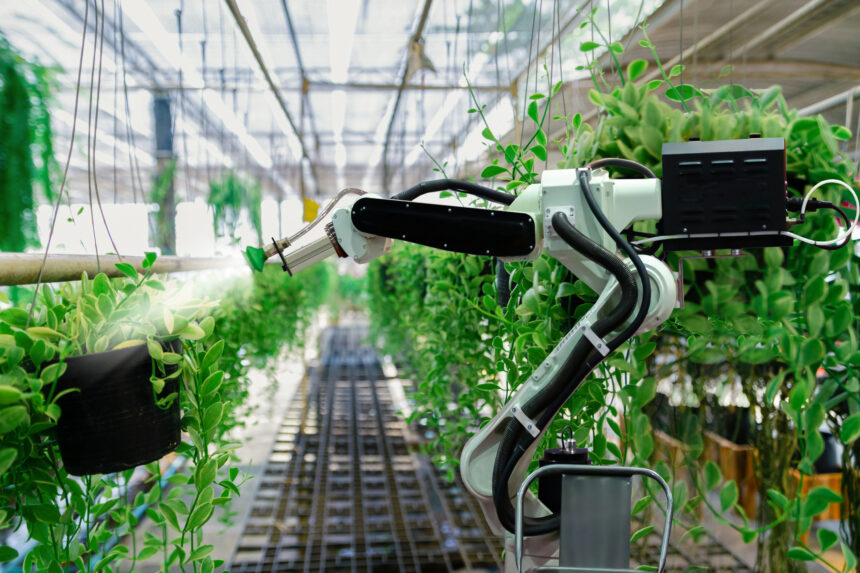
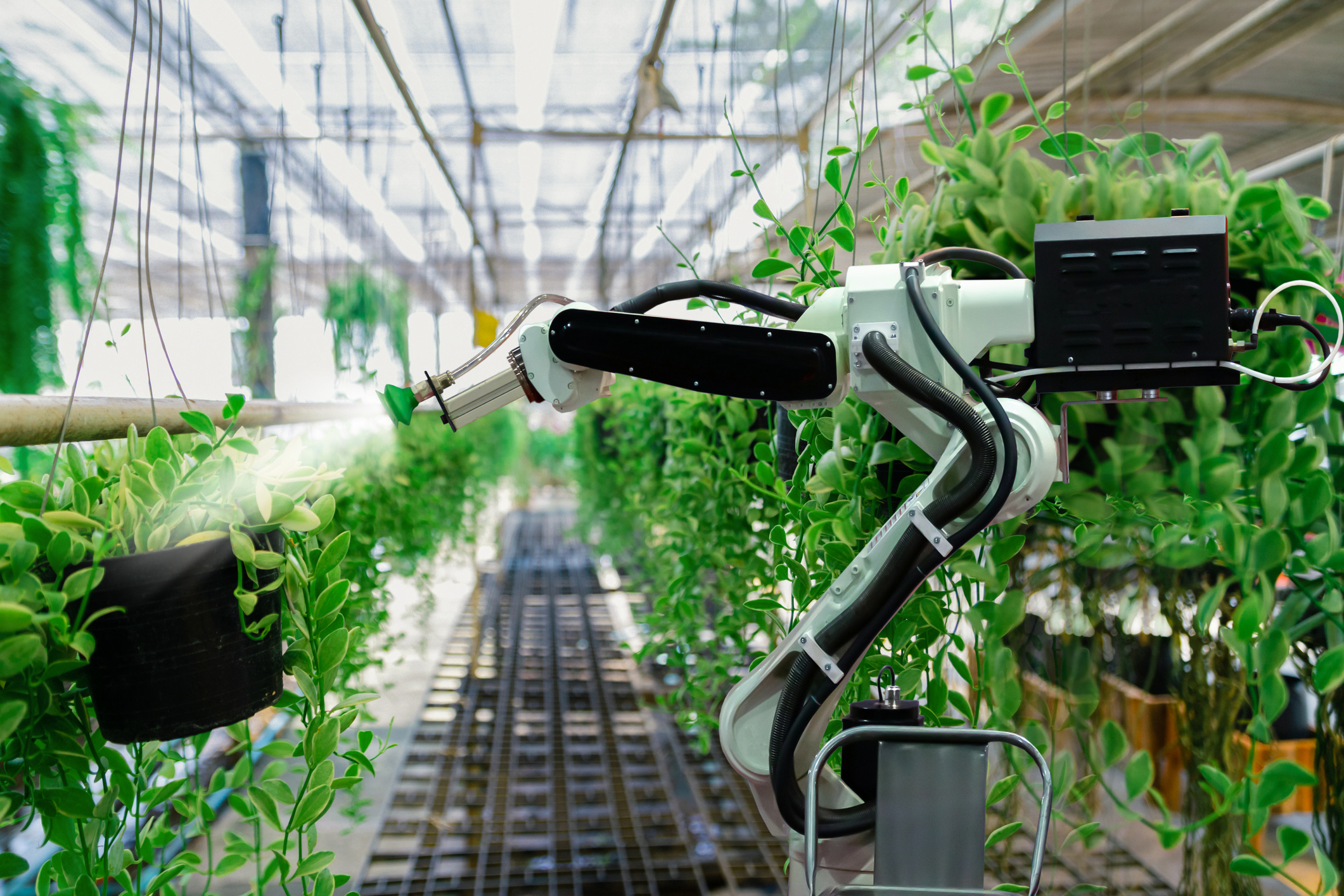
The agri-tech ecosystem in Malaysia has evolved significantly over the past five years. Early startups focused on marketplace platforms and small-scale farm management solutions, but the new generation of companies is integrating high-tech capabilities such as drones, sensors, and AI algorithms.
Key innovation areas include:
- Precision Agriculture: Using data and sensors to monitor soil health, crop conditions, and irrigation needs.
- Agricultural Biotechnology: Enhancing crop yields and resilience through bioengineering and sustainable inputs.
- Supply Chain Optimization: Using blockchain and AI to ensure transparency from farm to consumer.
- Alternative Proteins: Developing plant-based or lab-grown meat solutions for food sustainability.
- Vertical and Smart Farming: Utilizing automation and IoT in controlled environments to maximize output and reduce land dependency.
This innovation wave has attracted growing VC interest, signaling confidence in Malaysia’s capacity to lead the agri-tech revolution in Southeast Asia.
Understanding Venture Capital Investment Trends in Malaysian Agri-Tech
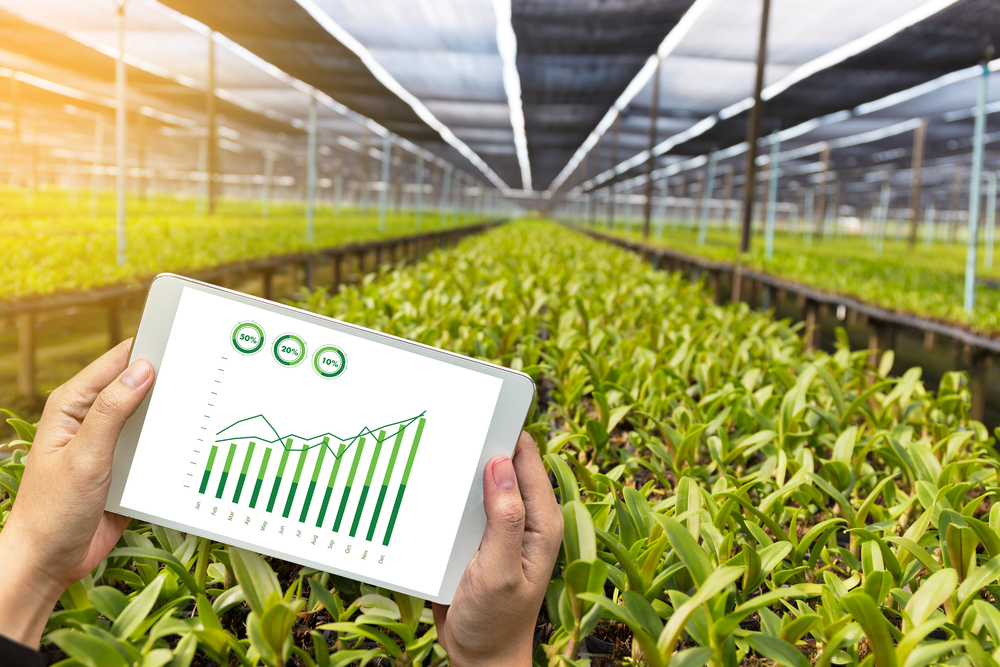
The Venture Capital investment trends in Malaysian agri-tech reveal a dynamic and maturing ecosystem shaped by both domestic and international forces. The key factors influencing VC behavior include government policy, technological readiness, and regional food demand.
1. Rising Investor Confidence
Venture capital investment in Malaysian agri-tech has accelerated since 2020, driven by heightened awareness of food security and climate change. Investors are drawn to solutions that balance profitability with sustainability. For instance, funds like Cocoon Capital and Asia Venture Group have actively supported agri-tech startups focused on efficiency and data analytics.
2. Government-Backed Funding and Incentives
Malaysia’s government plays a crucial role in shaping the investment landscape. Agencies such as Malaysia Venture Capital Management Berhad (MAVCAP), Agrobank, and Malaysia Digital Economy Corporation (MDEC) offer grants, seed funding, and incentives to promote innovation in agri-tech.
These programs reduce early-stage risk for investors, making it more appealing for private VCs to participate in scaling startups that are addressing national food and sustainability challenges.
3. Shift Toward Sustainability and Climate-Resilient Solutions
Sustainability has become a central theme in VC investments. Malaysian agri-tech startups focusing on carbon reduction, waste minimization, and resource-efficient farming are securing larger funding rounds.
Venture capitalists now assess startups not only by their potential for profit but also by their Environmental, Social, and Governance (ESG) impact. This reflects the growing alignment between financial goals and sustainable development—mirroring the broader surge in green bonds across Southeast Asia.
4. Regional Collaboration and Cross-Border Investment
Singapore-based funds and global investors are increasingly partnering with Malaysian startups. The proximity and complementary strengths of Malaysia’s agricultural base and Singapore’s financial ecosystem make cross-border collaboration a natural fit.
This has led to the establishment of regional hubs where Malaysian agri-tech firms can test, scale, and export their innovations across Southeast Asia—further supported by RCEP’s long-term impact on Malaysia’s growth.
5. Diversification Beyond Traditional Crops
VC investments are no longer limited to palm oil or rubber-based innovations. Instead, attention has shifted to high-value crops such as rice, durian, aquaculture, and sustainable palm alternatives. This diversification opens up new opportunities for startups and investors alike.
Prominent Startups Attracting Venture Capital Attention
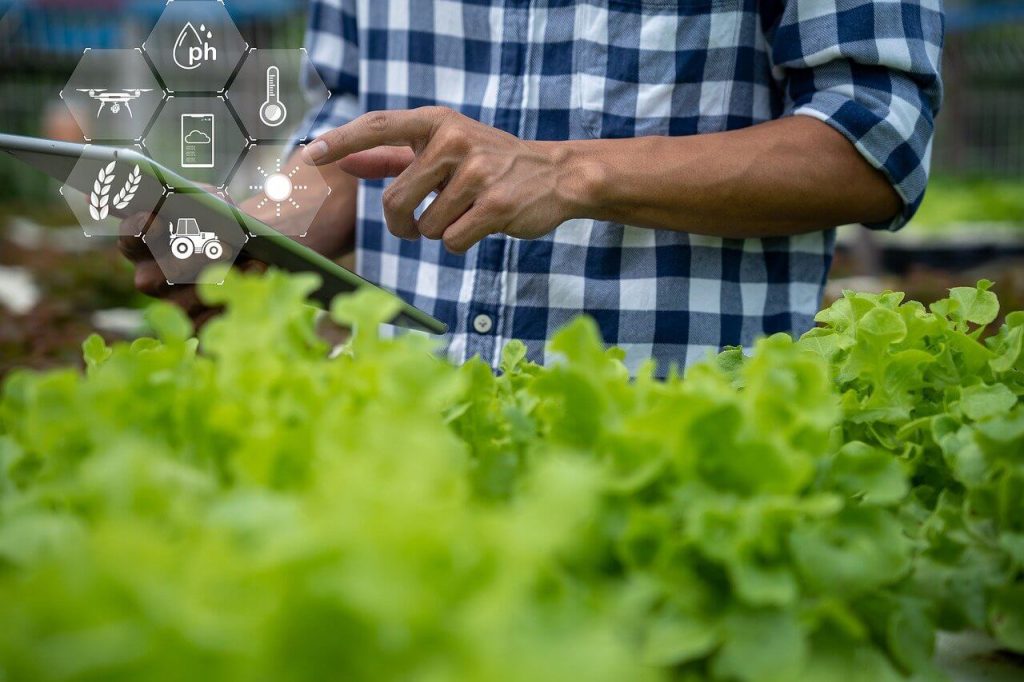
Several Malaysian agri-tech startups have successfully drawn investment by addressing core challenges in the sector. Their growth stories highlight how innovation and VC funding intersect to shape the industry’s trajectory.
- Aerodyne Group: AI-driven crop monitoring and precision spraying using drones.
- BoomGrow: High-tech container farms with IoT for pesticide-free vegetables.
- Kapten Agro: Digital tools for smallholder farmers to track planting and market prices.
- Entomal Biotech: Circular economy model converting waste into animal feed using black soldier fly larvae.
These examples underscore how Malaysia’s agri-tech scene is becoming increasingly sophisticated, attracting diverse investments from seed funding to Series B rounds.
The Economic and Social Impact of Agri-Tech VC Investments
Venture capital investment in agri-tech is more than just financial backing—it is driving structural change across Malaysia’s economy.
- Empowering Farmers: Mobile apps and cloud tools help smallholders reduce costs and access markets.
- Enhancing Food Security: Traceability and efficiency strengthen supply chains.
- Job Creation: New roles in software, data science, and sustainable farming emerge.
- Attracting FDI: Success stories draw international funds to Malaysia.
Challenges in Attracting and Sustaining VC Interest
Despite encouraging growth, several barriers still hinder the scalability of agri-tech startups in Malaysia:
- Limited Early-Stage Capital: Private VCs remain cautious due to long development cycles.
- Infrastructure Gaps: Rural connectivity and logistics slow digital adoption.
- Talent Shortage: Lack of experts bridging agriculture and technology.
- Market Fragmentation: Smallholder dominance makes scaling difficult.
Where Venture Capital in Agri-Tech Is Headed
The outlook for Venture Capital investment trends in Malaysian agri-tech is optimistic. With increasing emphasis on sustainability, digitalization, and food security, the sector is poised for robust growth over the next decade.
Emerging technologies such as AI-powered crop analytics, robotic harvesting, and smart irrigation systems will redefine productivity standards. Moreover, Malaysia’s strategic partnerships with regional players in Singapore, Thailand, and Indonesia will open new markets and funding channels.
Investors are likely to prioritize startups that combine technological scalability with measurable ESG outcomes. This convergence between profit and purpose will shape the next phase of Malaysia’s agri-tech investment narrative—especially as the Ringgit is projected to rise to RM3.93 by mid-2026, boosting investor confidence.
Malaysia’s Agri-Tech Future Is Growing Greener
The Venture Capital investment trends in Malaysian agri-tech highlight an evolving landscape where innovation, sustainability, and financial opportunity intersect. As the country continues to modernize its agricultural systems, the synergy between startups, investors, and policymakers will be vital.
Agri-tech is no longer a niche—it is becoming a cornerstone of Malaysia’s digital economy. The future belongs to startups that can balance environmental stewardship with technological advancement, ensuring that agriculture remains both profitable and sustainable in the decades ahead.
Note: While agri-tech grows, currency stability remains key. Recent analysis identifies the Malaysian Ringgit as the most undervalued currency in Southeast Asia in 2025, presenting both opportunities and risks for VC inflows.