



Strategic Energy Infrastructure Expansion For Ann Joo Resources
The latest development in the Malaysian energy sector marks a significant milestone for Ann Joo Resources Bhd as its subsidiary, IAC Infrastructure Sdn Bhd, has officially secured a substantial contract valued at 37.4 million ringgit. This strategic agreement involves the development of a sophisticated battery energy storage system located in the state of Kedah, specifically within the Bukit Kayu Hitam region. By securing this contract from Universal Peak Sdn Bhd, the company demonstrates its growing capabilities in providing comprehensive design, engineering, procurement, construction, and commissioning services for large scale utility projects.
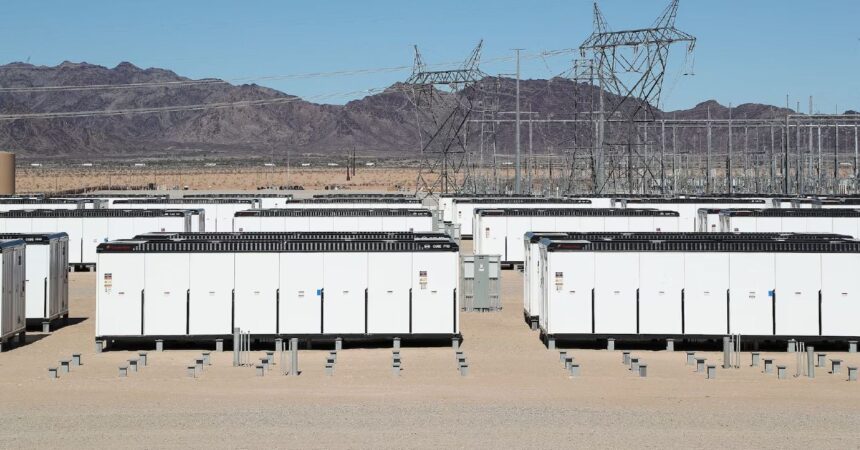
The focus on high technology infrastructure allows Ann Joo to diversify its business portfolio beyond traditional sectors, aligning itself with the modern demands of the national energy grid. This specific facility is designed to provide 100 MW or 400 MWh of storage capacity, making it a critical asset for the local power distribution network. The involvement of Universal Peak, which operates within a consortium alongside Blueleaf Energy, highlights the competitive nature of Malaysia’s battery storage initiatives. As the project progresses, the full scope of works will encompass everything from initial site preparation to the final testing and commissioning of the facility.
This includes all necessary civil, mechanical, and electrical infrastructure required to maintain a utility scale operation of this magnitude. The company expects that this venture will contribute positively to its net assets and overall earnings once the implementation phase begins, reinforcing its financial position within the industrial market. The successful acquisition of this contract serves as a testament to the technical competence of the group and its ability to compete effectively for specialized energy projects that require high levels of precision and engineering expertise.
Technical Integration And National Grid Strengthening Initiatives
As the global shift toward sustainable power becomes more urgent, the role of advanced storage solutions like the one being developed by Ann Joo becomes increasingly vital for maintaining grid stability. This project is a core component of the Malaysia Battery Energy Storage System program, an initiative led by the Energy Commission to modernize the nation’s electricity delivery framework. By integrating a utility scale BESS facility, the project helps to mitigate the inherent variability of renewable energy sources, ensuring a consistent and reliable supply of power to both industrial and residential consumers.
The technical responsibilities assigned to IAC Infrastructure involve the seamless installation of battery modules alongside the complex mechanical and electrical systems that manage energy flow. Naturally, the expertise demonstrated by Ann Joo in managing large scale infrastructure projects ensures that the facility will meet the stringent safety and performance standards required by the MyBeST program. The integration of such high capacity storage systems is essential for supporting a low carbon future, as it allows for the efficient storage of excess energy generated during peak production times for use during periods of high demand.
This specific roadmap for frequency bands and energy dispatching is carefully monitored to ensure that the national grid remains resilient against fluctuations. Furthermore, the collaboration between private enterprises and regulatory bodies under this initiative showcases a successful model for public private partnerships in the renewable energy sector. The engineering precision required for this project underscores the company’s commitment to delivering world class energy solutions that cater to the evolving needs of the Malaysian economy while promoting technical excellence in the construction and engineering domains.
Long Term Economic Impact And Renewable Energy Transition
The decision by Ann Joo to pursue high value infrastructure contracts within the renewable energy space reflects a forward thinking approach to corporate growth and environmental responsibility. While the immediate financial impact of the 37.4 million ringgit contract is notable, the long term benefits of establishing a foothold in the green technology market are even more significant for the company’s future trajectory. This project not only enhances the technical portfolio of IAC Infrastructure but also positions the parent group as a key player in Malaysia’s transition toward a cleaner and more sustainable energy mix.
By contributing to the development of a utility scale BESS, Ann Joo is directly supporting the country’s goals for carbon neutrality and the reduction of greenhouse gas emissions. The successful execution of this project in Kedah will likely serve as a blueprint for future energy storage installations across other states, potentially opening up new avenues for revenue in the burgeoning green tech sector. Shareholders can look forward to the positive contributions this contract will bring to the company’s future earnings without any negative impact on share capital or existing holdings.
As the global investment community increasingly prioritizes environmental, social, and governance criteria, the company’s active role in energy storage infrastructure makes it an attractive prospect for institutional investors. This move into renewable energy support services ensures that the group remains relevant in a rapidly changing global economy where fossil fuel reliance is steadily decreasing. Ultimately, the partnership between local expertise and international consortiums will continue to drive innovation, ensuring that Malaysia remains a regional leader in the adoption of advanced technologies that power the future.
Market Dynamics Of Utility Scale Energy Storage In ASEAN
From a regional investment perspective, the pivot of established industrial entities like Ann Joo into the utility scale energy storage market signifies a structural maturation of the ASEAN renewable energy ecosystem. For financial analysts, this move is a primary indicator of the shifting capital expenditure priorities within the construction and engineering sectors, where margins are increasingly driven by specialized technological integration rather than raw material volume. The expansion of the MyBeST program demonstrates that the energy transition is no longer a peripheral environmental objective but a central pillar of national industrial policy designed to ensure energy security and grid resilience.
The localized impact in Kedah serves as a strategic pilot for high capacity energy dispatching, which is essential for stabilizing the northern corridor of the national grid. By deploying a 400 MWh facility, the project addresses the intermittency challenges associated with large scale solar farms in the region, effectively transforming volatile renewable generation into a dispatchable and bankable asset class. This technical evolution reduces the risk profile of renewable projects for institutional lenders, potentially lowering the cost of debt for future green energy infrastructure. Furthermore, the successful delivery of this project by a domestic player enhances the local supply chain’s complexity, fostering a niche expertise in high tension electrical infrastructure that can be exported to neighboring markets like Thailand or Indonesia.
Ultimately, the convergence of utility scale storage with national grid requirements creates a significant multiplier effect for the regional digital and industrial economy. As the grid becomes more reliable and responsive through BESS integration, the capacity to support energy intensive industries such as data centers and high tech manufacturing increases substantially. This infrastructure development is a prerequisite for attracting high value foreign direct investment, as multinational corporations prioritize locations with a stable and green power supply. For stakeholders in the energy sector, the active participation of diversified industrial groups in the storage market represents a strategic hedge against the cyclical nature of traditional manufacturing, ensuring sustainable long term revenue streams while accelerating the broader transition toward a decarbonized regional economy.