Strengthening Regional Ties And National Economic Unity
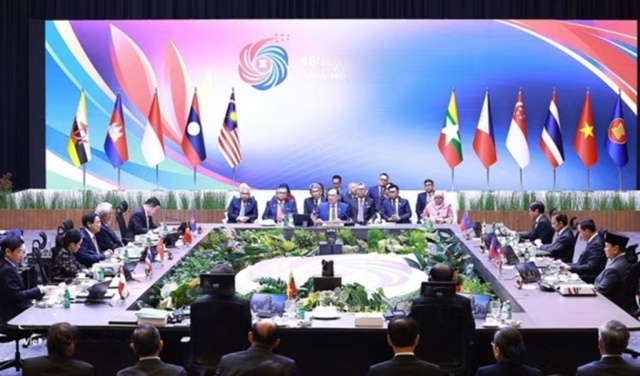
Vietnam has formally greenlit a comprehensive action program designed to achieve greater economic unity within the ASEAN Economic Community framework through 2030. This strategic initiative represents a pivotal step in the country mission to deepen regional integration and solidify its leadership role among Southeast Asian neighbors. By aligning domestic priorities with the AEC Strategic Plan, the government aims to create a more cohesive and synchronized trade environment that benefits all member states.
The program specifically targets the refinement of legal frameworks and the modernization of policies across vital sectors such as international trade, investment competition, and intellectual property rights. It also seeks to streamline customs procedures and logistics networks to ensure that the movement of goods and services is as seamless as possible. Beyond traditional industries, the roadmap places a heavy emphasis on emerging frontiers, including the digital landscape, green energy transitions, and the development of circular economies.
These efforts are not merely about compliance but are intended to foster a sense of economic unity that allows Vietnam to operate as a vital component of a single market and production base. By integrating these regional goals with national development strategies, the country is positioning itself to be more resilient against global fluctuations while ensuring that its growth remains inclusive and people centered. The long term vision extending toward 2045 reflects a commitment to sustainable progress that adapts to the modern world.
Enhancing Business Competitiveness And Institutional Coordination
To successfully navigate the complexities of regional integration, the new program highlights the necessity of improving inter agency coordination and strengthening the institutional capacity of focal agencies. A core component of this strategy involves fostering a deeper level of economic unity by bridging the gap between state management bodies and the private business sector. The government recognizes that for integration to be truly effective, Vietnamese enterprises must be equipped to capitalize on the vast opportunities.
This involves not only expanding trade and investment portfolios but also ensuring that local companies can integrate more deeply into regional and global supply chains. To facilitate this, the action program calls for enhanced consultation and information sharing mechanisms that keep the business community informed of shifting regulations and emerging market trends. Furthermore, the initiative prioritizes the promotion of digital transformation and innovation as a means to increase the overall integration capacity.
By building a robust ecosystem for innovation, Vietnam can ensure that its industries remain competitive and proactive in an increasingly interconnected region. The focus on sustainability and climate responsive policies also ensures that economic growth does not come at the expense of environmental health, aligning the country with broader international standards. Through these combined efforts, the nation seeks to build a resilient economic structure that can withstand external shocks and crises while maintaining a steady path toward prosperity.
Strategic Objectives For A Resilient And Inclusive Future
The program is underpinned by six fundamental strategic goals that aim to foster long term stability and economic unity across the entire ASEAN bloc. Central to this vision is the creation of an action oriented community that functions as a single, unified production base, allowing for the efficient allocation of resources and labor. This is complemented by a strong push for boldness and innovation, encouraging member states to adopt forward thinking policies that drive technological advancement.
Another key priority is enhancing the proactiveness and adaptability of the regional economy, ensuring that it can quickly respond to the pressures and fluctuations of the global marketplace. To achieve these ambitious targets, the program outlines specific measures for leveraging ASEAN led free trade agreements, such as the Regional Comprehensive Economic Partnership. These agreements are seen as vital tools for mobilizing resources and enhancing the institutional capacity of participating nations.
Additionally, the program emphasizes the importance of communication efforts to raise public awareness about the benefits of the ASEAN Community and its Vision 2045. By making the concept of economic unity a priority, the government hopes to garner widespread support for integration policies and ensure that the benefits of growth are felt by all levels of society. This people centered approach is designed to create an inclusive environment where every citizen has the opportunity to contribute to and benefit from collective success.
Macro-Financial Analysis Of Vietnamese Integration Strategy
The endorsement of the AEC Strategic Plan signifies a fundamental shift in Vietnam trade policy toward institutional harmonization and high level economic unity. We analyze that the focus on digital and green economies acts as a primary differentiator that will likely reorient regional capital flows toward Vietnamese infrastructure projects. By integrating AEC targets into national planning, Hanoi is effectively reducing the risk premium for international investors who seek exposure to the ASEAN single market through a politically stable and regulation aligned gateway.
This strategic alignment is particularly critical given the current global trend of supply chain diversification, where Vietnam is positioning itself not just as a manufacturing alternative, but as a central administrative and logistical node. We observe that the emphasis on inter agency transparency and intellectual property protection will serve as the most significant catalyst for long term FDI growth, specifically in high tech manufacturing and digital services. The proactiveness shown in leveraging RCEP further suggests a sophisticated move to mitigate the impact of external trade wars by deepening regional reliance and economic unity.
We anticipate that the successful execution of this program will lead to a significant increase in the participation of Vietnamese small and medium enterprises in higher value segments of the regional supply chain. Furthermore, the commitment to climate responsive policies ensures that the nation remains ahead of the curve regarding global carbon taxation and sustainable trade requirements. The synergy between these domestic reforms and regional commitments is expected to drive a sustained appreciation in the value of the industrial and digital sectors, ultimately cementing Vietnam role as a resilient anchor for the wider Southeast Asian economy in 2026 and beyond.