Tariffs Cause Widespread Currency Weakness
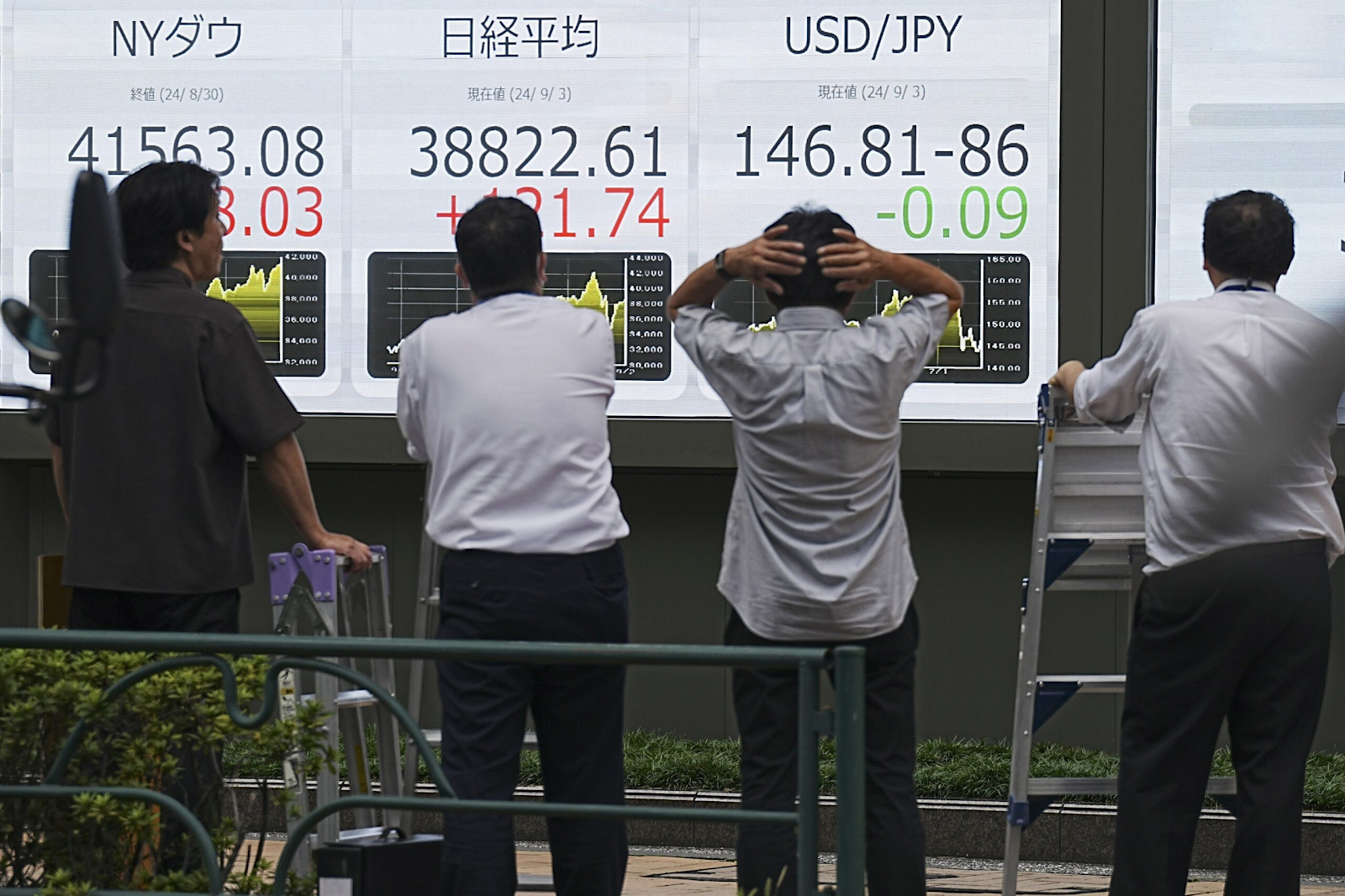
Asian currencies reached multi-month lows on August 1 as a new wave of tariffs imposed by the United States prompted investors to withdraw from riskier regional assets. The South Korean won was particularly hard hit, weakening by 0.69 percent to its lowest point in over two months at 1,401.53 against the US dollar. Similarly, the Malaysian ringgit saw a significant drop of 0.5 percent, reaching its weakest level since June 23. Both currencies are currently on track for their worst weekly performance in months, reflecting a clear increase in market anxiety and a shift away from emerging market investments. Among other regional currencies, the Taiwan dollar and Thai baht each declined by more than 0.3 percent. In contrast, the Philippine peso managed to recover from its earlier six-month lows to trade flat, while the Singapore dollar remained unchanged at 1.2977 against the US dollar, as there was no new information regarding changes to its current 10 percent baseline tariff.
Mixed Market Performance Reflects Broader Pressures
While Asian currencies saw widespread weakness, regional stock markets presented a more mixed and nuanced picture. The new tariffs abruptly ended a six-month rally in the MSCI emerging market currency gauge, which fell by more than 1 percent this week, highlighting the overall vulnerability of these assets to shifts in international trade policy. However, this currency-wide decline did not translate into uniform stock market performance. Shares in Kuala Lumpur and Jakarta, for instance, surprisingly managed to rise by more than 1 percent. In a stark contrast, Seoul’s market experienced a significant tumble of 3.5 percent. This sharp decline was not solely attributed to the new tariffs but was also driven by the South Korean government’s proposal to roll back recent tax cuts, demonstrating how domestic policy decisions can compound the effects of global economic pressures. This mixed performance underscores the complex interplay of international trade, domestic policy, and investor sentiment that currently defines financial markets in the region.
Navigating the Economic Fallout
The new broad-based tariffs, signed by US President Donald Trump and ranging from 10 to 41 percent on imports from dozens of countries, will likely have a long-term impact on regional economies. According to Alex Holmes, the regional director for Asia Pacific at the Economist Intelligence Unit, the tariff rates of 15 to 20 percent for most countries in the region will inevitably hurt producers by narrowing profit margins and curbing US demand for their goods. Holmes believes that core emerging market countries with strong economic fundamentals are better positioned to be resilient than more vulnerable frontier economies. He also suggests that this widespread tariff structure places emerging markets “between a rock and a hard place,” forcing them to make difficult strategic decisions regarding their trade relationships with both the United States and China. As these nations seek strategies to mitigate the economic fallout, they face a complex challenge of balancing their most crucial bilateral trade relationships while trying to maintain domestic economic stability in an increasingly protectionist global environment.