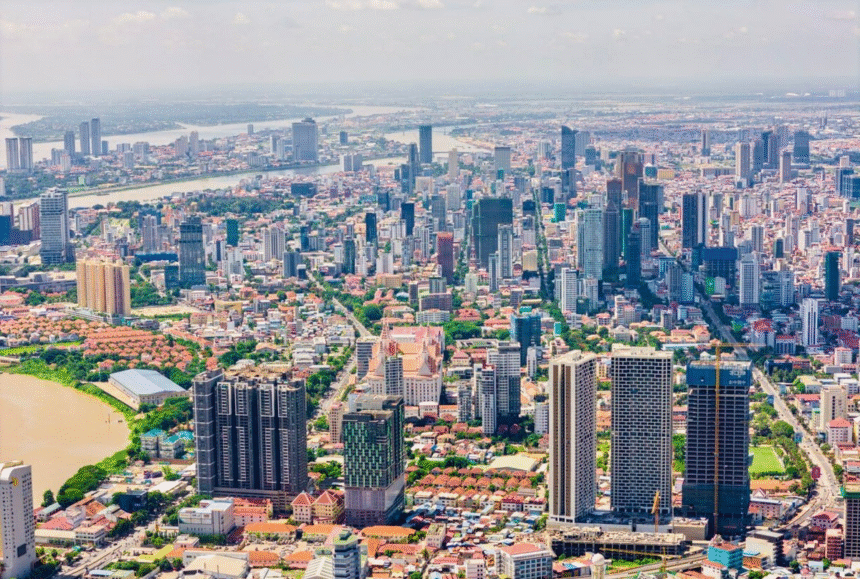
Capitalargo.com – Cambodia’s economic landscape has shown remarkable resilience and transformation over the past decade. As the country continues to diversify beyond traditional sectors, 2025 presents a unique opportunity for investors looking to tap into the best sectors for low-risk investment in Cambodia. With political stability, ongoing infrastructure development, and an increasingly business-friendly environment, Cambodia remains one of Southeast Asia’s most attractive destinations for steady investment growth.
This article explores the evolving dynamics of Cambodia’s economy, identifies the key low-risk sectors, and provides practical insights on how to position your investments for sustainable returns.
Understanding Cambodia’s Economic Outlook in 2025
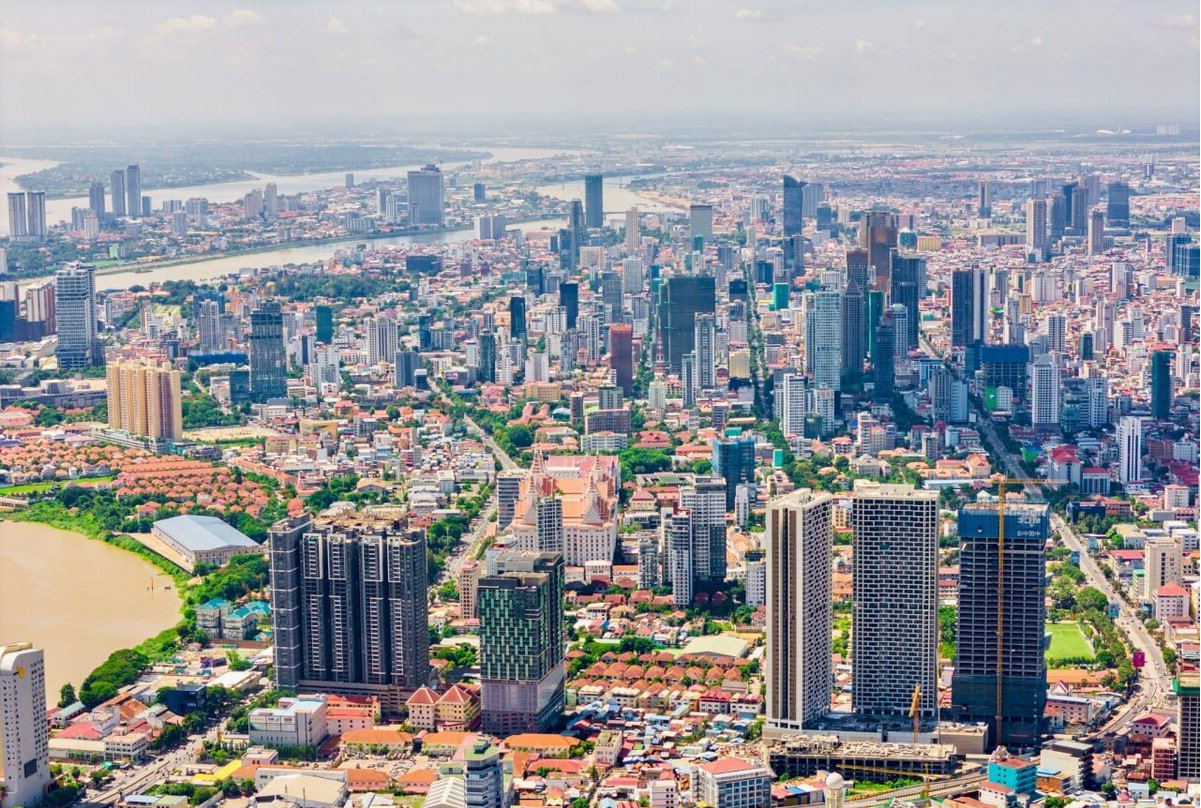

The Cambodian economy has consistently posted positive growth rates, supported by strong domestic demand, increasing foreign direct investment (FDI), and government efforts to modernize infrastructure and financial systems.
In 2025, GDP growth is projected to hover between 5.8% and 6.3%, driven by three major components: industrial expansion, tourism recovery, and agricultural modernization. Despite global uncertainties, Cambodia’s relatively low inflation and improving regulatory climate make it a strategic entry point for investors seeking balanced exposure in emerging markets.
Why Cambodia Is Attractive for Low-Risk Investors


There are several compelling reasons why Cambodia appeals to low-risk investors in 2025:
- Macroeconomic Stability – Cambodia has maintained consistent economic growth and currency stability, supported by prudent fiscal management.
- Strategic Regional Access – Its geographic position offers proximity to major ASEAN markets, particularly Vietnam and Thailand.
- Government Incentives – Tax holidays and investment guarantees under the Law on Investment attract both domestic and foreign investors.
- Young Workforce – With a median age of 25, Cambodia benefits from a dynamic, trainable labor force that supports industries from manufacturing to tech.
- Infrastructure Improvements – Enhanced logistics and energy infrastructure continue to lower operational risks and increase business efficiency.
These foundational strengths set the stage for understanding where the best sectors for low-risk investment in Cambodia lie in 2025.
1. Real Estate (Residential and Commercial)
Real estate remains one of the best sectors for low-risk investment in Cambodia, especially in urban centers like Phnom Penh and Siem Reap. The demand for housing, retail, and office spaces continues to grow alongside urban migration and rising income levels.
Investors can focus on mid-range housing projects, co-living spaces, and long-term commercial leases. Unlike speculative property plays, steady rental yields in central districts offer a predictable and low-risk return profile.
Moreover, government reforms in property registration and foreign ownership transparency have enhanced investor confidence in the real estate sector.
2. Agriculture and Agri-Tech Innovation
Agriculture has historically been the backbone of Cambodia’s economy, and in 2025, it continues to evolve into a modern, technology-driven industry. The government actively supports investment in irrigation systems, organic farming, and value-added agricultural exports.
Low-risk opportunities include:
- Rice and cassava production for export markets
- Organic fruit cultivation for regional demand
- Agro-processing and packaging facilities
With rising food security concerns across ASEAN, Cambodia’s fertile land and favorable climate make agricultural investment particularly resilient against global shocks. Smart due diligence is key—our smart strategies for evaluating Cambodian farmland investments help investors avoid overvalued plots and focus on high-yield, sustainable operations.
Investors who evaluate the long-term value of sustainable agricultural operations in Cambodia often find consistent profitability with manageable risks.
3. Renewable Energy and Solar Infrastructure
The renewable energy sector, especially solar, is becoming a cornerstone of Cambodia’s long-term development strategy. With increasing electricity demand and a commitment to reduce carbon dependency, solar projects present a stable and incentivized investment landscape.
Incentives include tax breaks, favorable land-use regulations, and government-backed purchasing agreements. Private partnerships are also encouraged to develop microgrid systems in rural areas.
This makes renewable energy one of the best sectors for low-risk investment in Cambodia, as demand is both predictable and policy-supported.
4. Tourism and Hospitality Recovery
The tourism sector faced setbacks during the pandemic, but recovery is now well underway. Visitor numbers have surged as international flights return and new attractions, such as cultural heritage zones and eco-tourism areas, are being developed.
Low-risk investment opportunities in 2025 include:
- Boutique hotels and serviced apartments in Siem Reap
- Eco-resorts in coastal provinces like Kep and Kampot
- Travel tech platforms focusing on experiential tourism
Cambodia’s reputation as a cultural destination ensures tourism will remain a resilient contributor to national GDP.
5. Education and Vocational Training
As Cambodia’s economy diversifies, the need for skilled labor has become critical. This has opened the door for private investment in education, particularly in vocational training and digital skills development.
Investors can participate in:
- Private technical colleges
- Language training centers
- Online education platforms
The education sector’s consistent demand, supported by government encouragement of private participation, makes it one of the most sustainable and low-risk investments in 2025.
6. Healthcare and Wellness Industry
Healthcare spending in Cambodia is expected to rise sharply as disposable incomes increase and awareness of quality health services grows. From private clinics and pharmacies to health insurance and telemedicine startups, the sector offers steady growth potential.
Key investment niches include:
- Private diagnostic centers
- Pharmaceutical distribution
- Health tourism and wellness retreats
With limited saturation and growing middle-class demand, healthcare represents one of the most promising low-risk investment sectors for the coming years.
7. Financial Technology (Fintech)
Fintech adoption has accelerated in Cambodia, driven by mobile banking, digital wallets, and SME-focused lending platforms. The government’s open approach to digital innovation has created a safe environment for early-stage investors and venture funds.
Fintech provides scalable opportunities without the volatility typical of speculative sectors. Investors focusing on payments, micro-lending, or remittance platforms can enjoy stable returns backed by strong user adoption trends.
Key Considerations Before Investing
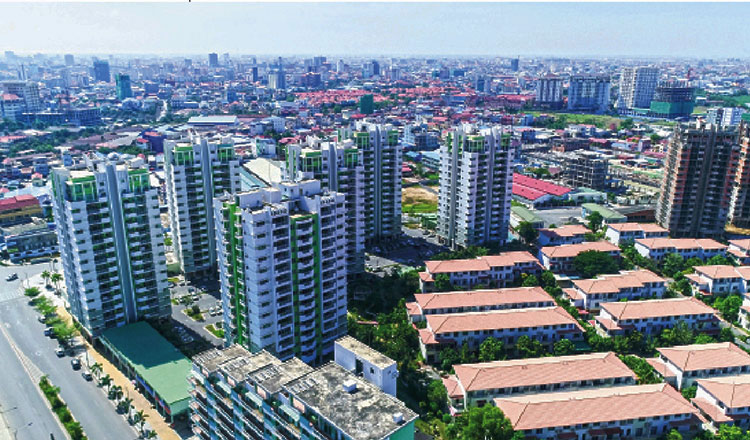

To effectively enter the best sectors for low-risk investment in Cambodia, investors should evaluate the following factors:
- Regulatory Environment: Ensure compliance with Cambodia’s updated Law on Investment (2021).
- Due Diligence: Partner with reputable local advisors for market intelligence and risk assessment.
- Currency and Repatriation: Understand taxation rules and profit transfer mechanisms.
- Local Partnerships: Collaborating with Cambodian businesses can enhance credibility and operational efficiency.
- Sustainability Standards: Investors prioritizing ESG compliance often receive better financing and international support.
These measures help minimize exposure while optimizing long-term profitability.
The Role of Government Policies and International Support
The Cambodian government has taken proactive steps to promote foreign investment through initiatives such as the Cambodia Industrial Development Policy 2025 and the establishment of Special Economic Zones (SEZs).
International partnerships with Japan, China, and ASEAN have also improved the country’s access to capital and technical expertise. Investors in 2025 benefit from this integrated support system, making the investment environment safer and more predictable. Corporate stability is another signal—seamless management transition at major Cambodian firms ensures continuity in long-term projects, reducing governance risk for investors in SEZs and infrastructure-linked sectors.
Long-Term Outlook: Where Cambodia Is Headed
Cambodia’s economy in 2025 is characterized by diversification and sustainable growth. While traditional sectors like textiles and construction remain vital, the emergence of technology-driven industries and green energy projects signals a maturing market.
For investors seeking low-risk entry points, the most promising sectors combine strong local demand with favorable government policies — agriculture, renewable energy, education, and healthcare being the most notable examples.
Regional trade dynamics are shifting. A probe demanded over surging Thai gold exports to Cambodia highlights growing cross-border commerce—opening low-risk opportunities in logistics, warehousing, and trade financing along the Thai-Cambodian corridor.
Meanwhile, listed companies are prioritizing sustainability. SNNP focuses on long-term growth after Q3 results, signaling that Cambodian conglomerates are investing in agri-processing and renewable supply chains—creating co-investment pathways for foreign funds.
Final Thoughts
The best sectors for low-risk investment in Cambodia in 2025 reflect the country’s evolution from a resource-based economy to one focused on sustainability, innovation, and human capital. With supportive government measures, rising domestic consumption, and strategic regional integration, Cambodia provides fertile ground for investors seeking steady growth and minimal volatility.
Success in this market depends on a thoughtful strategy — one that balances patience, regulatory awareness, and alignment with national development priorities. For those ready to engage with Cambodia’s dynamic economy, 2025 offers a window of opportunity unlike any other in the region.