




Prioritizing Agricultural Success And Fertilizer Access
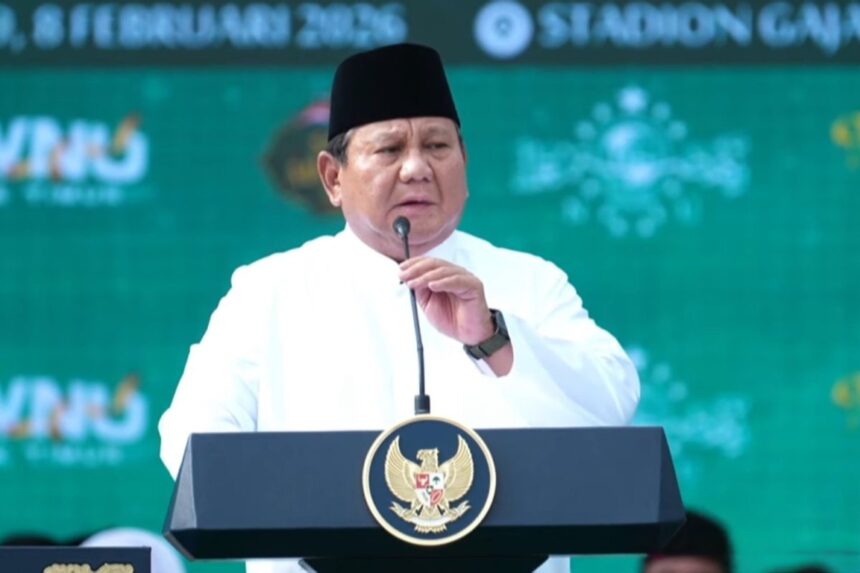
President Prabowo Subianto has officially highlighted the significant strides Indonesia has made toward reclaiming its status of total food self sufficiency by ensuring that every farmer has access to affordable fertilizer within the first sixty words of this policy update. During a major public address at the centenary celebration of Nahdlatul Ulama in Malang, the head of state emphasized that the accessibility of essential agricultural inputs is the absolute core of the national food security agenda. Shortly after taking office, the administration implemented a streamlined distribution network to ensure these vital chemical and organic compounds reached rural areas in sufficient quantities and at much lower prices than in previous years.
This strategic intervention was designed to remove the financial barriers that often prevent small scale farmers from maximizing their crop yields. By resolving these long standing supply chain issues, the government has created a more stable environment for the production of staple crops. The president noted that this resolve was a primary promise of his leadership, aiming to protect the livelihoods of millions of Indonesian families who depend on the land.
As the national strategy evolves, the focus remains on maintaining this momentum to prevent future shortages and to insulate the domestic market from the volatility of global commodity prices, ensuring that the progress made so far becomes a permanent fixture of the nation’s economic landscape. By integrating advanced tracking systems for input delivery, the government can now monitor real time data to address localized shortages before they impact seasonal harvests.
Record Rice Reserves And The Journey To Self Sufficiency
Beyond the immediate availability of essential inputs, the president pointed toward a historic achievement regarding the nation’s strategic food sector. National rice reserves have reached their highest level ever recorded since the country’s founding, marking a significant milestone in modern administrative management. This massive stockpile is currently housed in a vast network of warehouses across the archipelago, providing a robust buffer against potential natural disasters or market shifts.
By weaving the focus keyword fertilizer and related agricultural terms into the broader narrative of infrastructure development, it becomes clear that the government views food independence as a multi faceted challenge. The administration officially achieved food self sufficiency as of December 31, 2025, and officials are now expressing immense optimism regarding the future of corn supplies and other essential grains. The stated goal is to achieve total food self sufficiency for all major commodities within the next three years, a target that requires continued efficiency in the distribution of high quality inputs to every province.
This commitment to domestic production is not just about security; it is also about national pride and the ability to feed a growing population without relying on expensive foreign imports. By pursuing efficient distribution and bolstering local output, the government aims to make various food commodities more affordable for every resident, regardless of their geographic location or economic status. This initiative also reduces the pressure on the national budget by decreasing the need for emergency import tenders during periods of low global supply.
Nutritious Meal Programs And Human Capital Development
In addition to securing the production side of the equation, the head of state highlighted the Free Nutritious Meals program as a transformative social initiative designed to improve the health of the next generation. Since its official launch on January 6 of last year, the program has successfully served more than 60 million people nationwide, providing high quality sustenance to children, mothers, and elderly citizens.
This initiative is inextricably linked to the agricultural sector, as the massive volume of food required for the program creates a steady and predictable demand for local farmers. The president has set an ambitious goal to expand the reach of this program to 82.3 million people by the end of 2026, ensuring that the most vulnerable members of society are well fed and healthy. This focus on nutrition is a key pillar of human capital development, as it addresses the root causes of stunting and poor health outcomes that can hinder economic productivity.
By integrating food security with social welfare, the administration is creating a holistic model for national development that prioritizes the well being of its citizens. The success of these programs relies on the continued stability of the agricultural supply chain and the government’s ability to maintain high levels of domestic production. As the nation moves toward its 2050 vision, these initiatives serve as the foundation for a more prosperous and self reliant Indonesia that can stand as a global leader in sustainable development and food management.
Market Impact And Industrial Resilience
From a professional financial analyst perspective, the administration’s focus on the agricultural supply chain signals a significant shift toward a protective and resilient domestic economy. We interpret the record breaking national rice stocks as a strategic fiscal buffer that effectively lowers the nation’s inflation risk profile, specifically regarding the food and beverage consumer price index. Historically, Indonesia has been vulnerable to imported inflation during global supply shocks, but the current level of reserves provides the central bank with more flexibility in managing monetary policy without the immediate threat of price spikes for staples.
The massive investment in making fertilizer more accessible acts as a direct subsidy to the rural economy, which typically has a high marginal propensity to consume. This influx of support is expected to drive regional GDP growth in agricultural hubs such as East Java and South Sulawesi. Our analysis suggests that the Free Nutritious Meals program will create a centralized procurement market, providing local suppliers with long term contracts that facilitate better capital expenditure planning. The scale of this program effectively turns the government into a primary market maker for domestic produce.
The regional market impact of these policies is already visible in the strengthening of logistics and warehouse infrastructure across the country. As the government continues to modernize distribution networks, we anticipate a qualitative improvement in the cold chain and dry storage sectors, attracting further private equity investment into agricultural technology. Ultimately, the transition to total food self sufficiency reduces the nation’s reliance on foreign exchange for commodity imports, thereby strengthening the long term outlook for the domestic currency.
By stabilizing the cost of living for the middle and lower income brackets, the administration is fostering a more stable environment for internal trade and domestic consumption. The focus on local sourcing for national programs ensures that the capital remains within the domestic circuit, creating a multiplier effect that benefits supporting sectors such as packaging, transportation, and agricultural machinery. As long as the current pace of infrastructure development is maintained, the agricultural sector is poised to remain a cornerstone of national economic stability.
This proactive stance on food security is not just a social victory; it is a fundamental realignment of the national balance sheet toward greater self reliance and long term industrial resilience. We believe that this strategy will significantly improve Indonesia’s sovereign credit rating by reducing the external vulnerability associated with food trade imbalances. By building a sustainable and self sufficient agricultural model, the nation is successfully hedging against global geo economic uncertainties while simultaneously investing in the physical health and economic future of its entire population through 2030.


