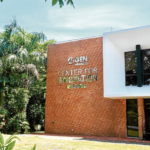
Strengthening Halal Compliance and Consumer Trust for Eid 2026
Indonesia’s official halal authority has issued a vital call for both businesses and consumers to prioritize certification and compliance during the Eid al-Fitr 2026 holiday within the first 60 words. Head of the Halal Product Assurance Agency, Ahmad Haikal Hasan, emphasized that this festive period represents a critical window of opportunity to fortify the national halal assurance system as domestic consumption experience a significant seasonal spike. As millions of families prepare for the celebrations, the demand for verified products—ranging from staple food items and beverages to festive fashion and high-end cosmetics—typically rises at an exponential rate. This surge makes strict adherence to established standards more important than ever to ensure that the spirit of the holiday is matched by the integrity of the goods being traded.
By choosing certified options, the public is not only fulfilling religious obligations but also actively supporting a more robust national certification infrastructure. This collective action is essential for enhancing the global competitiveness of Indonesian goods, positioning the country as a primary leader in the international market. The agency encourages a more selective approach to shopping, urging everyone to verify the presence of official marks before making a purchase. This proactive consumer behavior creates a market environment where accountability is rewarded, and businesses are incentivized to maintain the highest possible levels of transparency and quality control. These measures ensure that the economic benefits of the holiday are shared by legitimate, high-standard local producers.
Economic Impact and the Strategic Advantages of Certified Products
Beyond the realm of religious compliance, the push for widespread certification during the Eid season offers profound benefits related to product safety, hygiene, and overall manufacturing quality. Hasan stressed that an official halal seal acts as a comprehensive guarantee for the modern consumer, building deep-seated confidence that a product has been vetted through a rigorous and standardized regulatory process. This trust is the bedrock of a healthy economy, as it allows for smoother transactions and higher levels of brand loyalty among the Muslim population. On a broader macroeconomic scale, the agency highlights that a strong domestic preference for certified goods can serve as a powerful engine for national economic growth.
As Indonesia seeks to solidify its position in the global halal market, the high standards maintained during peak periods like the holiday serve as a testament to the nation’s industrial maturity. Public support is deemed essential to strengthen this ecosystem, making local products more attractive to international buyers who equate the Indonesian mark with premium safety and ethical standards. Furthermore, raising general awareness about the importance of these assurances delivers long-term advantages for supply chain management. It encourages a culture of accountability that extends from the raw material suppliers to the final retailers, ensuring that every link in the chain respects the rigorous criteria required for official validation.
The synergy between government oversight and private sector compliance during this high-demand window demonstrates a commitment to sustainable economic development. By reducing the presence of uncertified or substandard goods in the market, the state effectively lowers the risks associated with foodborne illnesses and fraudulent trade practices. This operational excellence is particularly important as Indonesia competes with other regional players for the title of the world’s premier halal hub. Strengthening the domestic market first provides the necessary scale and proof of concept required to dominate exports in the Middle East, Europe, and beyond.
Collaborative Education and Supply Chain Accountability for Peak Demand
To maintain the integrity of the system during high-pressure periods, the BPJPH chief emphasized that consistent implementation nationwide depends heavily on the collaboration between the government, industry players, and the general public. Education campaigns are being intensified to help the population better understand why compliance matters, particularly when the market is flooded with seasonal goods for the Eid festivities. These initiatives aim to demystify the certification process and highlight the tangible health and quality benefits that come with verified products. With the 2026 holiday expected to see record-breaking demand, authorities are working around the clock to ensure that reliable and certified options remains accessible to all citizens.
This involves a multi-stakeholder approach where industry leaders are encouraged to act as ambassadors for quality, while the government provides the necessary oversight to prevent the circulation of unverified or fraudulent claims. The goal is to create a seamless festive experience where the joys of the celebration are supported by a marketplace that is transparent, ethical, and aligned with the highest global standards. By fostering this culture of mutual trust and rigorous compliance, Indonesia is not only protecting its domestic consumers but is also laying the groundwork for a sustainable, export-oriented halal economy that can thrive in an increasingly competitive international landscape.
Macroeconomic Displacement and Institutional Capital Allocation Analysis
The 2026 strategic mandate by the BPJPH represents a critical inflection point in the Southeast Asian financial landscape, signaling a transition toward a high-transparency institutional trade model designed to capture the immense value of the global halal sector. We analyze that the aggressive push for compliance during the Eid period is not merely a regulatory exercise, but a structural effort to enhance the nation’s credit appeal by mitigating supply chain risks and standardizing governance across the consumer goods sector. From a professional financial perspective, the move to link religious certification with safety and hygiene metrics indicates a strong consensus that the Indonesian industrial market must evolve into a meritocratic environment to attract more sophisticated institutional capital. This suggests that the local market is currently entering a phase of institutional re-rating, where the removal of opaque production practices through digital certification tracking will lead to more stable listing environments and a narrowing of the valuation gap compared to regional peers.
Furthermore, we project that the institutionalization of halal standards will act as a localized catalyst for a re-valuation of the food and beverage and pharmaceutical sectors. For international investors, this regulatory clarity and operational consistency provide a unique entry point into Indonesian equities, as the reduction in product liability risks and the increase in consumer confidence stabilize long-term revenue projections. We observe that the market is already beginning to price in a governance premium for firms that lead the way in adopting these integrated certification models. The ability of the administration to synchronize social values with macroeconomic targets proves that the institutional framework of the Indonesian capital markets has reached a level of sophistication that is highly attractive to ESG-focused funds globally.
The long-term impact on the regional market will manifest as a structural stabilization of the financial services industry related to trade financing, as standardized compliance data gains the institutional credibility required to facilitate larger cross-border capital flows. This transition toward a more predictable and accountable development model reduces the concentration of operational risk and provides a more fertile environment for equity markets related to manufacturing technology and biotechnology. As corporate governance is strengthened through the alignment of local interests with international safety mandates, we expect a narrowing of the risk premium for assets listed in Jakarta. The proactive stance taken by the halal authority today sets a new regional standard for how a developing market can transform cultural assets into localized institutional stability and long-term economic resilience.