Support For Smallholders Under The Budi Agri-Commodity Program
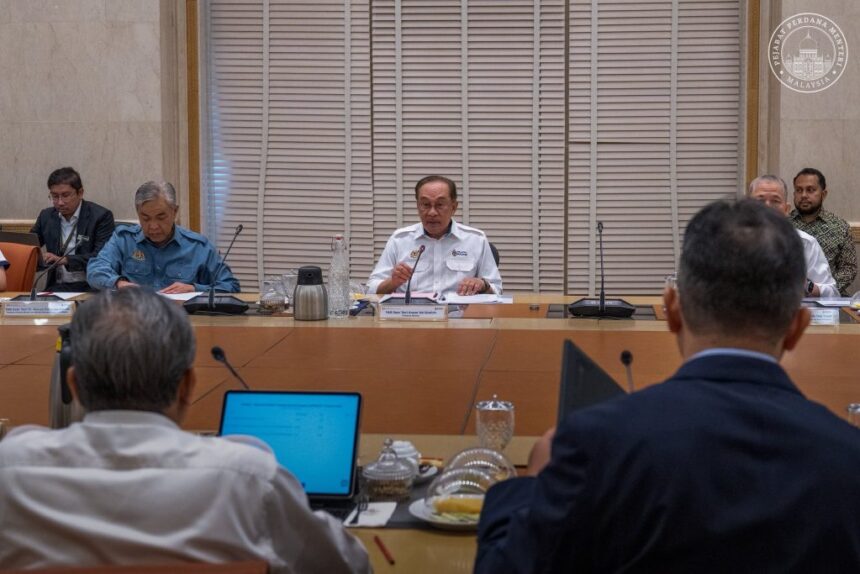
The government is committed to providing essential support through the Budi Agri-Commodity initiative, a strategic program designed to assist smallholders, local entrepreneurs, and vulnerable segments of the population as they navigate current economic difficulties. Prime Minister Datuk Seri Anwar Ibrahim emphasized that the Madani administration remains deeply attuned to the financial pressures facing citizens, particularly those stemming from fluctuating global market conditions and persistent supply chain vulnerabilities. During a critical meeting held by the National Economic Action Council, the leadership reviewed comprehensive reports from the Ministry of Health and the Ministry of Plantation and Commodities to determine how best to sustain these welfare programs.
By continuing the Budi Agri-Commodity framework, the government aims to fortify the economic backbone of the nation, ensuring that those who contribute most significantly to the agricultural sector receive the direct assistance necessary to thrive. This targeted approach is not merely a temporary measure but a long-term commitment to maintaining economic stability and public welfare. As global costs continue to rise, the administration has recognized the urgent need to protect the livelihoods of smallholders who might otherwise struggle to absorb these macroeconomic shocks.
By keeping the program at the forefront of national policy, the government seeks to foster a more resilient agricultural landscape where entrepreneurs can invest with confidence. This dedication to welfare ensures that the broader population is shielded from the most severe impacts of economic volatility, reinforcing a sense of security during these uncertain times and allowing the agricultural community to continue its vital work for the benefit of the nation.
Ensuring National Welfare And Resource Security
Beyond agricultural aid, the government is prioritizing the stability of essential resources such as medicine and fuel to safeguard the well-being of every citizen. The Ministry of Health has been tasked with the continuous monitoring of medical stock levels and pricing to prevent any shortages that could harm the public, while the administration remains focused on long-term welfare. Furthermore, the Budi Agri-Commodity initiative works in tandem with these broader efforts to create a safety net that covers diverse aspects of daily life.
The Prime Minister underscored that the needs of the people remain the highest priority of the current leadership, driving every decision made within the National Economic Action Council. As global prices for vital commodities, including Brent crude, remain elevated, the government is taking proactive steps to manage supply chain risks effectively. This holistic approach to resource management is essential for maintaining social harmony and economic productivity across all sectors, from the smallest rural farms to large-scale industrial operations.
By maintaining a stable supply of necessities, the government ensures that the progress made through various development programs is not undermined by external fluctuations or temporary market crises. The ongoing collaboration between various ministries is a testament to the integrated nature of this welfare strategy, where agriculture, health, and energy security are treated as interconnected pillars of national resilience. This comprehensive oversight is designed to protect vulnerable groups from the sudden price hikes and supply disruptions that characterize the current international economic landscape.
Navigating Global Energy Volatility And Market Risks
The national energy strategy has also been bolstered by assurances regarding fuel availability, providing further stability to the domestic market. Recent briefings have confirmed that major energy providers possess sufficient fuel supplies to support retail networks throughout the coming months, even as global prices remain high due to geopolitical tensions and market volatility. This stability in energy supply is critical for the success of agricultural activities, as it allows the Budi Agri-Commodity initiative to reach its intended recipients without being hampered by logistical failures or increased transportation costs.
As the country monitors the global energy crisis, the national oil and gas company continues to supply a significant portion of domestic fuel needs, serving as a reliable buffer against international price surges. The government’s ability to maintain these supplies is a key component of its broader effort to support the economy, proving that proactive management can indeed mitigate the effects of global uncertainty. By keeping the national retail network well-stocked and ensuring that fuel remains accessible, the administration allows smallholders and entrepreneurs to operate efficiently, thereby sustaining the momentum of the national recovery.
These efforts, combined with the direct support provided through various governmental programs, create a robust environment for continued development. The ongoing assessment of market risks ensures that the nation is well-prepared for any potential escalation in geopolitical conflict, with policies constantly updated to reflect the evolving global reality. Ultimately, this steadfast dedication to securing national resources allows the government to focus on its long-term goals, ensuring that even in the face of persistent external pressures, the welfare of the people remains protected.
Strategic Regional Economic Analysis And Outlook
From a fiscal policy perspective, the implementation of these targeted subsidies represents a critical intervention in sustaining domestic consumption, particularly within the rural economy where the multiplier effect of agricultural spending is significantly higher. By stabilizing the input costs for smallholders, the government is effectively insulating the local supply chain from global inflationary pressures, which is a necessary precondition for maintaining long-term industrial output. The Budi Agri-Commodity program acts as a counter-cyclical tool that prevents market volatility from cascading into systemic social instability, thereby preserving the purchasing power of the most vulnerable demographic cohorts while simultaneously supporting national food security targets.
Regionally, Malaysia is positioning itself as a resilient node within the ASEAN commodity trade network by prioritizing domestic supply chain integrity. As competitors in the region grapple with the dual challenges of rising import costs and declining export demand, the proactive management of energy and agricultural resources provides a competitive advantage that lowers the risk premium for domestic manufacturers. This strategy not only stabilizes the local trade balance but also enhances the attractiveness of the national market for foreign direct investment, as multinational corporations prioritize stable operational environments in an era of global supply chain fragmentation.
Looking forward, the long-term efficacy of these measures will depend on the continued ability of the state to manage fiscal deficits while maintaining the depth and reach of its support structures. Financial analysts should view these targeted interventions as a structural shift toward a more self-reliant economic model, where resilience is prioritized alongside growth. As the global economy adjusts to higher energy price floors, nations that successfully integrate social welfare with industrial productivity, through initiatives like the Budi Agri-Commodity strategy, will likely emerge as the primary beneficiaries of regional trade realignment and sustained market stability over the next decade.