Unlocking the Strategic Potential of the BUDI95 Data Ecosystem
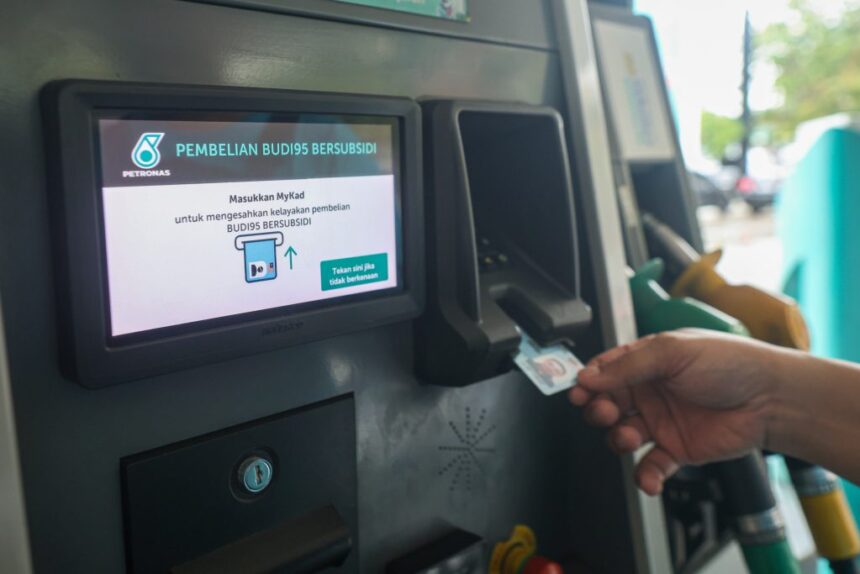
The launch of the BUDI MADANI RON95 initiative, popularly known as BUDI95, represents a significant leap forward in Malaysia’s journey toward becoming a data-driven nation. Beyond its primary function as a targeted petrol subsidy mechanism, experts believe this platform has the potential to evolve into a massive national-scale data management ecosystem that can inform various sectors of public policy. Dr. Mohamad Shukor Talib from Universiti Teknologi Malaysia highlights that the system acts as a strategic big data platform because it captures the economic behavior and demographic profiles of nearly 33.4 million residents. By managing such a vast repository of information, the government can gain unprecedented insights into transaction patterns, monthly consumption volumes, and user profiles that were previously difficult to track with such precision.
To maintain the integrity of the BUDI95 framework, the government must invest in large storage capacities and highly efficient algorithms that ensure both data accuracy and quick access for decision-makers. The security of this information is paramount to prevent manipulation or loss, which is why experts emphasize the need for robust encryption and anonymization techniques. As the system matures, the integration of these data points will allow for more sophisticated national planning that goes far beyond energy subsidies, potentially influencing healthcare, urban development, and social welfare programs. The success of this initiative depends on the ability to transform raw numbers into actionable intelligence that reflects the real-world needs of the Malaysian population.
Leveraging Machine Learning and Predictive Algorithms for Efficiency
The implementation of machine learning technology is set to redefine how the government interacts with the BUDI95 dataset, allowing for deep analysis of complex data patterns. Through the use of advanced algorithms, the ministry can now forecast future petrol consumption and categorize users into relevant groups based on their historical usage. These predictive models take into account a wide range of variables, including seasonal peak periods, festive seasons, and specific vehicle types, to create a highly nuanced consumption profile. For instance, the system can distinguish between low-frequency users and those who consistently approach or exceed their subsidy limits, enabling more precise fiscal interventions.
Naturally weaving the BUDI95 parameters into these algorithms ensures that the subsidy remains fair and reaches those who truly require assistance. This algorithmic approach also assists in identifying anomalies that might suggest fraudulent activity or system inefficiencies, allowing for real-time adjustments to the subsidy distribution. The ability to learn from historical patterns means that the system becomes more intelligent and accurate over time, reducing waste and ensuring that national resources are allocated with surgical precision. This technological layer transforms the subsidy from a static administrative task into a dynamic tool for economic management.
By understanding the ebb and flow of national fuel demand, the government can better manage its strategic reserves and negotiate international procurement contracts with greater confidence, ultimately stabilizing the domestic economy against global energy shocks. This transformation into a data-centric model allows the government to proactively address potential supply chain disruptions before they impact the broader consumer market.
Geospatial Integration and the Future of Logistics and Access
To further enhance the effectiveness of the subsidy, experts suggest integrating Geographic Information System technology with location-based analysis to map out the physical footprint of the BUDI95 program. Dr. Mohammad Zakri Tarmidi notes that geospatial data allows authorities to identify hotspots where a high concentration of eligible residents reside, ensuring that fuel logistics are optimized for both urban and rural settings. Without this location context, the information collected would essentially be blind data, lacking the necessary geographical nuance to support infrastructure development. By mapping out consumption patterns, the government can identify underserved white areas where access to petrol stations is limited, allowing them to provide targeted incentives for new station developments.
Furthermore, the integration of Internet of Things sensors with the BUDI95 database can help detect unusual usage trends in specific regions, providing an early warning system for logistics bottlenecks or localized supply shortages. This level of visualization improves the transparency of the decision-making process and fosters greater public trust in the government’s ability to manage natural resources. Malaysian citizens aged 16 and above with a valid license can currently access up to 300 liters of subsidized fuel monthly through the BUDI95 portal, making it a cornerstone of the national social safety net. As the system continues to incorporate geospatial insights, the delivery of these services will become increasingly seamless, ensuring that no citizen is left behind due to their geographical location.
This holistic approach to data management sets a new standard for how technology can be used to improve the lives of millions, providing a blueprint for other emerging economies in the region. The marriage of physical logistics with digital oversight creates a robust defense against market volatility and resource misappropriation.
Macroeconomic Displacement and Institutional Capital Allocation Analysis
The 2026 fiscal realignment surrounding Malaysia’s energy subsidies represents a critical inflection point in the Southeast Asian landscape, signaling a shift toward more sophisticated data-driven governance. We analyze that the formalization of the BUDI95 framework is not merely a social welfare adjustment but a foundational move to digitize the nation’s consumption DNA. From a professional financial perspective, the creation of a centralized database encompassing over 33 million profiles allows the government to mitigate the leakage that historically plagued blanket subsidy models. This systemic shift toward targeted fiscal support is being priced into the market as a significant improvement in national sovereign fiscal health, as it reduces the variable volatility of the budget relative to global Brent crude fluctuations.
Furthermore, we project that the integration of machine learning and geospatial analytics will act as a localized catalyst for a re-rating of the digital economy within the wider regional framework. For institutional investors, the government’s ability to map consumption hotspots and logistics bottlenecks provides a secondary data layer that could be utilized to optimize retail supply chains and infrastructure investments. This strategic positioning allows the state to leverage its digital assets to navigate the complexities of the global energy transition while maintaining domestic purchasing power. We conclude that as the legislative framework for data privacy and anonymization becomes more robust, the resulting increase in institutional transparency will likely enhance long-term attractiveness for foreign direct investment in burgeoning tech and energy sectors.
The long-term impact on the regional market will likely manifest as a structural decoupling of domestic inflation from international energy spikes, as the government gains the surgical precision required to protect the most vulnerable economic segments. This transition toward a more resilient, data-informed energy market reduces sovereign risk and provides a more stable environment for equity markets related to the consumer staples and transport sectors. As capital is reallocated from blanket subsidies toward high-tech infrastructure and data security, we expect a narrowing of the fiscal deficit and a strengthening of the currency. This proactive stance today sets a new regional standard for how emerging economies can transform a basic subsidy into a sophisticated engine for macroeconomic stability and digital growth.