Strategic Growth And Dominance In China Export Markets
The latest data from the Ministry of Agriculture and Environment indicates that Vietnam’s agricultural sector has started the year with immense momentum, particularly as China continues to serve as the primary destination for high value exports. During a recent press conference, officials revealed that total agro forestry and fisheries exports for January surged by nearly thirty percent compared to the previous year, reaching an impressive valuation exceeding six billion dollars.
The Chinese market alone accounted for nearly a quarter of this total turnover, contributing approximately one point five billion dollars and marking a significant year on year increase. This growth is largely driven by a massive demand for fresh produce, where specific fruits like durian, bananas, and dragon fruit have become staples in the northern trade routes. The sheer volume of these transactions highlights the deep economic integration between the two nations and the rising purchasing power of the middle class in major mainland hubs.
Furthermore, the diversification of the export portfolio ensures that while fresh produce leads the charge, other sectors like cashews and processed goods are also seeing a double digit rise in demand. This robust start to the year provides a strong foundation for the national economy, suggesting that the strategic focus on improving quality standards to meet international requirements is yielding substantial financial dividends for local farmers and exporters alike.
Commodity Reliance And Industrial Performance Metrics
A deeper dive into the specific commodities reveals a heavy reliance on the northern neighbor for several key industrial and food products that define the regional trade balance. For instance, China remains the destination for over ninety percent of all cassava and cassava based products, while also consuming nearly three quarters of the total rubber export value, which exceeded three hundred million dollars in the opening month of the year.
In the processed food segment, cashew shipments saw a dramatic rise of nearly fifty percent, reflecting a recovery in consumer demand across the region. The seafood sector has also benefited from this trend, with exports climbing by more than thirty percent and securing a spot among the top three global destinations alongside the United States and Japan. These figures represent more than just numbers; they indicate a structural shift in how regional supply chains are managed to ensure food security and industrial stability.
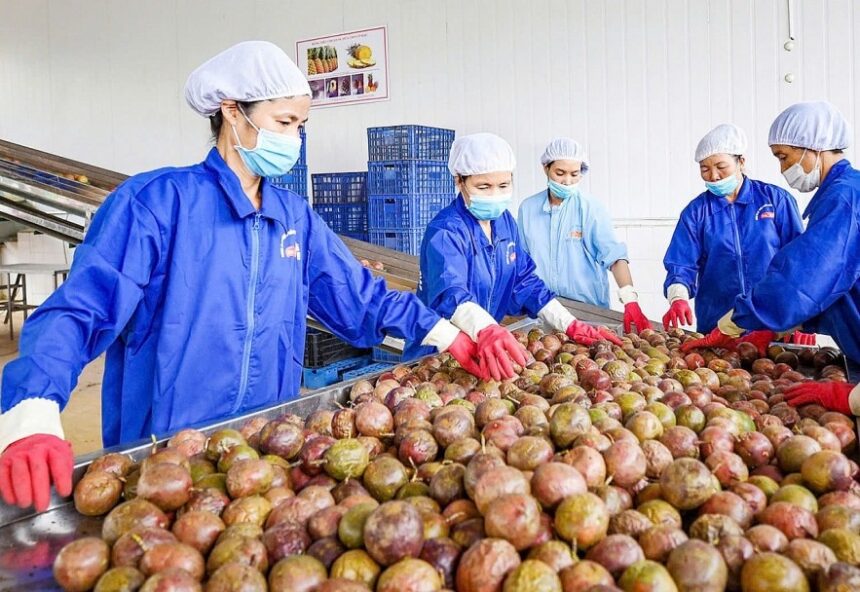
The growth in the fruit and vegetable sector was particularly staggering, with values doubling from the previous year to reach seven hundred million dollars. This performance was not isolated to a single market, as notable increases were also recorded in shipments to Malaysia and the United States, showing that while one market is dominant, the strategy of market diversification is simultaneously being pursued to mitigate long term risks and enhance global competitiveness.
Market Impact And Sovereign Resilience
From a professional financial analyst perspective, the concentrated growth in the agricultural export sector signals a strong recovery in regional trade dynamics and an improvement in the nation’s balance of payments. We interpret the heavy contribution of the Chinese market as a double edged sword that provides immediate liquidity and volume but requires careful strategic management to avoid overexposure to single market volatility.
The fact that agricultural exports have become the main driver of overall growth suggests that the primary sector is successfully moving up the value chain through better processing and compliance with sanitary standards. Historically, such a strong performance in January sets a positive precedent for the remainder of the fiscal year, likely leading to an upward revision of GDP growth forecasts by major financial institutions. We also note that the recovery in demand from Europe for cashews and the expansion into Southeast Asian markets like Malaysia provide a necessary buffer against potential trade disruptions.
The regional market impact of these soaring export figures is expected to strengthen the domestic currency and improve the credit profiles of major agribusinesses listed on the local exchanges. Furthermore, the doubling of fruit and vegetable export values suggests that investments in cold chain logistics and post harvest technology are finally reaching a scale where they can impact national level data. From a sovereign resilience standpoint, the ability to feed international markets while maintaining record domestic reserves enhances the country’s position in regional trade negotiations.
Our analysis suggests that if current growth rates in the processed segment continue, we will see a shift toward higher margin products which will further insulate the economy from the price fluctuations of raw commodities. Ultimately, the integration of high tech farming and optimized logistics routes to the north will remain a cornerstone of national economic stability through the 2030 horizon, provided that the authorities continue to facilitate open trade corridors and maintain rigorous quality control across all export categories.
In-Depth Regional Market Impact Analysis
The recent surge in agricultural exports to the northern neighbor signifies a fundamental shift in regional supply chain architecture, where Vietnam is transitioning from a seasonal provider to a year-round strategic partner. From a financial perspective, the ninety percent concentration in the cassava market and seventy percent in rubber indicate that domestic producers are effectively serving as the primary raw material source for the northern industrial base. This level of market penetration creates a symbiotic fiscal relationship that encourages cross-border infrastructure investment, such as improved rail links and specialized agricultural logistics hubs. We observe that the doubling of fruit and vegetable export values is not merely a volume increase but a valuation rerating driven by the successful implementation of high-quality farming protocols.
This trend has profound implications for the local banking sector and regional development, as the massive capital inflows from these exports enhance the liquidity of rural financial cooperatives and specialized agricultural lenders. As capital accumulates within the domestic agricultural circuit, we anticipate a secondary wave of investment into automated sorting facilities and advanced packaging technologies to meet the increasingly stringent aesthetic and safety standards of the destination market. The market impact extends to the currency markets, where the consistent trade surplus generated by the agro-forestry sector provides a natural hedge against external debt servicing obligations. This strengthen the central bank’s position in maintaining a stable exchange rate, which in turn fosters a more predictable environment for foreign direct investment in other industrial sectors.
Furthermore, the expansion of seafood and cashew exports into the United States and European markets serves as a critical diversification strategy that mitigates the risks of geopolitical friction or localized economic slowdowns. By maintaining a presence in these high-income markets, Vietnamese exporters can capture higher premiums for premium products, which supports the broader goal of moving toward a high-income economic status. We believe that the current trajectory of the agricultural sector will lead to a qualitative improvement in the national trade balance, reducing the country’s historical dependence on low-margin manufacturing. The resulting increase in rural household income will likely stimulate domestic consumption in secondary sectors such as consumer electronics and automotive, creating a robust internal growth cycle that complements the external export-led success.