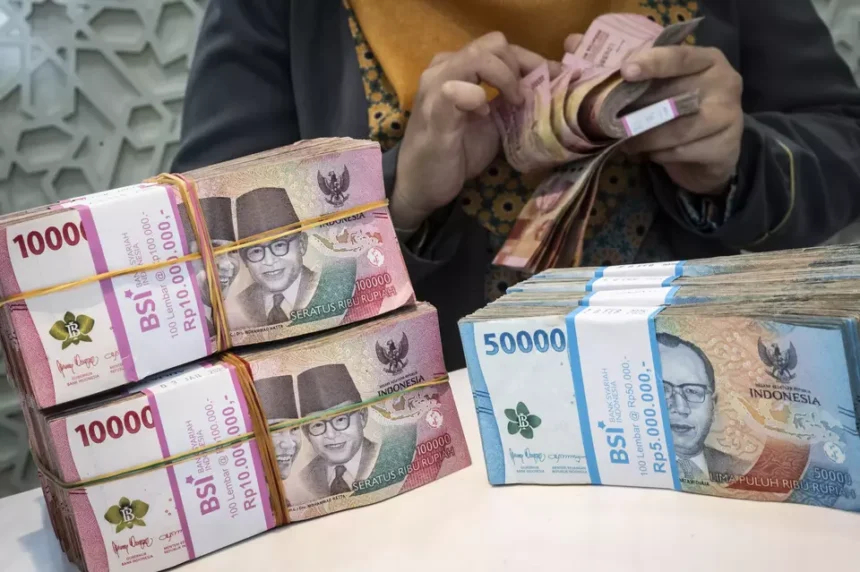
Regulatory Freeze On Dana Syariah Indonesia Bank Accounts
The financial landscape in Jakarta is currently focused on the significant freeze of bank accounts belonging to Dana Syariah Indonesia, as authorities intensify their probe into a massive debt default. Within the first sixty words of this report, it is clear that the platform is facing immense pressure from regulators to resolve obligations totaling roughly 1.4 trillion rupiah owed to thousands of individual creditors. This action, spearheaded by the Financial Transaction Reports and Analysis Center, serves as a protective measure to prevent further fund dissipation while the Financial Services Authority conducts a rigorous examination of the firm operational history.
Since the end of 2025, the company has been placed under special supervision, allowing for a deep dive into its transaction logs and regulatory compliance to ensure that all fiduciary duties were met during its years of operation. The investigation into the activities of Dana Syariah Indonesia is not limited to current balances but extends to a comprehensive inventory and tracing of all corporate assets to determine the actual capacity for repayment. Regulators are currently reviewing audited financial statements dating back to 2017 to identify any discrepancies or potential signs of fraud that may have led to this liquidity crisis.
Coordination with law enforcement agencies has been prioritized to address any alleged regulatory violations that surfaced during the mediation process, which has been ongoing since October of last year. While the management of the platform attempts to negotiate with lenders, the oversight body remains firm on the requirement for total transparency regarding how creditor funds were utilized. The mapping of assets is a critical step in assessing whether the platform can fulfill its promises to the 41,506 lenders who participated in its financing schemes over the years since its inception.
Impact Of Administrative Sanctions On Business Activities
The Financial Services Authority has already moved beyond simple observation by imposing a series of administrative sanctions on the platform, which include written warnings, substantial fines, and severe restrictions on its ongoing business activities. These measures are designed to halt any further financial risk while the comprehensive probe into Dana Syariah Indonesia continues to unfold in the public eye. According to the head of supervision for financing institutions, the authority to lift the current freeze on accounts resides entirely with the transaction reports center, meaning the platform remains in a state of operational paralysis during the investigation.
This regulatory stance highlights the shift toward more aggressive consumer protection in the peer to peer lending sector, where transparency and information access are now strictly enforced as mandatory requirements for all registered financial services providers. Despite the current legal turmoil, the historical data published by the company indicates that it had disbursed nearly 3.87 trillion rupiah in financing since its inception in 2017. This massive scale of operations involved a diverse pool of 1,440 borrowers, primarily in the sharia compliant property and construction sectors, making the default especially impactful for the regional economy.
The ongoing investigation aims to determine if the internal risk management systems of Dana Syariah Indonesia were bypassed or if external market factors played the primary role in the current default. As the transaction investigation proceeds with technical support from forensic accountants, the focus remains on whether the company maintained adequate capital reserves to support its extensive loan portfolio. The length of the account freeze remains uncertain, as it is contingent upon the completion of the asset tracing and the fulfillment of all regulatory requirements established by the governing bodies in coordination with law enforcement.
Macroeconomic Implications For Peer To Peer Lending Markets
From a professional financial and analytical perspective, the crisis surrounding Dana Syariah Indonesia marks a significant turning point for the alternative financing market in Southeast Asia. We observe that the default of 83 million dollars serves as a stark reminder of the credit risks inherent in high yield peer to peer platforms that lack the stringent capital adequacy requirements of traditional banking institutions. The decision by regulators to place the firm under special supervision and freeze its liquid assets is a necessary intervention to maintain broader market stability and prevent a loss of confidence in the sharia compliant financial ecosystem.
This case will likely lead to a tightening of licensing requirements and a more robust framework for audited financial disclosures across the entire fintech sector in Indonesia. The regional market impact of this default will likely result in a flight to quality, where individual lenders shift their capital away from independent platforms and toward those with stronger institutional backing or state level oversight. Furthermore, the extensive asset tracing and transaction probe will set a new precedent for how defaults are handled in the digital age, emphasizing the role of forensic technology in recovering creditor funds through legal channels.
Investors should monitor the outcome of this case as a lead indicator for the future of regulatory enforcement in the region, particularly concerning the protection of retail lenders. In the long term, while the immediate liquidity crisis is painful for the creditors involved, the resulting regulatory reforms will likely create a more resilient and transparent marketplace that can support sustainable economic growth. The transition from growth at all costs to a focus on sustainable risk management is expected to redefine the competitive landscape of the Indonesian fintech industry throughout the remainder of the decade as compliance costs rise.
Systemic Risk Contagion And Sharia Market Revaluation
The fallout from the Dana Syariah Indonesia default is expected to trigger a period of intensified systemic risk evaluation across the regional sharia fintech landscape. We anticipate a significant cooling in the property based crowdfunding segment as investors re assess the true value of underlying collateral in the event of platform insolvency. This event represents a critical stress test for the maqashid al shariah principles in digital finance, specifically the protection of wealth, as the industry must now prove that ethical financing models can remain resilient under severe credit pressure and market volatility.
Market data already suggests a widening yield spread between sharia compliant P2P platforms and traditional Islamic banking products, reflecting a higher risk premium demanded by retail participants. From a macroeconomic perspective, the paralysis of such a large platform could lead to a temporary credit crunch for small to mid scale property developers who have historically relied on these alternative funding channels. This shift necessitates a structural migration of these borrowers toward more institutionalized sharia financing, potentially accelerating the consolidation of the fragmented Indonesian fintech market into fewer, larger players.
Furthermore, the involvement of the Financial Transaction Reports and Analysis Center signals that the regulatory focus has shifted from mere administrative oversight to forensic financial integrity. This evolution is likely to result in a new wave of compliance costs for surviving platforms, which may lead to higher service fees for borrowers and lower net returns for lenders. In the broader regional context, the resolution of this debt crisis will be a benchmark for Southeast Asian regulators as they attempt to balance financial innovation with the uncompromising need for investor protection in an increasingly digitized economy that demands higher transparency.
Ultimately, the trajectory of this case will determine the viability of sharia compliant peer to peer models in the eyes of institutional capital. If the recovery of assets is successful and transparency is restored, the sector may emerge stronger with more realistic growth expectations. However, a failure to address the underlying defaults could lead to a permanent shift in how sharia investments are structured in the digital space. Analysts expect that by the end of 2026, the Indonesian fintech market will have undergone a fundamental transformation, prioritizing solvency and regulatory harmony over rapid user acquisition and high yield promises that are difficult to sustain.